Smart Sensor Toilet: Heated Seat + Dual-Flush Guide
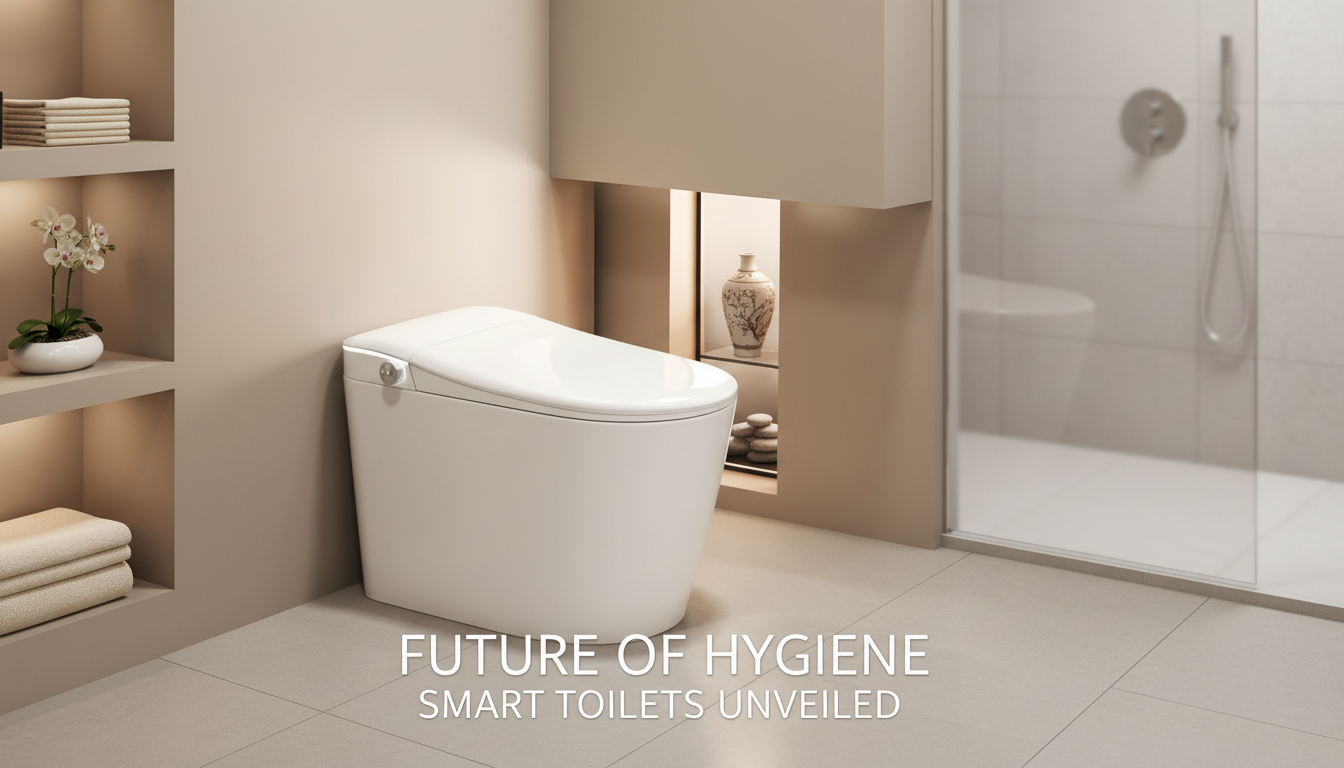
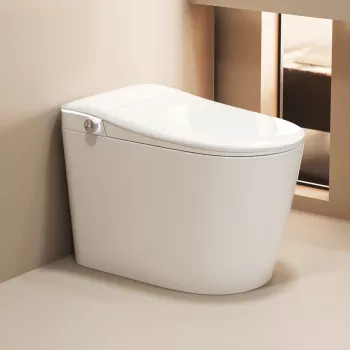
Smart Auto Sensor Flush Toilet with Heated Seat and Dual-Flush System
A smart toilet can turn an everyday bathroom upgrade into something noticeably more comfortable and efficient. With hands-free sensor flushing, a heated seat, and a dual-flush setup for water savings, this style of toilet is designed for cleaner operation, easier routines at night, and better control over water use—while still looking like a modern, streamlined fixture.
If you’re comparing premium bathroom fixtures, the Smart Auto Sensor Flush Toilet with Heated Seat and Dual-Flush System stands out for its blend of convenience and practical everyday benefits—especially in high-traffic homes or primary-bath renovations where comfort features matter.
What Makes This Toilet “Smart”
“Smart” can mean a lot of things in the bathroom, but the biggest day-to-day upgrade is how the toilet reduces touch points and streamlines routines.
- Automatic sensor flush: Helps reduce contact with handles/buttons, which can keep the area cleaner during daily use.
- Dual-flush system: Offers separate flush strengths so you can use less water for liquid waste and more for solid waste.
- Heated seat: Adds comfort in colder months or in bathrooms with cool floors and limited heating.
- Integrated, modern design: Many smart toilets conceal components for a cleaner profile and faster wipe-downs.
- Power requirements: Smart features usually need nearby power; planning outlet placement before install prevents messy cord routing later.
Comfort and Hygiene Features to Look For
Not all smart toilets behave the same. Small differences in sensor logic, controls, and backup options can make a big difference—especially for guests or kids.
- Heated seat controls: Confirm whether temperature is adjustable and whether there are multiple levels for different preferences.
- Sensor behavior: Some units flush on departure, others on approach, and some use a combo approach with a manual override—choose what feels most predictable.
- Manual backup: A reliable manual flush method (button/lever/backup procedure) is essential if power is temporarily unavailable.
- Noise considerations: Smart flushing can sound different from a standard gravity toilet; consider shared walls or bedrooms nearby.
- Night usability: Subtle lighting or easy-to-read controls can make nighttime trips less disruptive, especially in hall baths or ensuites.
For homes aiming for a cohesive, high-end look, pairing a modern fixture with a thoughtful color plan can elevate the whole room. If you’re refining finishes and paint choices, the Colorful Quiet Luxury Palettes Checklist can help guide selections that feel calm and intentional.
Dual-Flush: How It Helps Manage Water Use
Dual-flush toilets are built around a simple idea: match water use to the job. Over time, choosing a lighter flush for liquid waste can reduce total household consumption without sacrificing performance when a full flush is needed.
- Two flush modes: Helps manage water use by reserving higher volume for when it’s actually necessary.
- Check the flush volumes: Confirm gpf (gallons per flush) or Lpf (liters per flush) and whether they align with local requirements and personal expectations.
- Look for reliable clearing power: Efficiency shouldn’t mean repeat flushing; consistent evacuation and bowl wash matter.
- Consider how you choose the mode: Separate buttons, touch panels, or automatic logic can all work—what matters is that it’s intuitive for everyone who uses the bathroom.
For general efficiency guidance, it’s worth reviewing the EPA’s standards and recommendations at EPA WaterSense — Toilets. Local compliance and installation best practices may also reference organizations such as IAPMO and performance standards maintained by ASME.
Dual-Flush At-a-Glance Checklist
| Item to Confirm | Why It Matters | What to Look For |
|---|---|---|
| Light flush volume | Determines water savings potential for everyday use | Lower volume option clearly labeled and easy to trigger |
| Full flush performance | Reduces need for repeat flushing | Strong, consistent evacuation and good bowl wash |
| Mode selection method | Affects usability for guests and kids | Simple buttons or intuitive sensor logic |
| Local compliance | Avoids installation or inspection issues | Meets local plumbing code and efficiency requirements |
Installation and Bathroom Fit Planning
Smart toilets reward a little pre-planning. Before ordering, confirm measurements and placement so the upgrade feels seamless once installed.
- Measure the rough-in: Many bathrooms use a 12-inch rough-in, but not all do. Matching the rough-in to your drain location is non-negotiable.
- Confirm overall dimensions: Check clearance at the vanity, tub, and door swing so the space doesn’t feel tight.
- Power planning: Smart models often need a nearby GFCI outlet. Avoid extension cords and plan a clean cable route that stays dry and protected.
- Water supply placement: Verify shutoff valve location and whether adapters are needed for your current setup.
- Floor condition: A level, stable floor helps prevent rocking and protects the wax ring/seals from leaks later.
Everyday Use, Cleaning, and Maintenance
Once installed, smart toilets are typically easy to live with—provided you keep the sensors and surfaces in good shape.
Who This Upgrade Fits Best
Product Snapshot
View the product page here: Smart Auto Sensor Flush Toilet with Heated Seat and Dual-Flush System
FAQ
Does an auto sensor flush toilet still work if the power goes out?
Many smart toilets include a manual flush option or backup method, but it varies by model. Before installation, confirm where the manual override is located and how it works so a short outage doesn’t become a hassle.
How does the dual-flush system help save water?
Dual-flush systems provide a lower-volume flush for liquid waste and a full flush for solid waste, which can reduce total water use over time. Actual savings depend on how often each mode is used and the toilet’s specific flush volumes.
What should be measured before installing a smart toilet with a heated seat?
Measure the rough-in distance, overall toilet dimensions, and clearances around the bowl and tank area. Also confirm the water supply/shutoff location and proximity to a suitable GFCI outlet for the smart features.














Leave a comment