Lightweight Cordless HEPA Bagless Vacuum: Quick Clean Guide
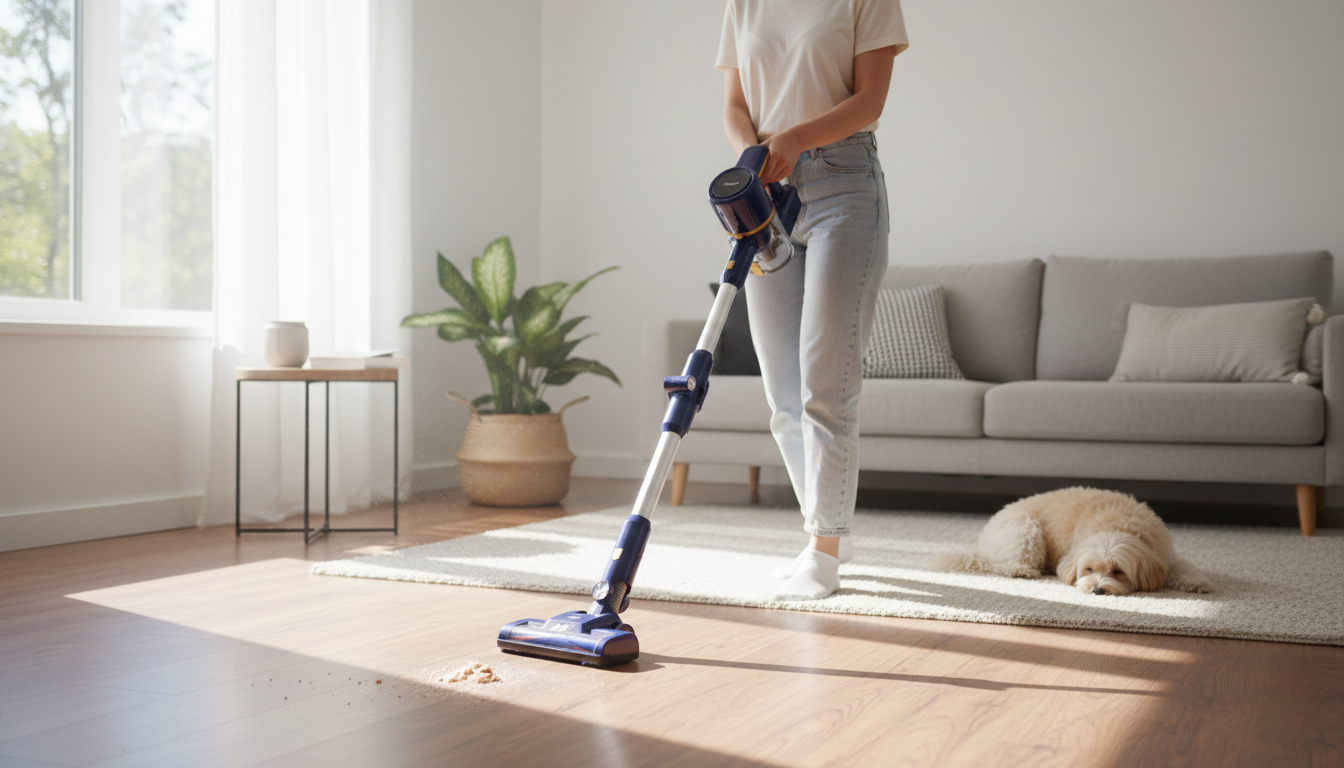
Cordless Vacuum Cleaner with HEPA Filter, Lightweight, Bagless Design: Everyday Cleaning Made Simple
A lightweight cordless vacuum with HEPA filtration and a bagless dust cup is built for quick pickups, small-space living, and homes that want cleaner air with less hassle. The most important differences come down to filtration (and sealing), realistic run time, how the vacuum feels in-hand, and how easy it is to keep clean. Below is a practical guide to help match this vacuum style to daily routines—whether that means crumbs after breakfast, pet hair on the couch, or fast passes over hard floors before guests arrive.
Who This Vacuum Style Fits Best
- Apartments, dorms, and smaller homes where fast, frequent cleanups matter more than deep-carpet marathon sessions
- Pet owners who want easier day-to-day hair pickup and fewer dusty bag changes
- Allergy-conscious households looking for a sealed filtration approach (HEPA-level capture depends on the overall system design)
- Anyone who prefers a lighter tool for stairs, shelves, car interiors, and quick floor passes
What HEPA Filtration Does (and What to Look For)
HEPA filters are designed to capture very small particles, which can be especially helpful for households sensitive to dust. However, filtration performance isn’t just about the filter media—it also depends on how well the vacuum body seals its airflow path. A strong filter paired with leaky seams can still allow fine particles to escape back into the room.
For allergy-aware cleaning, prioritize a washable or replaceable HEPA filter with clear maintenance instructions and easy access. Bagless designs are convenient because you can see when the cup is full, but emptying can release a dust plume if done quickly. Empty slowly, keep the opening close to the trash bag, and consider doing it outdoors if anyone in the household is sensitive.
For background on what “HEPA” means, the EPA’s explainer is a helpful reference: U.S. Environmental Protection Agency (EPA) — What is a HEPA filter?.
Filtration and Dust Handling Checklist
| Feature | Why it matters | What to confirm before buying |
|---|---|---|
| HEPA filter | Captures fine particles that can irritate allergies | Filter type, replaceable vs. washable, cost/availability of replacements |
| Multi-stage filtration | Reduces filter clogging and keeps suction steadier | Pre-filter or cyclone stage plus final filter |
| Bagless dust cup | No bags to purchase; quick emptying | Cup capacity, emptying mechanism, mess control |
| Sealed airflow paths | Helps prevent fine dust from leaking back out | Gaskets, tight-fitting canister, snug filter housing |
Lightweight Handling: What Makes Cleaning Feel Easier
“Lightweight” is more than a number on a spec sheet. A vacuum that’s well-balanced can feel easier than a lighter model that’s awkwardly top-heavy. A centered, stable feel reduces wrist strain—especially when cleaning above-floor areas like blinds, vents, shelf edges, and corners where dust settles.
- A balanced center of gravity helps keep the floor head planted without forcing your wrist to compensate.
- Swivel steering and a low-profile floor head make it easier to reach under sofas and beds with fewer angle changes.
- For stairs, weight matters, but so do grip points and secure wand/handle connections when lifting and repositioning.
- Quick conversion to handheld mode is a real time-saver for couches, pet beds, car seats, baseboards, and crumbs around table legs.
Cordless Performance: Battery, Run Time, and Real-World Use
Run time varies by power setting and tool choice. Higher suction modes are valuable for rugs and entryways, but they can shorten battery life noticeably. A practical routine is to use higher power in the spots that need it most, then switch back to normal for open hard floors to stretch the session.
- Use higher power for rugs, doormats, and tracked-in grit; use normal power for wide hard-floor areas.
- Choose a charging location you pass daily—near the kitchen, hallway, or mudroom—so the vacuum stays ready.
- Check whether the battery is built-in or removable and whether replacement batteries are available.
If your home benefits from broader indoor air quality improvements beyond vacuuming, the CDC provides a clear overview of ventilation strategies: CDC — Ventilation in Buildings.
Bagless Maintenance Without the Mess
Bagless convenience is real—but the best experience comes from staying ahead of overflow and keeping filters clean. The goal is steady airflow, fewer odors, and minimal dust release during emptying.
Simple Maintenance Schedule
| Task | Suggested frequency | Tip |
|---|---|---|
| Empty dust cup | After each session or when near full | Empty slowly into a bag to reduce dust plume |
| Clean pre-filter/HEPA (if washable) | Every 2–4 weeks (or per manual) | Dry completely before reuse |
| Check brush/roller for tangles | Weekly in pet homes | Cut away hair carefully; avoid damaging bristles |
| Wipe seals and bin rim | Monthly | Keeps fit tight and helps reduce dust leaks |
Where It Performs Best: Floors, Rugs, Furniture, and Cars
Product Snapshot
In-Stock Picks
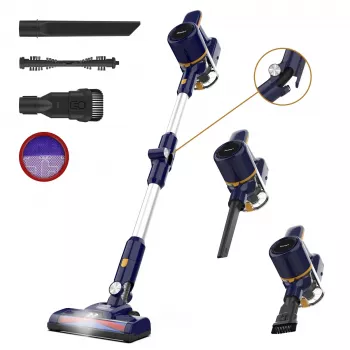
- Cordless Vacuum Cleaner with HEPA Filter, Lightweight, Bagless Design
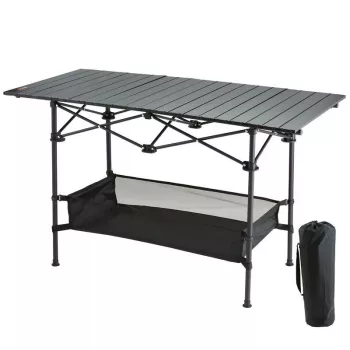
- Portable Folding Camping Table
- The Smart Traveler’s Guide to Global Etiquette | Digital Download eBook for Cultural Tips, Travel Etiquette, and International Manners
FAQ
Does a HEPA filter help with allergies in a cordless vacuum?
It can, because HEPA filtration is designed to capture fine particles, but results also depend on how well the vacuum seals its airflow and how consistently the filter is maintained. To reduce exposure, empty the dust cup slowly and, if you’re sensitive, do it outdoors or directly into a tightly held trash bag.
How often should the HEPA filter be cleaned or replaced?
Washable filters are often cleaned every few weeks, while replaceable filters should be changed on the manufacturer’s schedule. Always follow the manual, and make sure any washed filter is completely dry before reinstalling.
Are bagless vacuums messier to empty?
They can be if the dust cup is overfilled or emptied too quickly. Empty before the max line, keep the cup opening close to a trash bag, and wipe the bin rim and seals occasionally to help prevent dusty leaks.












Leave a comment