3-Speed Record Player: Speakers, Headphones & AT Stylus
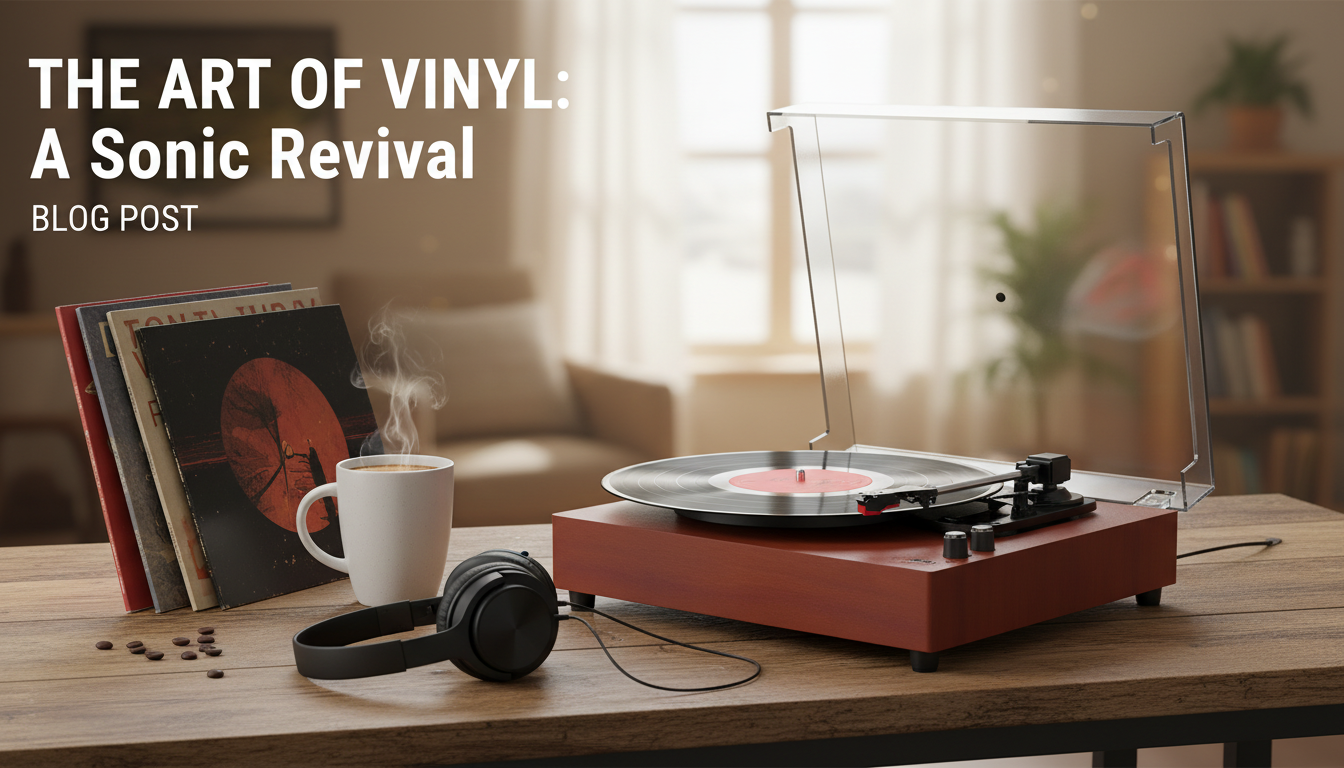
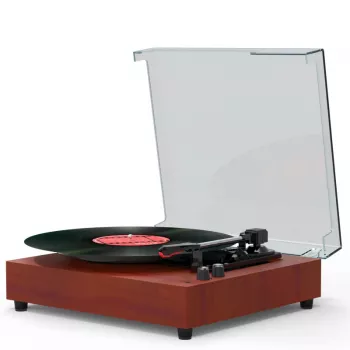
3-Speed Vinyl Record Player with Built-in Speakers, Headphone Jack, and Audio-Technica Stylus
A compact turntable that plays 33⅓, 45, and 78 RPM records can fit easily into everyday listening—whether the goal is a simple all-in-one setup or a quiet late-night session through headphones. This guide explains what to expect from a 3-speed record player with built-in speakers, a headphone jack, and an Audio-Technica stylus, along with practical tips for setup, care, and getting the best sound from a small system.
What This Turntable Setup Is Designed For
- Convenient playback for mixed collections: albums (33⅓), singles (45), and older discs (78) when supported by the cartridge/stylus configuration.
- All-in-one listening without an external receiver: built-in speakers make it easy to start playing quickly in bedrooms, dorms, offices, or small living spaces.
- Private listening options: a headphone jack allows quiet sessions without running audio through a full stereo.
- Beginner-friendly operation: simple controls, minimal wiring, and a stylus from a widely recognized audio brand.
- A practical “first turntable” choice: ideal for casual listening, gifting, or adding vinyl playback to a smaller room.
If you’re shopping for a ready-to-go option, the 3-Speed Vinyl Record Player with Built-in Speakers, Headphone Jack, and Audio-Technica Stylus is built around exactly this kind of simple, space-friendly experience.
Core Features to Look For in a 3-Speed Player
- Three-speed switching: confirm how speed selection works (switch, knob, or buttons) and that the labels are clear and easy to read.
- Built-in speakers: best for convenience; placement matters more than most people expect, especially in small rooms.
- Headphone jack output: helpful for late-night listening; check for a comfortable volume range and clean output without obvious hiss at normal levels.
- Audio-Technica stylus: a reputable stylus can help with cleaner tracking and reduce the chance of mistracking when used correctly.
- Tonearm handling basics: gentle cueing, a secure rest/lock, and consistent tracking help reduce skipping and record wear.
- Power and connectivity: some models are fully self-contained; others also offer a line-out for external speakers (model-dependent).
Quick Compatibility Checklist
| Item | What to confirm | Why it matters |
|---|---|---|
| Records | 33⅓ / 45 / 78 RPM support | Ensures the player matches the formats in the collection |
| 45 adapter | Included or easy to source | Needed for many 7-inch singles |
| Headphones | 3.5 mm or 6.35 mm jack type (and adapter if needed) | Avoids fit issues and unexpected volume changes |
| Placement | Stable, level surface | Reduces skipping and feedback |
| Stylus replacement | Replacement stylus availability | Simplifies upkeep and protects records |
Sound Expectations: Built-in Speakers vs. Headphones
- Built-in speakers prioritize convenience: they’re made for close-range listening and typically sound best at moderate volumes in smaller spaces.
- Headphones often reveal more detail: they bypass room acoustics and can make vocals, cymbals, and guitar textures easier to pick out.
- Closed-back headphones can help: they improve isolation and may boost perceived bass, especially if the room is noisy.
- External speakers can be a big leap: if your model includes a line-out, powered speakers usually deliver clearer stereo width and more controlled low end.
- Vibration control matters: a sturdy, level surface reduces skipping and helps the stylus track consistently.
- Record condition is huge: clean records typically sound clearer and reduce crackle and distortion.
For small rooms where furniture space is tight, a stable secondary surface can be useful. A compact option like the Portable Folding Camping Table can work as a dedicated spot for a lightweight setup, as long as it’s level and doesn’t wobble when you walk nearby.
Setup in 10 Minutes: Practical Steps
- Unbox and inspect: confirm the platter is seated correctly and the tonearm is secured until you’re ready to play.
- Place on a level surface: even a slight tilt can affect tracking; a small bubble level helps if you have one.
- Install any included adapter: keep the 45 RPM adapter nearby for 7-inch singles.
- Connect power and test controls: verify speed selection, start/stop behavior, and volume operation before placing a record.
- First play: start with a clean, less-precious record to confirm tracking and reduce anxiety during initial testing.
- Headphone check: start at low volume and increase gradually to avoid sudden loud output.
- After playback: return the tonearm to its rest and secure it to prevent accidents.
Stylus and Record Care for Longer Life
For deeper care guidance, Audio-Technica’s support resources are a helpful reference for turntable handling and maintenance: https://www.audio-technica.com/en-us/support. For broader preservation best practices, the Library of Congress also shares practical storage and handling tips: https://www.loc.gov/preservation/care/record.html.
When This Type of Player Is a Great Fit (and When to Upgrade)
FAQ
Can a 3-speed record player play 78 RPM records safely?
Speed support alone isn’t enough for safe 78 playback. Many 78s (often shellac) need a dedicated 78 stylus, and using the wrong stylus can increase wear on both the record and the tip—so it’s important to confirm cartridge/stylus compatibility before playing.
Will headphones sound better than the built-in speakers?
Headphones often sound clearer because they avoid room acoustics and let you hear finer details at lower volumes. Built-in speakers are mainly for convenience, so starting at low volume and using comfortable, efficient headphones usually gives the best experience.
How often should the stylus be replaced?
Replacement intervals vary by stylus type and listening habits, but many users replace a stylus after several hundred hours of play. If you notice persistent distortion, increased sibilance, or frequent mistracking on clean records, it’s a strong sign the stylus may be worn.














Leave a comment