Dual-Zone Car Fridge: Adjustable Cooling for Travel
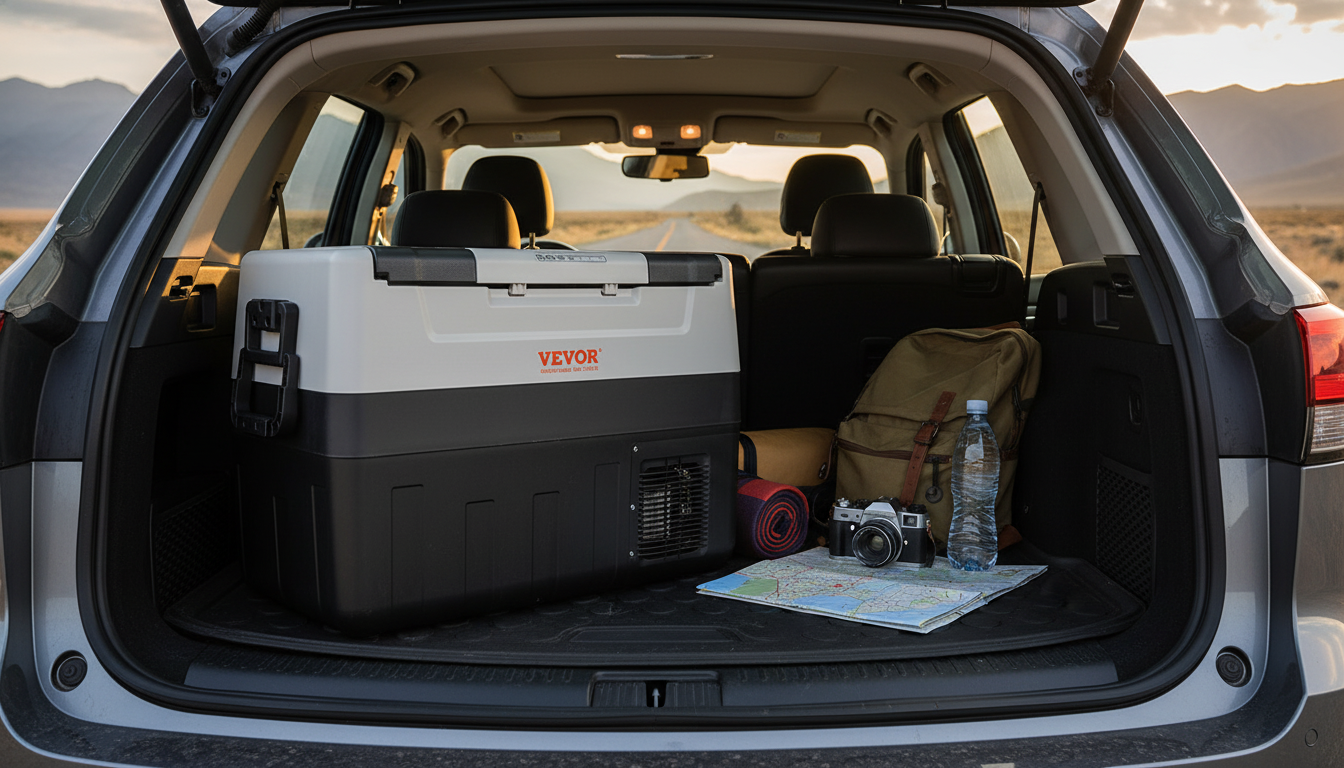
Portable Dual Zone Car Refrigerator with Adjustable Temperature Control: Cold Drinks and Frozen Food Anywhere
A dual-zone car refrigerator makes it possible to keep drinks icy cold while freezing or chilling food in a separate compartment—especially helpful for road trips, camping, overlanding, tailgates, and long workdays on the move. With adjustable temperature control, each load can be tuned for the season, the menu, and the power setup you’re using, so you’re not stuck with “one temp fits all” compromises.
What a Dual-Zone Car Refrigerator Does (and Why It Matters)
A dual-zone unit splits storage into two independently managed compartments. That separation matters when the trip calls for both everyday drinks and food that needs tighter temperature control.
- Separates storage into two zones so beverages can stay cold while frozen items stay properly frozen.
- Helps keep perishables at safer temperatures during long drives, stopovers, and hot-weather travel.
- Reduces reliance on ice—less meltwater, fewer soggy labels, and no mid-trip ice runs.
- Supports smarter trip planning: one side for daily-access snacks and drinks, the other for longer-term frozen supplies.
Food safety is about time and temperature. If you’re traveling with meat, dairy, or leftovers, consistent cooling can reduce risk compared with fluctuating cooler temps. For general guidance on refrigeration and safe handling, see the USDA Food Safety and Inspection Service.
Key Benefits of Adjustable Temperature Control
Adjustable temperature control is the difference between “cold enough” and “dialed in.” It lets you match cooling to what you’re carrying instead of overworking the system or accidentally freezing the wrong items.
- Fine-tunes cooling based on the load (produce vs. dairy vs. frozen meals).
- Adapts to ambient conditions: improves efficiency in mild weather and holds performance in heat.
- Helps prevent accidental freezing of drinks or delicate foods by setting a higher target temperature.
- Improves power management by avoiding unnecessary deep cooling when only light chilling is needed.
For extra confidence, a simple thermometer can help verify actual compartment temps—especially when you’re opening the lid often. The FDA’s refrigerator thermometer guidance is a useful reference for monitoring cold storage.
How to Set Temperatures for Common Travel Loads
Great results come from realistic targets and good habits—pre-chilling, organizing, and limiting warm air exchanges. A freezer-level setting is ideal for meats and ice cream, while drinks and fresh foods usually do better with a moderate chill that won’t freeze them solid.
- Use a colder setting for meats, ice cream, and frozen meal prep; use a moderate chill for drinks and fresh foods.
- Pre-cool items at home when possible; warm loads take more time and power to pull down.
- Avoid frequent lid openings; keep “grab often” items in the easier-access zone.
- Leave airflow space so cold air circulates evenly and temps stay consistent.
Practical Temperature Targets by Food Type
| Use case | Suggested target (approx.) | Notes for better performance |
|---|---|---|
| Beverages and snacks | 34–41°F (1–5°C) | Keep cans/bottles together; pre-chill to reduce cooldown time |
| Fresh foods (dairy, deli, produce) | 32–38°F (0–3°C) | Use bins or dividers; avoid pressing items against vents |
| Short-term freezing (frozen meals) | 0 to -4°F (-18 to -20°C) | Allow extra time to pull down; open less frequently |
| Ice cream / hard freeze needs | -4°F (-20°C) or lower | Best for stable power setups; minimize warm restocks |
Power and Placement: Getting Reliable Cooling in a Vehicle
Even a strong cooling system can struggle if it’s trapped in a hot, unventilated spot or constantly fighting voltage drops. A little planning goes a long way toward stable temps and less battery stress.
- Choose a stable, ventilated location so heat can dissipate from the unit (avoid packing it tightly between soft bags).
- Route cables where they won’t get pinched by seat rails or hatch hinges; keep connectors secure over bumps.
- Plan for parked time: estimate how long it must run and what your vehicle battery can realistically support.
- For extended stationary use, consider a portable power station or auxiliary battery setup for more predictable runtime.
If you’re building a travel power plan, broader context on vehicle electrification and energy use can be found at the National Renewable Energy Laboratory (NREL).
Dual-Zone Packing Strategy for Road Trips and Camping
For a more organized camp kitchen, pair your cold storage with a dedicated prep surface like the Portable Folding Camping Table, keeping food handling and gear setup cleaner and faster.
Care, Cleaning, and Long-Term Reliability
Featured Option: Portable Dual Zone Car Refrigerator with Adjustable Temperature Control
If the goal is dependable cold drinks plus true freezing capability while traveling, the Portable Dual Zone Car Refrigerator with Adjustable Temperature Control is built around that two-compartment approach. Dual zones make it easier to keep a “daily access” side at a safe, drink-friendly chill while dedicating the second compartment to frozen proteins, meal prep, or ice-cream-level temps when your power setup supports it.
FAQ
Can both compartments be set to different temperatures at the same time?
Yes—dual-zone models are designed so each compartment can be managed separately. Real-world performance still depends on outside heat, how full the compartments are, and how often the lids are opened.
How long does it take to cool down after loading warm groceries?
It varies with the starting temperature of the food, the ambient heat in the vehicle, and how packed the compartments are. Pre-chilling at home and loading in batches helps the unit pull down faster and use less power.
Is it safe to run a car refrigerator overnight?
It can be safe if you plan power correctly, but relying only on a vehicle starter battery can risk a no-start in the morning. Using low-voltage protection (if available) and/or a dedicated power station or auxiliary battery is a more reliable overnight approach.














Leave a comment