Press Flowers Into Clay: Crisp Ceramic Botanical Imprints
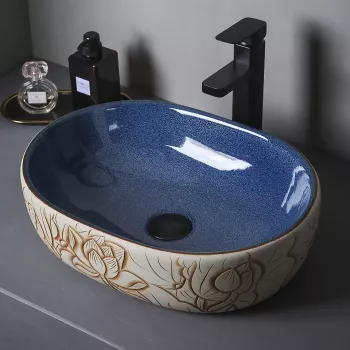
How to press flowers into ceramics?
Pressing flowers into ceramics is a simple way to add delicate, one-of-a-kind botanical detail to functional pieces like trinket dishes, coasters, tiles, and ornaments. The most reliable approach is to press the flowers into leather-hard clay, then carefully refine the impression and protect the final design with a compatible glaze.
Step-by-step: pressing flowers into clay
1) Pick the right flowers and timing
Choose flowers or leaves with flatter profiles (violets, pansies, cosmos, ferns). Avoid thick, juicy blooms that can tear or leave ragged marks. Press them when your clay is leather-hard: firm enough to hold shape, soft enough to take a clean impression.
2) Prep the clay surface
Roll or slab-build your piece, then smooth the surface with a rib or soft sponge. If the surface is dusty-dry, lightly mist it and wait a minute so it’s receptive but not sticky.
3) Press the botanicals
Lay the flower face-down where you want the impression. Place a sheet of thin paper or plastic wrap over it to prevent snagging, then press evenly with your fingertips or a small roller. Aim for one firm, controlled press rather than repeated pushes that blur details.
4) Lift and clean up the impression
Peel the flower away slowly. If petals cling, use tweezers and a needle tool to remove bits. Refine edges with a damp brush, and compress the surrounding clay lightly to reduce cracking during drying.
5) Dry, bisque, and glaze thoughtfully
Dry slowly and evenly to minimize warping, especially on thin slabs. After bisque firing, use underglaze, oxides, or a wash to highlight texture, then wipe back the surface so pigment stays in the recesses. Finish with a clear glaze suited to your clay body and firing temperature.
For additional tips on timing, tools, and finishing options, see the full guide here: https://supremefindsworld.shop/how-to-press-flowers-into-ceramics/.
FAQ
Can you use real dried flowers in ceramic pieces?
Real dried flowers won’t survive firing; they burn out and can cause defects. Use them only to create impressions, then add color later with underglaze, stain, or glaze techniques.












Leave a comment