Are Arched Walls in Style? Trends, Tips & Timeless Ideas

Are arched walls in style?
Yes—arched walls are very much in style, and they’ve moved from being a “statement feature” to a versatile design element that works across modern, traditional, and transitional homes. The appeal is simple: arches soften hard angles, add a sense of craftsmanship, and create a subtle architectural focal point without needing bold colors or busy patterns.
Why arches are trending again
Arched openings and curved wall details echo classic Mediterranean, Art Deco, and European architecture, but today they’re often paired with clean lines and minimal finishes. This mix of old-world shape and contemporary styling helps spaces feel warmer and more intentional. Arches also photograph beautifully—curves create depth and shadows that make rooms look layered rather than flat.
Where arched walls work best
Arches can be large (doorways, pass-throughs, niches) or subtle (arched paneling, built-in alcoves, curved plaster transitions). They’re especially effective in:
- Entryways: An arched opening instantly signals a welcoming, elevated space.
- Living rooms: Arched niches or a curved feature wall add character without overwhelming the furniture layout.
- Bedrooms: A softly curved wall detail behind the bed can replace an oversized headboard or heavy accent wall.
- Hallways: Repeating arches create rhythm and make long corridors feel more designed.
How to style arched architecture without remodeling
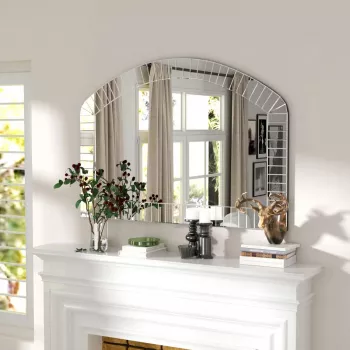
If adding an arch isn’t possible, you can still capture the look with decor that mirrors the shape. An arched mirror is one of the easiest ways to reinforce curved architecture, brighten a room, and visually elongate walls. For a practical example—especially for living rooms and bedrooms—see this guide to a 40×28 arched wall mirror: https://supremefindsworld.shop/guide-40×28-arched-wall-mirror-living-room-bedroom/.
Do arched walls feel timeless or trendy?
Arches can be timeless when they’re integrated thoughtfully and kept simple. Neutral finishes, balanced proportions, and classic materials (plaster, wood trim, stone) help arches age well. If the goal is longevity, avoid overly ornate shapes and let the curve be the quiet design detail that ties the room together.
FAQ
How do you decorate a room with lots of arches?
Repeat the curve in smaller accents—arched mirrors, rounded lighting, or curved furniture—then keep other lines clean so the room doesn’t feel overly themed. Using consistent finishes and a restrained color palette helps the architecture stand out naturally.









Leave a comment