Decorating Rooms With Curved Walls: Layout, Light & More
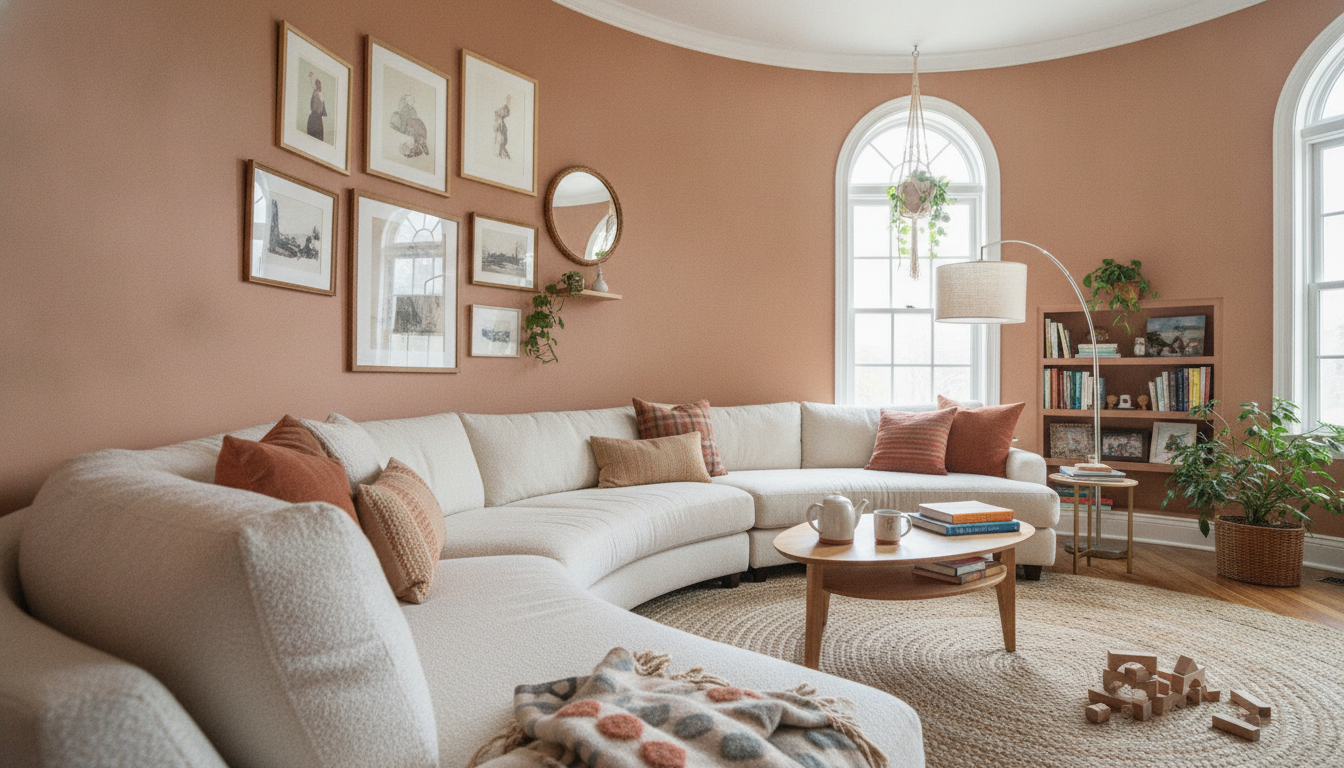
How to decorate a room with curved walls?
Curved walls bring instant architectural charm, but they can also make a room feel tricky to lay out. The goal is to work with the curve instead of fighting it—using flexible furniture placement, intentional lighting, and a few well-chosen statement pieces that echo the shape.
Start by mapping the curve and choosing a focal point
Stand in the doorway and decide what the room should highlight: a seating area, a bed, or a reading corner. Curved walls naturally draw the eye, so pick one “anchor” spot—like a sofa, console, or headboard—then build outward with smaller pieces that don’t demand perfect right angles.
Use mirrors to amplify light and soften transitions
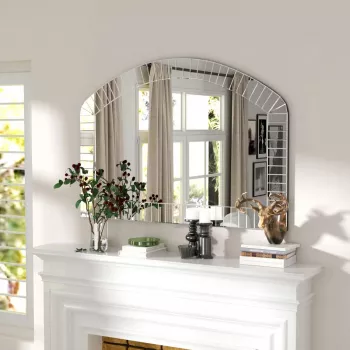
A large mirror is one of the easiest ways to make a curved wall feel intentional. It bounces light, adds depth, and visually smooths the arc—especially when the mirror’s shape complements the room. An arched option can look particularly seamless against a curve. For a practical styling example, see this guide to a 40×28 arched wall mirror: https://supremefindsworld.shop/guide-40×28-arched-wall-mirror-living-room-bedroom/.
Choose furniture that tolerates imperfect angles
Instead of forcing a long, boxy cabinet to sit flush, lean into pieces that look good with breathing room: round side tables, pedestal stands, armless accent chairs, and modular seating. If you need storage, consider a narrow console floated slightly off the wall, styled with lamps and decor to make the gap feel deliberate.
Layer lighting to avoid harsh shadows
Curves can create pockets of shadow. Mix lighting types: a floor lamp to graze the wall, a table lamp for warmth, and a ceiling fixture for general brightness. Position lights so they wash across the curve, which emphasizes the architecture instead of making it look uneven.
Style the wall with flexible, curved-friendly decor
Gallery walls can work, but keep them airy: fewer, larger frames spaced evenly rather than a dense grid. Other curved-wall wins include sconces, a tall plant, a sculptural vase, or a single oversized art piece that doesn’t rely on perfect alignment.
FAQ
What type of mirror looks best in a room with lots of curves?
Arched and rounded mirrors usually feel the most natural because they echo the room’s lines. A large mirror also helps reflect light and makes curved spaces feel more open.









Leave a comment