100W Foldable Solar Panel: Fast Charging for Power Stations
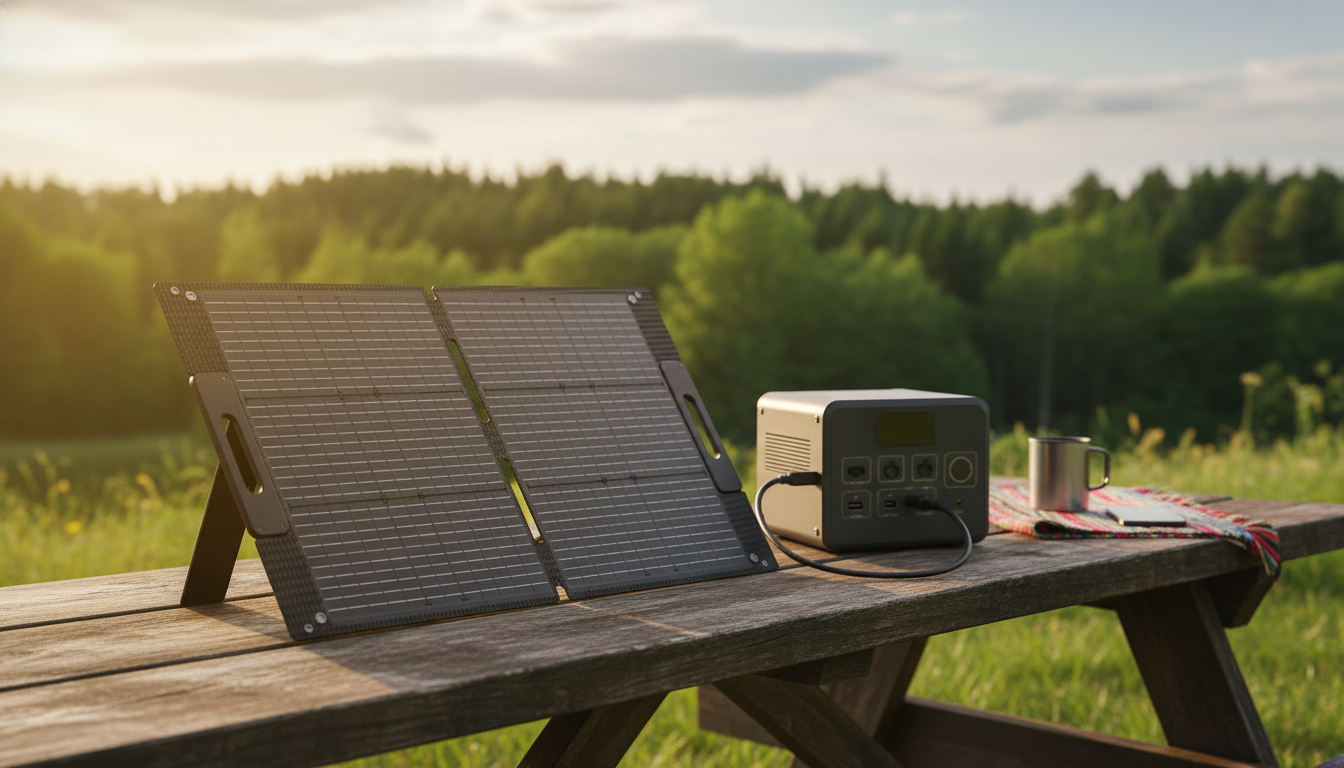
100W Foldable Solar Panel for Portable Power Stations: Practical Off‑Grid Charging at Camp, Home, and On the Road
A foldable solar panel can keep a portable power station topped up when outlets aren’t available. A 100W foldable panel is a popular middle ground: small enough to pack for camp or keep in a trunk, but powerful enough to make a noticeable difference during daylight. Below is what it can realistically handle, what affects charging speed, how to set it up for steadier output, and what to confirm so your panel and power station work smoothly together.
What a 100W Foldable Solar Panel Is Best For
A 100W foldable panel shines in situations where portability matters and you want dependable “daytime refills” rather than expecting a full battery reset in a short window.
- Day trips, camping weekends, tailgates, and backup charging when the grid is down
- Topping up a power station during daylight rather than fully refilling from empty in a single short session
- Supporting low-to-moderate loads such as phones, tablets, camera batteries, lights, routers, and small fans
- Pairing with a power station to run AC or DC devices intermittently while solar replenishes the battery
For longer stays, a 100W panel is often best as part of a plan: charge hard in peak sun, then run loads in the evening from the stored battery.
Realistic Charging Expectations: Sun, Angle, and Losses
“100W” is a lab-style rating at ideal conditions. Real-world output commonly lands lower due to temperature, sun angle, haze, and losses in cables or charging electronics. Solar basics from the National Renewable Energy Laboratory (NREL) and the U.S. Department of Energy explain why output varies through the day and across seasons.
- A “100W” panel is a rated peak value; real output commonly lands lower due to temperature, sun angle, haze, and cable/controller losses
- Midday summer sun with good alignment typically produces the best results; mornings, late afternoons, and winter days reduce output
- Heat reduces solar efficiency; a panel in direct sun can run hot, so leaving airflow behind the panel helps
- Shading even a small portion of the panel can drop output significantly—keep it fully unshaded
- Longer or thinner cables add voltage drop; keep cable runs practical and use appropriate gauge where possible
Typical Output Ranges for a 100W Foldable Panel (Rule of Thumb)
| Conditions | Likely Output Range | What It Means for a Power Station |
|---|---|---|
| Overcast / poor angle | 10–30W | Slow top-ups; best for small devices or maintaining charge |
| Bright sun / decent alignment | 40–75W | Useful daily replenishment and steady charging |
| Clear sun / optimal alignment | 70–100W (peaks) | Fastest charge window; reposition periodically |
Weather plays a big role. If you’re planning around a stormy weekend or wildfire haze, checking local conditions (and cloud cover trends) from resources like NOAA can help set realistic expectations.
Compatibility Checklist with Portable Power Stations
Before buying or plugging in, confirm that your portable power station can accept the panel’s output safely and efficiently.
- Input type: confirm whether the power station accepts DC solar input via a barrel connector, Anderson-style connector, or another port type
- Voltage range: ensure the panel’s operating voltage falls within the power station’s supported solar input voltage window
- Current limits: power stations cap input current; a higher-current panel may be limited by the station rather than the panel
- Controller/MPPT: many portable power stations include built-in MPPT, so the panel typically connects directly (no separate charge controller needed unless specified)
- Polarity and adapters: use correct polarity and approved adapter cables to avoid damage or no-charge conditions
- Series/parallel expansion: if adding panels later, confirm whether the station supports higher voltage (series) or higher current (parallel) configurations
Setup Tips for Better Daily Energy Harvest
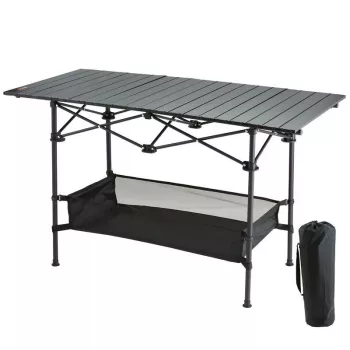
For campsite convenience, a stable, elevated surface helps with both angle and airflow. A Portable Folding Camping Table can double as a clean staging spot for cables, adapters, and the power station while the panel sits in the sun nearby.
What Can a 100W Solar Panel Power?
Everyday Use Examples (Assumes Solar Charges a Power Station)
| Device/Task | Typical Power Draw | Practical Notes |
|---|---|---|
| Smartphone charging | 5–15W | Easy daily replenishment; best done during peak sun |
| Laptop charging | 45–100W | Works well with strong sun; may dip if clouds pass |
| LED lighting | 3–15W | Excellent match for evening use after daytime charging |
| Small fan | 10–30W | Sustainable for long sessions with steady sunlight |
| Wi‑Fi router | 8–20W | Good for short outages with solar top-ups |
Portability and Durability: What to Look For in a Foldable Panel
Using It Safely with a Power Station
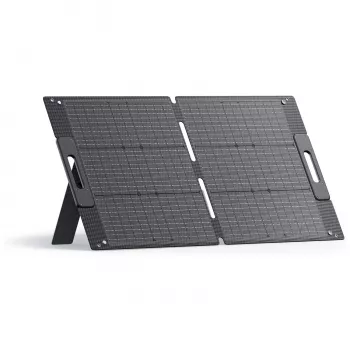
Product Spotlight: 100W Foldable Solar Panel for Portable Power Stations
100W Foldable Solar Panel for Portable Power Stations
Quick Buying Snapshot
| Item | Details |
|---|---|
| Product | 100W Foldable Solar Panel for Portable Power Stations |
| Availability | In stock |
| Price | $279.82 USD |
| Best for | Portable power station charging for camping, travel, and backup power |
FAQ
How long does a 100W foldable solar panel take to charge a portable power station?
Charge time depends on the battery’s capacity (Wh), real-world solar watts, and the power station’s input limits. A simple rule of thumb is: time ≈ battery Wh ÷ actual watts from the panel, then add a bit for conversion losses and changing sunlight.
Can a 100W solar panel run a portable power station while devices are plugged in?
Yes—solar can reduce the net battery drain or even charge the battery while you power devices. If your device load exceeds the solar input at that moment, the battery will still drain, and pass-through behavior varies by power station model.
Do portable power stations need a separate solar charge controller?
Most portable power stations have built-in solar charging control (often MPPT), so the panel connects directly to the station’s solar input. Always confirm the supported voltage range and connector type in the power station manual before connecting.














Leave a comment