2–3 Person Far Infrared Wooden Sauna: Home Setup Guide
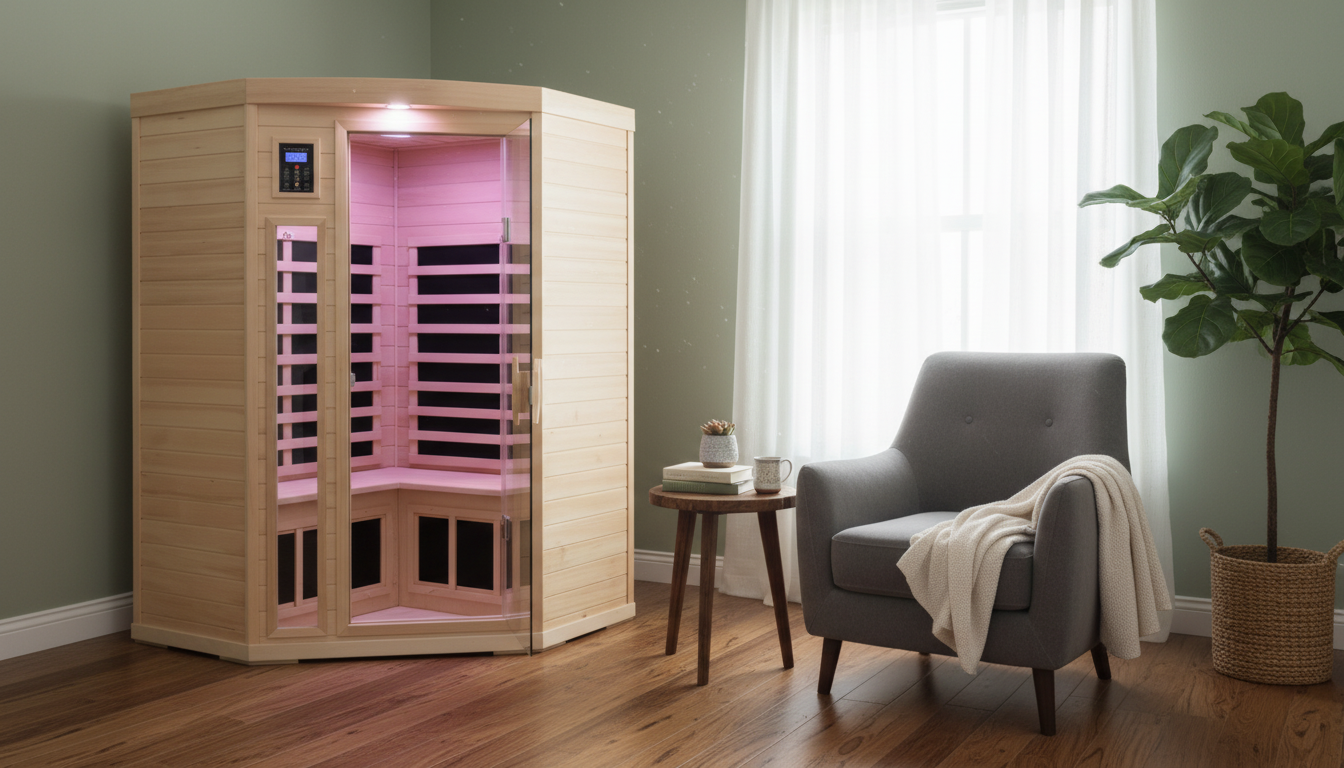
Far Infrared Wooden Sauna Room for 2–3 Person Home Use: Comfort, Setup, and Daily Routine
A far infrared wooden sauna room brings a spa-like heat experience into a dedicated home cabin, with gentle warmth designed for regular use. A well-sized 2–3 person wooden infrared sauna can feel roomy for solo sessions, comfortable for couples, and practical for a small family rotation. Below is what the heat feels like, how to plan your space and power, which features affect comfort most, and a simple routine for safe everyday use.
What a far infrared wooden sauna room feels like
Far infrared heating is often described as a “warming from within” sensation because it’s designed to warm the body more directly than systems that primarily heat the air first. The result is a steady, even warmth that many people find comfortable at lower ambient temperatures than a traditional high-heat sauna.
Wood interiors also change the experience in a good way: surfaces tend to stay pleasant to the touch, the cabin feels calmer and quieter, and the overall atmosphere is closer to a classic sauna environment than most portable alternatives.
For size, a 2–3 person cabin typically hits a sweet spot: plenty of personal space for one person to stretch out, cozy seating for two, and enough room for a quick rotation when multiple people want shorter sessions.
Warm-up expectations vary by model and room temperature, but many users do a brief preheat and then step in once the cabin is close to their preferred setting—adjusting temperature and time as their comfort level builds over the first couple of weeks.
Room planning: space, power, and placement
Start with placement. Choose a level indoor surface that can support the sauna’s footprint plus extra clearance for ventilation and an easy door swing. If the manufacturer recommends spacing from walls, follow it—airflow around the unit helps components run as intended and keeps the cabin more consistent during longer sessions.
Next, confirm electrical requirements before delivery. Depending on the heater load, a dedicated circuit may be recommended. Plan for the correct outlet location so you’re not relying on makeshift power solutions or extension cords, which can be unsafe around heat and sweat.
Think through humidity and flooring. While infrared saunas are generally a drier experience than steam-based sessions, sweat still happens. A protective, water-resistant mat just outside the entry can help, and it’s smart to keep electronics and loose cables away from the cabin.
Finally, consider your routine: placing the sauna near a shower and a cool-down area (even a simple chair in a cooler room) makes the whole experience easier to maintain day after day.
Features that matter for a 2–3 person home sauna
Heater layout and coverage
More balanced heater placement can reduce hot spots and help the cabin feel uniformly warm. Even coverage matters if two people prefer different seating positions or if you plan to stay in for longer, steady sessions.
Controls you can use mid-session
Look for intuitive timer and temperature controls that are easy to read and adjust without interrupting relaxation. Simple controls also help beginners stick to consistent session lengths.
Lighting and ambiance
Interior lighting influences how the sauna feels, especially in the evening. Softer light can feel calmer, while brighter light may be better for quick daytime sessions.
Build quality you feel every day
Noise, privacy, and the “dedicated space” benefit
Quick comparison: infrared cabin vs other home options
| Option | Space needed | Heat feel | Typical upkeep | Best for |
|---|---|---|---|---|
| Far infrared wooden cabin (2–3 person) | Moderate (dedicated corner/room) | Gentle, penetrating warmth | Wipe down + air out | Regular wellness routines, shared sessions |
| Traditional sauna (stone/heater) | Moderate to large | Hot air + steam potential | More moisture management | Those who prefer high heat and steam |
| Portable infrared tent/blanket | Low | Targeted warmth, less cabin feel | Fabric cleaning + storage | Small spaces, occasional use |
Comfort and safety routine for everyday use
Health considerations matter. People who are pregnant, have cardiovascular conditions, or take medications that affect heat tolerance should consult a clinician before using sauna heat. For additional safety perspectives, see guidance from Mayo Clinic, Cleveland Clinic, and Harvard Health Publishing.
What’s included and what to prepare before delivery
A 2–3 person option to consider
If a dedicated cabin is the goal, the Far Infrared Wooden Sauna Room for 2-3 Person Home Use is a practical pick for shared sessions while still feeling spacious for solo use. Before purchasing, confirm the dimensions, electrical requirements, and included accessories on the product page so it fits your room and your routine.
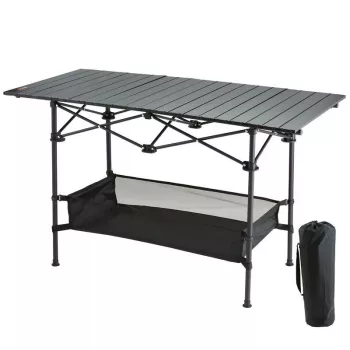
To set up a simple “cool-down corner,” a compact surface like the Portable Folding Camping Table can be useful for organizing towels and post-session essentials right outside the cabin.
If you’re building a calm, coordinated wellness space, the Colorful Quiet Luxury Palettes Checklist can help plan a relaxing color direction for the surrounding room without overcomplicating the décor.
FAQ
How long should a far infrared sauna session be for beginners?
Start with shorter sessions (about 10–15 minutes) and increase gradually as your comfort and hydration habits improve. Stop the session if you feel dizzy, nauseated, or unwell.
Is an infrared wooden sauna room safe to use every day?
Many healthy adults use saunas regularly, but daily use depends on your personal tolerance and health history. Keep sessions reasonable, hydrate well, and get medical guidance if you’re pregnant, have heart or blood pressure concerns, or take heat-sensitive medications.
How should a wooden infrared sauna be cleaned and maintained?
Wipe down benches and backrests after each use, let the interior dry by leaving the door slightly open, and use towels to reduce sweat absorption into the wood. Avoid harsh chemicals and follow the manual for periodic checks and maintenance.















Leave a comment