220V 6000W Mini Instant Water Heater for Showers
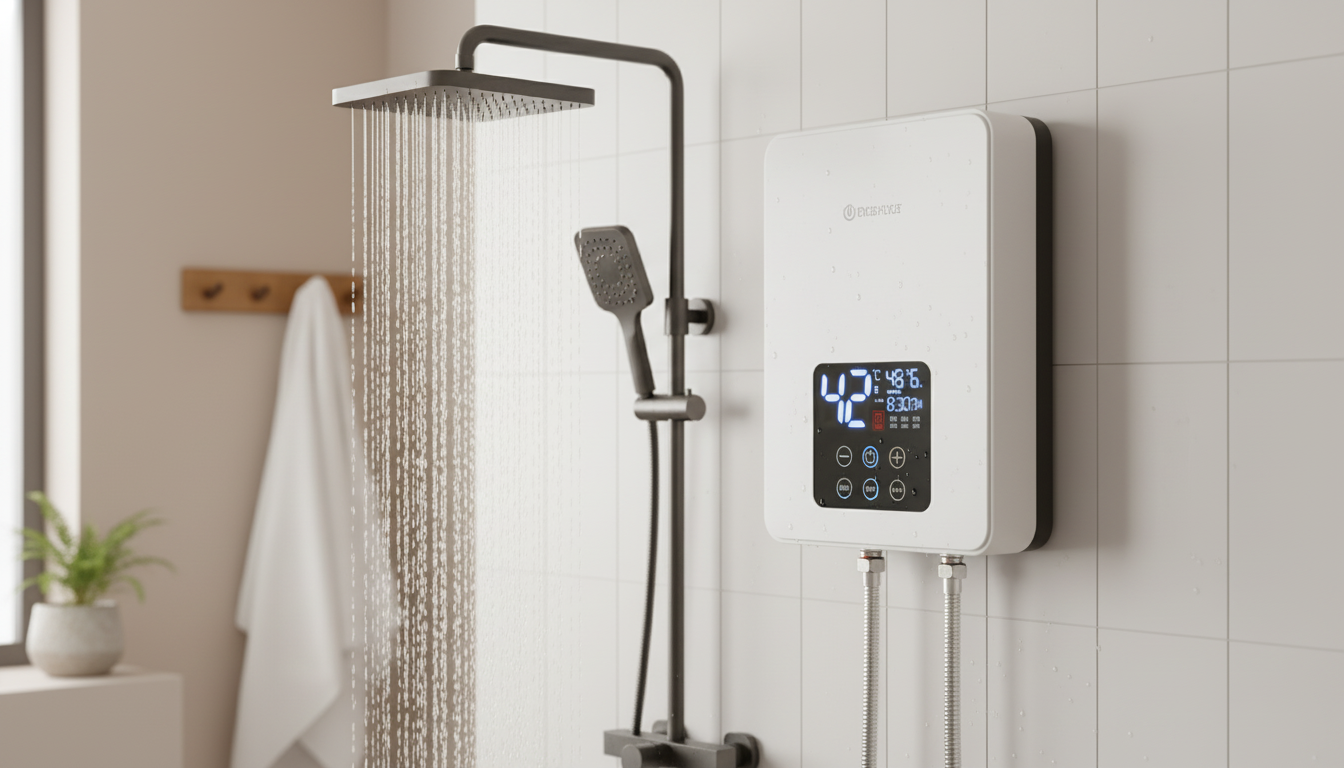
Mini 220V Instant Electric Water Heater (6000W) for Wall-Mounted Portable Showers
A compact electric water heater can deliver hot water on demand without a bulky tank—ideal for small bathrooms, utility spaces, or temporary shower setups. A 220V, 6000W wall-mounted unit is built around fast heat-up and a small footprint, which makes it attractive for space-conscious installs where standby losses from stored hot water feel wasteful. The tradeoff is that comfort depends on the match between your incoming water temperature, your shower flow rate, and a correctly planned electrical circuit.
What This Style of Instant Heater Is Best For
Instant electric heaters like a mini 220V/6000W model shine when a tank would be inconvenient or simply won’t fit. They’re especially useful when the goal is a straightforward shower setup with on-demand heat and minimal clutter.
- Small spaces where a storage tank is impractical, such as tight bathrooms, wash stations, utility rooms, and outbuildings.
- On-demand shower hot water when paired with a compatible shower head, valve, and plumbing layout that allow flow control.
- Reduced standby losses compared with tank heaters, since you aren’t keeping a reservoir hot all day.
- Wall-mounted convenience that keeps the floor clear and helps protect the unit from splashes and stored items.
- Hands-on temperature control by balancing water flow and heater power rather than relying on a preheated tank volume.
Key Specs to Understand Before Buying
With instant heating, the specs determine whether the unit can realistically support your routine. A 6000W heater can work well for showers, but only when the electrical and water conditions line up.
- Voltage and wiring (220V): The supply must match the heater’s rating, and the circuit should be sized correctly with proper grounding.
- Power rating (6000W): Higher wattage generally means a better temperature rise—particularly when the inlet water is cold.
- Flow vs. temperature rise: The faster the flow, the less time water spends heating; slower flow typically yields hotter output.
- Mounting requirements: Plan for clearance, service access, and any ventilation guidance from the manufacturer.
- Water pressure and fittings: Confirm the supported pressure range and that connectors match local plumbing standards.
Quick spec checklist for a 220V / 6000W instant shower heater
| Item to check | Why it matters | What to confirm |
|---|---|---|
| Electrical supply | Prevents nuisance trips and overheating | Dedicated 220V circuit, correct breaker/wire gauge per local code |
| Grounding & protection | Reduces shock risk in wet areas | Proper ground, RCD/GFCI where required |
| Inlet water temperature | Affects how hot the shower can get | Cold climates may need lower flow to reach comfortable temps |
| Flow rate control | Main lever for temperature adjustment | Valve/shower head that allows fine flow tuning |
| Mounting position | Improves usability and longevity | Splash-safe area, stable wall, easy access for maintenance |
Installation Essentials (Electrical + Plumbing)
Because a 6000W instant heater draws significant current, a “quick hookup” mindset can lead to unreliable performance or safety issues. Proper placement, wiring, and leak-free plumbing are what make the day-to-day experience feel smooth.
- Electrical work: Installation should follow local electrical code; for 220V wiring and breaker sizing, using a qualified electrician is strongly recommended.
- Circuit planning: Many instant heaters require a dedicated circuit; avoid sharing the line with other high-load appliances.
- Water connections: Use appropriately rated hoses/pipes, sealant, and correct fittings; pressure-test and check for leaks before energizing.
- Mounting: Secure the unit to a solid wall using proper anchors and keep it level to support stable flow and internal sensing.
- First start: Flush the line and confirm water is flowing through the heater before turning on power to prevent dry-heating damage.
For additional safety guidance on household electrical use, review the U.S. Consumer Product Safety Commission’s electrical safety resources. For code context, the NFPA’s overview of the National Electrical Code (NFPA 70) is a helpful starting point.
Daily Use: Getting a Comfortable Shower Temperature
Instant heaters reward small, patient adjustments. Once the plumbing is stable and the heater is correctly installed, the routine is mostly about finding the flow rate that matches the season.
For a broader perspective on water-heating efficiency and options, the U.S. Department of Energy’s water heating guide is a reliable reference.
Safety Considerations for Wet-Area Appliances
Care, Maintenance, and Longevity
Product Spotlight: Mini 220V Instant Electric Water Heater, 6000W, Wall-Mounted Portable Shower
If the goal is a compact, wall-mounted source of on-demand hot water for showering, the Mini 220V Instant Electric Water Heater, 6000W, Wall-Mounted Portable Shower is designed for setups where a tank would feel oversized or inconvenient. The 6000W output supports shower-focused use when paired with stable water pressure and a shower head/valve that allows fine flow control.
For outdoor rinse stations, cleanup areas, or temporary utility zones, a stable work surface can make setup and teardown easier. The Portable Folding Camping Table is a handy companion for organizing shower accessories, hoses, and toiletries when space is limited.
FAQ
Can a 6000W 220V instant heater provide a comfortable shower?
Yes. Comfort depends on inlet water temperature and flow rate—colder incoming water usually means reducing flow to reach a warmer shower. Consistent results also require the correct 220V supply and properly sized wiring.
Does a 220V instant water heater need a dedicated circuit?
Often, yes, because instant heaters can draw a high load while operating. A dedicated circuit helps prevent breaker trips and overheating, and the final requirements should follow the manufacturer instructions and local electrical code.
Is it safe to install an instant heater in a bathroom?
It can be safe when installed to code with correct placement, grounding, and appropriate shock protection (such as GFCI/RCD where required). Keep electrical connections away from direct spray and never operate the unit without confirmed water flow.















Leave a comment