Oversized Self-Cleaning Litter Box: Comfort & Odor Control
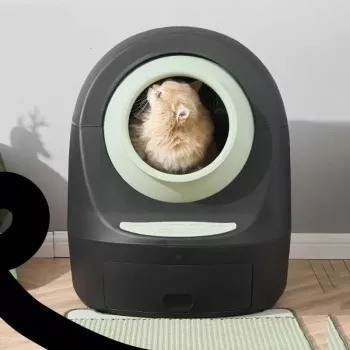
Automatic Oversized Self-Cleaning Cat Litter Box: Space, Hygiene, and Daily Ease
An oversized self-cleaning litter box is built for larger cats, multi-cat homes, and anyone who wants fewer odors and less scooping. The best units balance roomy interior space with reliable waste separation, safety sensors that pause when a cat approaches, and parts that are simple to wipe down—so the box stays inviting for cats and manageable for people.
Who an oversized self-cleaning box is best for
- Large-breed or long-bodied cats that struggle to turn around in standard boxes (tight spaces can lead to hesitation or accidents).
- Multi-cat households where litter gets used up quickly and clumps pile up fast.
- Busy schedules that benefit from automatic cleaning cycles and a sealed waste compartment between emptying days.
- Odor-sensitive rooms like apartments, laundry rooms, mudrooms, or home offices.
- Caregivers wanting less bending and less contact with waste while still keeping a consistently clean litter surface.
If a cat is avoiding the box, it’s worth checking health and behavior factors as well. Authoritative guides from the American Association of Feline Practitioners (AAFP) and the ASPCA highlight that comfort, cleanliness, and stressors all play a role.
What “self-cleaning” usually means (and what it doesn’t)
Most automatic litter boxes follow the same basic idea: after a cat exits, the unit waits a set amount of time, then runs a cycle that separates clumps into a waste drawer/bin. That delay matters—clumps need time to firm up so they don’t smear.
- What it does: sifts or separates solid waste and clumped urine into a sealed compartment, reducing day-to-day scooping.
- What it doesn’t: eliminate maintenance entirely. You’ll still top off litter, empty the drawer, and deep clean on a schedule.
- Odor control varies: seals, carbon filters, and how often the bin is emptied matter as much as the cleaning mechanism.
- Performance depends on conditions: litter type, humidity, and number of cats can change how cleanly clumps release.
Key features to evaluate before buying
1) Interior dimensions and entry height
Oversized should mean a cat can enter, turn, and posture naturally without bumping sides. Entry height matters too: low is helpful for seniors, while higher sides may reduce tracking for enthusiastic diggers.
2) Safety sensors that actually prevent “surprise cycles”
Look for motion/weight/infrared detection that stops the mechanism if a cat approaches or re-enters. Reliable detection is essential for confidence—especially with cautious cats.
3) Noise level for skittish cats and nighttime use
Quieter motors and smoother movement can make the difference between a cat accepting the box or avoiding it. If your home is small, noise control also matters for sleep.
4) Waste-bin capacity and seal quality
A larger bin means fewer trips to the trash, but it still needs a tight seal to keep odors from lingering in the room between emptying days.
5) Ease of cleaning (the real long-term test)
Removable parts, smooth surfaces, and fewer crevices reduce buildup and help prevent jams. If wiping the interior feels like a chore, maintenance gets postponed—and odors return.
6) Litter compatibility
7) Power and placement
Setup and transition tips that reduce accidents
Care routine for odor control and long-term reliability
Quick comparison checklist
| What to check | Why it matters | Simple pass/fail test |
|---|---|---|
| Roomy interior | Cats need to turn and posture comfortably to avoid avoidance behaviors | Cat can enter, turn around, and scratch without touching sides |
| Entry height and opening | Affects seniors, kittens, and cats with mobility issues | Cat steps in without jumping or hesitation |
| Reliable safety detection | Prevents cycling when a cat is inside or re-enters | Cycle stops immediately when the cat approaches |
| Waste bin seal and capacity | Reduces smell and the frequency of emptying | No noticeable odor near the unit between emptying days |
| Easy-to-clean parts | Less buildup means fewer jams and better hygiene | Key surfaces wipe clean in minutes; parts remove without tools |
| Litter compatibility | Wrong litter can smear, crumble, or clog | Clumps lift cleanly and drop into the bin without residue |
Product spotlight: Automatic Oversized Self-Cleaning Cat Litter Box
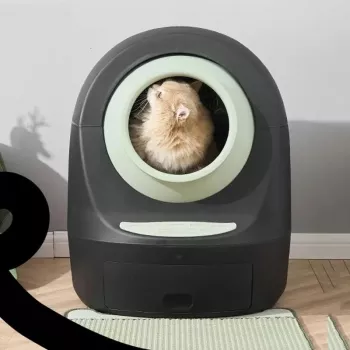
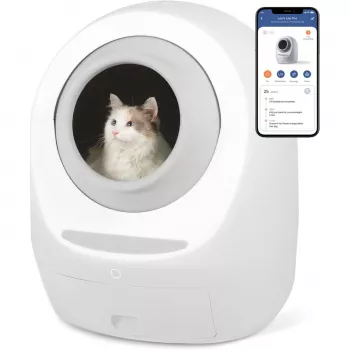
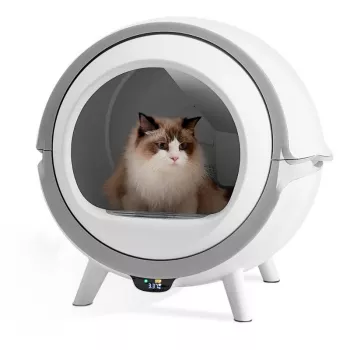
If your goal is more interior space plus less daily scooping, the Automatic Oversized Self-Cleaning Cat Litter Box is designed to support comfortable turning for bigger cats while automating waste separation to keep the litter bed fresher between full cleanings.
Helpful add-ons for a cleaner, more convenient setup
- Warm, comfortable room placement: In chilly basements or enclosed laundry areas, a steady temperature can make the “bathroom zone” more appealing. Consider a dedicated heater like the 60-Inch Wall-Mounted Electric Fireplace Heater with App Control & Remote for adjacent spaces where you spend time.
- A dedicated cleanup surface: Keeping bags, wipes, and a small bin organized nearby can speed up maintenance. A compact station like the Portable Folding Camping Table can work as a fold-away supply spot in tight apartments or laundry rooms.
FAQ
Can an oversized self-cleaning box work for multiple cats?
Yes, as long as the unit is sized for multi-cat traffic and the waste-bin capacity matches your household’s daily use. Monitor the first week closely, empty the bin more often at the start, and keep a second box available during the transition.
What litter works best in a self-cleaning litter box?
Clumping litter that forms firm clumps quickly is usually the most reliable. Avoid very lightweight or dusty formulas if they create residue or interfere with sensors, and follow the manufacturer’s compatibility guidance.
How often does the waste drawer need to be emptied?
It depends on the number of cats, their diet, and the bin size, but many homes land somewhere between every few days and about once a week. Empty sooner if odors increase or the drawer is nearing full to keep cycles running cleanly.












Leave a comment