Bluetooth Speaker Charging Dock: Cleaner Power, Less Fuss
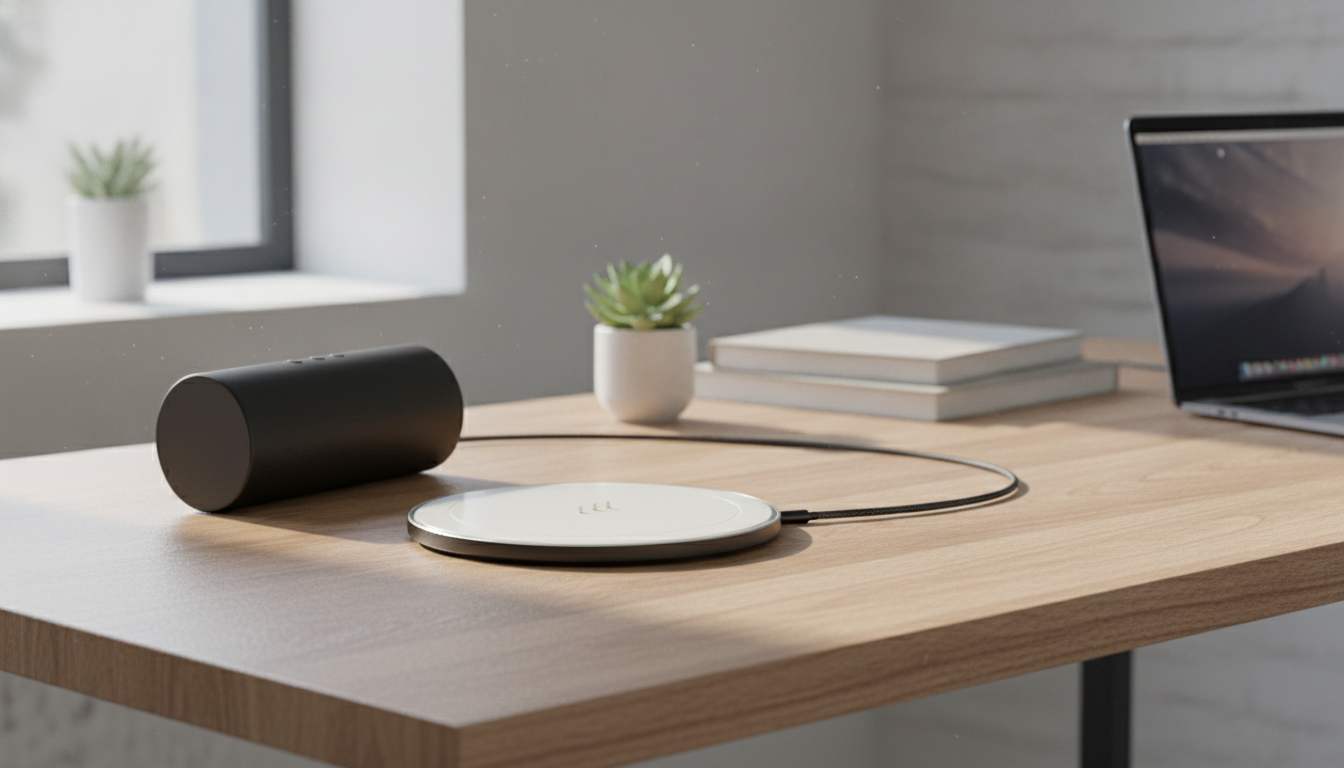
Power Charging Dock for Bluetooth Speaker
A charging dock keeps a Bluetooth speaker powered, organized, and ready to play without constantly plugging and unplugging cables. Whether your speaker lives on a nightstand, a work desk, or a kitchen counter, a dock creates a consistent “set it down and it charges” routine. Below is a practical guide to what a dock adds, how to confirm compatibility, and how to get steady charging day after day.
What a charging dock adds to a speaker setup
A good dock does more than provide power. It turns charging into a repeatable habit and reduces the small daily annoyances that come with loose cables.
- Creates a dedicated “home base” so the speaker always returns to the same spot for charging and storage
- Reduces wear on the speaker’s charging port by limiting repeated cable insertions
- Helps keep desks, nightstands, and shelves tidier by managing cable slack
- Makes grab-and-go use easier: lift the speaker off the dock and it’s ready
How to check compatibility before buying
Not every dock works with every speaker. Before checkout, take two minutes to confirm fit, power, and how the connection is made.
- Charging interface: confirm the speaker’s charging port type and whether the dock aligns with it (some docks use a fixed connector, others use a cable pass-through)
- Speaker dimensions and fit: verify the dock’s cradle size supports the speaker’s width/shape without wobbling
- Case or skin clearance: if the speaker has a protective cover, ensure it doesn’t prevent a solid charging connection
- Power requirements: match the speaker’s input (voltage/current) with the dock’s output to avoid slow charging or connection drops
- Use environment: bedside, office, kitchen, or workshop setups may need more stability and easier one-handed docking
Everyday benefits: convenience, cleanliness, and reliability
Most people notice the difference in the first week: fewer “where’s the cable?” moments and fewer partial charges caused by a loose plug.
- One-step docking: place the speaker down and charging starts, avoiding “is it plugged in?” uncertainty
- Cable management: keeps a single charging spot instead of moving a cable around the room
- Better battery habits: encourages topping up between sessions rather than deep-draining the battery repeatedly
- Improved readiness: helps keep battery levels consistent for calls or alerts on speakers with a built-in mic/assistant
Setup guide for a stable, repeatable dock
Intermittent charging is usually a setup issue, not a dock issue. A few small placement tweaks can make charging feel “automatic.”
- Place the dock on a flat, non-slip surface; avoid soft fabric surfaces that can tilt the connector
- Route the power cable so it does not pull sideways on the dock (side tension is a common cause of poor contact)
- Do a “seat test”: gently tap or nudge the speaker once docked to confirm it stays aligned and continues charging
- If charging is intermittent, try a different wall adapter or USB power source known to be stable and correctly rated
- Keep the connector area clean: dust or pocket lint around the port can prevent proper electrical contact
Charging performance and safety basics
Charging is simple, but it still benefits from a few common-sense safeguards—especially if the dock stays plugged in full-time.
For deeper background on charger standards and safety practices, see USB Power Delivery (USB-IF) – Overview, UL battery and charging safety resources, and FCC equipment authorization guidance.
Choosing the right dock style for where the speaker lives
Quick checklist: what to look for before checkout
| Feature to verify | What to look for | Why it matters |
|---|---|---|
| Fit and stability | Speaker sits level without rocking | Prevents intermittent charging and accidental drops |
| Charging connection | Connector seats fully without force | Ensures consistent charging and reduces port wear |
| Power support | Adapter/output suitable for speaker | Avoids slow charging and disconnect cycles |
| Cable management | Strain relief and clean routing | Reduces tugging that can loosen connections |
| Placement needs | Footprint fits shelf/desk area | Keeps the setup tidy and convenient |
Care and troubleshooting
Product spotlight: Power Charging Dock for Bluetooth Speaker
If you want a simple “home base” that keeps daily charging consistent, the Power Charging Dock for Bluetooth Speaker is a dedicated option designed to keep a compatible speaker charged and neatly stored. It’s especially helpful in routines where the speaker is picked up often—morning news, work calls, or moving from room to room.
More in-stock picks for a cleaner listening setup
- Portable Folding Camping Table — a sturdy, packable surface that can double as a designated speaker station for patios, campsites, or garages where outlets are limited and stability matters.
- 60-Inch Wall-Mounted Electric Fireplace Heater with App Control & Remote — an at-home comfort upgrade that pairs well with a docked speaker setup for consistent background audio in a living room or den.
FAQ
Will a charging dock work with any Bluetooth speaker?
Not always. Compatibility depends on the speaker’s charging port type, port location, and whether the dock’s connector or cradle aligns with the speaker’s design and power requirements.
Why does my speaker charge on a cable but not on the dock?
The most common causes are poor alignment on the dock, cable strain pulling the connector slightly off-center, a weak power adapter, or debris in the speaker’s charging port preventing a solid connection.
Is it safe to leave a Bluetooth speaker on a dock overnight?
Most modern speakers manage charging automatically, but safety improves when you use a quality adapter, maintain good ventilation, keep cables in good condition, and avoid heat or moisture near the dock.
















Leave a comment