Far Infrared Wooden Outdoor Sauna: Backyard Cabin Heat
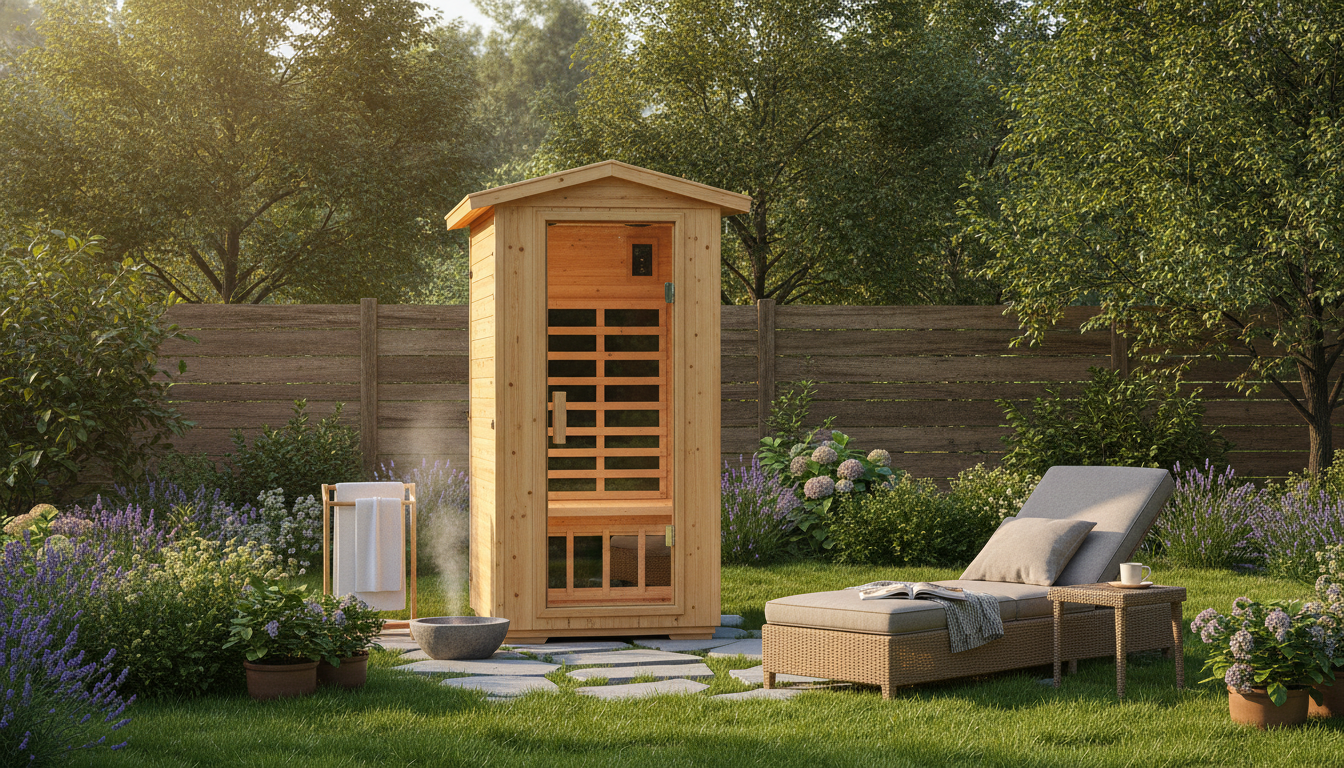
Far Infrared Wooden Outdoor Sauna: Comfort, Craft, and Year-Round Backyard Heat
A wooden outdoor sauna with far infrared heat blends the natural warmth and look of wood with a gentler, evenly distributed heating experience. The result is a backyard retreat that feels more like a small cabin spa than a temporary enclosure. Below is what to expect from far infrared warmth outdoors, how to plan placement and power, which features matter most, and how to keep a wooden sauna performing well through every season.
What Makes Far Infrared Heat Different Outdoors
Far infrared saunas use heating panels that radiate energy many people experience as a “soak-in” warmth, often feeling comfortable at lower air temperatures than traditional hot-rock or steam-style saunas. Outdoors, the setting changes the session in practical ways: cold air, wind, and shifting humidity can increase warm-up time and make heat retention more challenging.
That’s where a wooden cabin design shines. Solid wood walls help buffer temperature swings, reduce drafts, and create a quieter, more spa-like atmosphere than fabric pop-ups or metal shells. Even when a unit is rated for outdoor use, day-to-day comfort improves when the sauna is shielded from direct wind and heavy precipitation, such as under a covered patio edge, near a privacy wall, or on the leeward side of a fence.
For a balanced view of benefits and risks related to sauna use, see guidance from Cleveland Clinic and the National Center for Complementary and Integrative Health (NCCIH).
Why Wood Matters: Feel, Durability, and Maintenance
Wood is part comfort, part craftsmanship. It tends to feel less harsh to the touch than many synthetic surfaces, and it supports the classic sauna experience—warm, calm, and naturally inviting. Outdoors, however, wood also becomes a performance material that needs routine attention.
Seasonal exposure makes sealing, drainage planning, and regular inspections more important than for indoor units. When comparing wooden outdoor saunas, consider the wood’s resistance to warping, its odor profile when warmed, and how well it handles expansion and contraction across hot summers and freezing winters. A consistent maintenance rhythm—light cleaning plus periodic re-sealing or re-staining per the manufacturer—helps preserve the finish and reduce moisture-related wear.
Outdoor Wooden Sauna Quick Checks
| Area | What to look for | Why it matters |
|---|---|---|
| Cabin walls/roof | Tight seams, intact shingles/panels, no soft spots | Helps prevent water intrusion and heat loss |
| Bench and floor | Smooth surfaces, stable support, easy-to-clean floor | Comfort, safety, and hygiene |
| Door and seals | Solid close, minimal gaps, reliable latch | Maintains consistent heating and reduces draft |
| Ventilation | Designed intake/exhaust or manufacturer-specified vents | Comfort and air quality during sessions |
| Exterior finish | Outdoor-rated sealant or stain in good condition | Protects wood from UV and moisture |
Placement Planning: Backyard Site, Base, and Weather Protection
Start with the base. A flat, stable surface keeps the cabin square, helps the door align correctly, and reduces long-term stress on panels and fasteners. Common options include pavers on compacted gravel, a concrete pad, or a reinforced deck section designed to handle the sauna’s weight.
Next, plan clearance. Leave enough space around the sauna for service access, airflow, and safe entry/exit, and follow the product installation guide for minimum distances from structures, railings, and vegetation.
Wind management can make a noticeable difference in colder months. A simple wind break—privacy fencing, shrubs, or a small wall—can reduce drafts and help the sauna hold heat more steadily. Finally, treat water like an everyday design factor: avoid low spots where puddles form, ensure the ground slopes away from the base, and use drip edges or gutters where applicable to keep runoff from soaking the perimeter.
Power and Electrical Considerations
Before purchasing an outdoor infrared sauna, confirm voltage and amperage requirements, and whether a dedicated circuit is needed. Outdoor electrical runs typically require appropriately rated conduit, weather-resistant boxes, and GFCI protection where required—details that can vary by local code and site layout.
Everyday Use: Warm-Up, Comfort, and Session Routine
Care, Cleaning, and Seasonal Upkeep
For additional general perspective on sauna use, benefits, and cautions, the Mayo Clinic offers a helpful overview.
A Closer Look at the Far Infrared Wooden Outdoor Sauna
If the goal is a dedicated backyard wellness space, a cabin-style outdoor unit can feel like a true retreat—private, quiet, and ready for regular sessions. The Far Infrared Wooden Outdoor Sauna focuses on steady far infrared warmth that many users find approachable for longer, more relaxing sessions.
To round out a comfort-forward setup, a compact indoor option like the Infrared Sauna for One Person can fit smaller spaces, while a supplemental heat feature such as the 60-Inch Wall-Mounted Electric Fireplace Heater with App Control & Remote can help make adjacent lounge areas more inviting during colder months.
FAQ
How hot does a far infrared outdoor sauna get?
Many far infrared saunas operate at lower temperature ranges than traditional saunas, while still feeling deeply warming because the heat is more direct. The exact temperature depends on the model and outdoor conditions, so follow the manufacturer’s stated range and warm-up guidance for your unit.
Can a wooden infrared sauna stay outside year-round?
Yes, if it’s designed and rated for outdoor use and installed on a solid base with good water management. Year-round performance typically depends on routine exterior sealing/finishing, keeping drainage clear, and using sensible weather protection (like wind breaks or covers) based on your local climate.
What are the key safety tips for infrared sauna sessions?
Hydrate before and after, limit session length, avoid alcohol, and stop if you feel dizzy or unwell. People who are pregnant, have cardiovascular concerns, or take medications that affect heat tolerance should check with a clinician, and safe operation also depends on proper electrical installation and adequate ventilation.













Leave a comment