Foldable Shoe & Boot Dryer: Timer + UV, Dries 2 Pairs
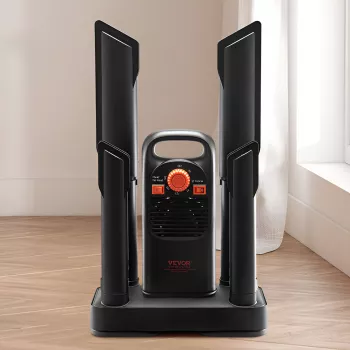
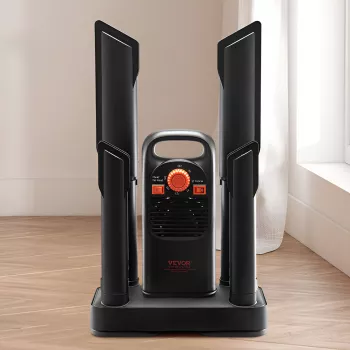
Foldable Shoe and Boot Dryer with Timer & UV – Dries 2 Pairs in a Portable Design
Wet shoes and boots can lead to lingering odors, discomfort, and slower material breakdown. A foldable dryer with a timer and UV support helps remove moisture more consistently than air-drying—while keeping the setup compact for closets, entryways, dorms, and travel. This guide covers how it works, when to use it, and what to look for in safe, everyday drying habits.
What This Dryer Is Designed to Do
A foldable shoe and boot dryer is made for the real-world routine: you come home with damp footwear, you need it ready again, and you don’t want to improvise with risky heat sources.
- Dry two pairs at once to speed up routine recovery after rain, snow, workouts, or commuting.
- Foldable structure for compact storage when not in use and easier packing for trips.
- Timer-based drying to reduce guesswork and help avoid leaving heat running longer than needed.
- UV support intended to complement drying by addressing odor-causing contributors in enclosed footwear.
Moisture control also matters for foot comfort and hygiene. Public-health guidance commonly emphasizes keeping feet clean and dry to reduce problems associated with damp environments; see general prevention tips from the CDC and broader foot-care guidance from the American Podiatric Medical Association.
When a Timer + UV Dryer Helps Most
Air-drying can work—until it doesn’t. Thick materials, enclosed toe boxes, and soaked linings often stay wet for hours (or overnight), especially in humid homes or during winter. A controlled, timed drying session can help you get ahead of that cycle.
- After rain or snow: helps prevent damp liners and insoles from staying wet overnight.
- Sports and gym shoes: assists with moisture that contributes to odor and discomfort.
- Work boots and hiking boots: useful for thicker materials that take longer to air-dry.
- Kids’ shoes: frequent wetness from play can make quick turnaround helpful.
- Travel: foldable design supports packing when luggage space is limited.
Common Use Cases and Practical Settings
| Footwear situation | Drying goal | Timer approach (general) | Extra tips |
|---|---|---|---|
| Lightly damp sneakers | Dry inner lining and insoles | Short to medium cycle | Remove insoles if possible for faster drying |
| Soaked running shoes | Reduce deep moisture buildup | Medium to longer cycle | Blot excess water first; avoid direct high heat |
| Thick work boots | Dry toe box and shaft area | Longer cycle | Loosen laces; open boot collar to improve airflow |
| Skates / cleats | Dry tight enclosed areas | Medium cycle | Wipe off debris; dry after every session |
| Travel laundry or hostel use | Dry overnight without bulk | Short cycle as needed | Pack in a ventilated pouch; keep away from splashes |
How to Use It Safely for Better Results
Better drying is usually less about “more heat” and more about good prep, airflow, and time control. The goal is even, gentle moisture removal—without stressing adhesives, finishes, or delicate fabrics.
- Start by removing excess water: wipe the exterior, shake out water, and blot inside if needed.
- Open up the shoe/boot: loosen laces and pull the tongue forward to improve airflow.
- If removable, take out insoles to dry separately or in a more exposed position.
- Use the timer rather than continuous running; check dryness and repeat if necessary.
- Let footwear cool and air out briefly after drying, especially for synthetic materials.
- Avoid using on items not meant for heated drying (delicate materials or glued constructions that warn against heat).
If you’re using UV support, treat it as a complement to drying and basic care. For general information about UV and how it’s discussed in disinfection contexts, review the EPA’s UV disinfection overview (note: footwear use and conditions vary, so follow your device instructions).
Care, Storage, and Long-Term Footwear Maintenance
Drying helps today, but a few habits help shoes and boots last longer—and feel better between wears.
Who This Dryer Fits Best
Product Snapshot: Foldable Shoe and Boot Dryer with Timer & UV
If you want a simple, space-conscious way to dry daily footwear with less guesswork, the Foldable Shoe and Boot Dryer with Timer & UV – Dries 2 Pairs, Portable Design is built for quick setup and controlled sessions.
At-a-Glance Details
| Item | Detail |
|---|---|
| Product | Foldable Shoe and Boot Dryer with Timer & UV – Dries 2 Pairs, Portable Design |
| Price | 40.97 USD |
| Availability | In stock |
| Primary use | Drying shoes and boots; supports two pairs |
| Notable features | Foldable design, timer, UV support |
| Product page | View product |
Related Portable Gear for Trips and Small Spaces
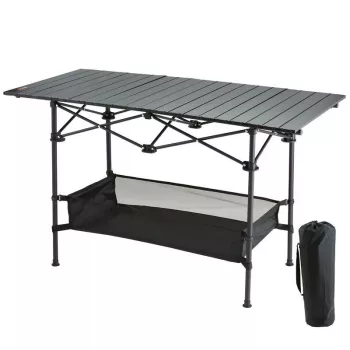
- Portable Folding Camping Table for a quick, stable surface in cabins, campsites, or small rentals (handy for organizing gear as shoes dry).
- The Smart Traveler’s Guide to Global Etiquette (Digital Download) to help plan smoother trips—especially when you’re sharing tight spaces where keeping gear tidy matters.
FAQ
How long does it take to dry shoes or boots with a timer dryer?
Drying time depends on how wet the footwear is, how thick the materials are, and whether you remove the insoles. Start with a shorter cycle, check dryness, and run another timed session if needed rather than over-drying in one long run.
Is UV in a shoe dryer meant to replace cleaning?
No—UV is typically an add-on that can support odor management alongside drying, but it doesn’t replace cleaning. Wiping interiors, washing washable insoles, and fully drying after each wear helps address the main contributors to odor.
Can a shoe dryer be used on leather or glued sneakers?
Check the footwear’s care label and any manufacturer warnings first. Use gentle, controlled drying with the timer (avoid excessive heat), and let shoes cool and air out after a cycle; delicate materials or certain adhesives may require extra caution.











Leave a comment