How to Use a 30,000 RPM Cordless Nail Drill Safely
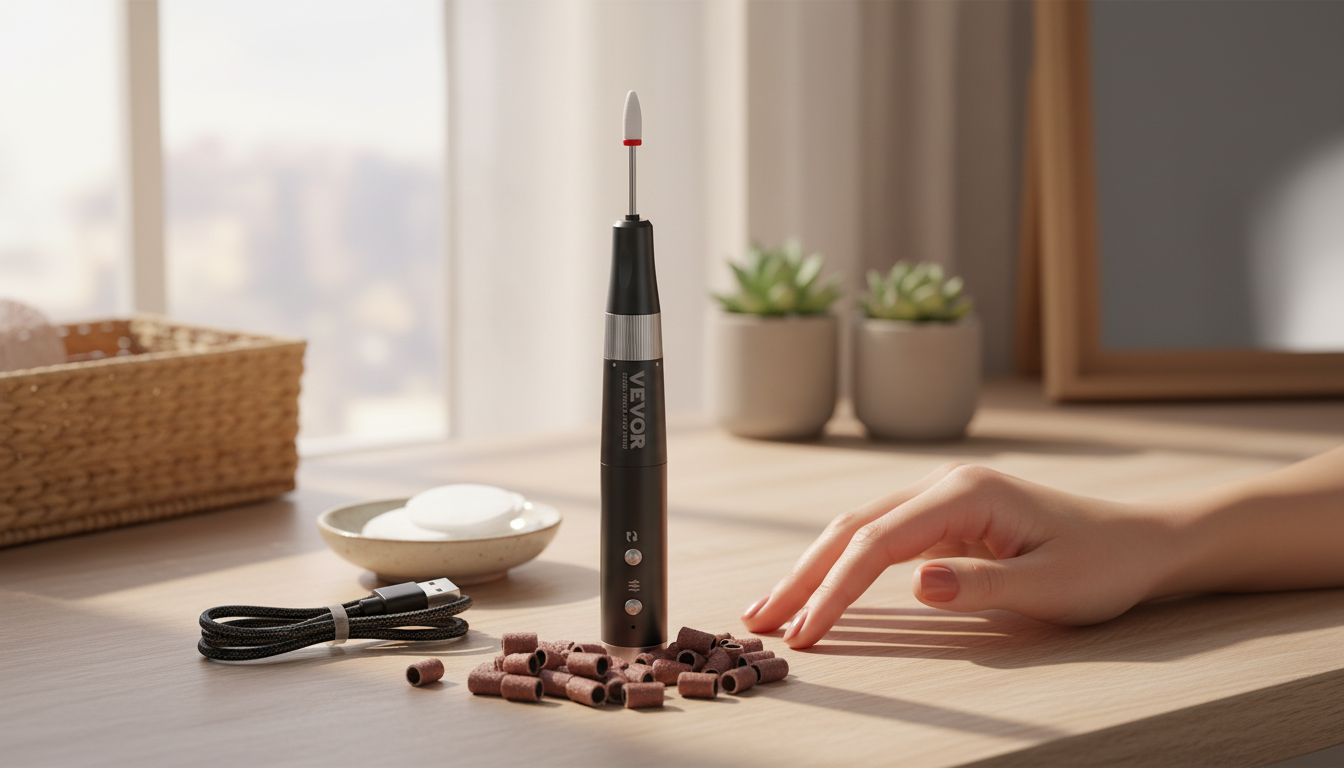
Cordless Electric Nail Drill 30,000 RPM: Variable-Speed Control for Smooth Manicures and Pedicures
A cordless nail drill with variable speed helps shape, refine, and remove product with more control than manual filing—especially when switching between natural nails, gel, acrylic, and pedicure callus care. A 30,000 RPM ceiling doesn’t mean you should use maximum speed all the time; it means you have headroom to choose the lowest effective speed for each step, then adjust as your comfort and technique improve.
What 30,000 RPM and variable speed change in day-to-day use
RPM refers to rotations per minute—the top speed the bit can spin. Variable-speed control is what makes that range practical, because it lets you slow down for delicate areas and speed up for bulk removal when appropriate.
- Lower speeds make it easier to stay precise around cuticles and the natural nail, helping reduce friction heat and accidental thinning.
- Higher speeds can remove builder gel or acrylic faster, but only when paired with the right bit and a feather-light touch.
- Cordless handling improves maneuverability for pedicures and awkward angles—no cord dragging across your work surface or catching on your wrist.
- Adjust based on the full setup: nail type, product thickness, bit material, and grit. Speed alone doesn’t equal effectiveness (or safety).
Best speed ranges for manicure and pedicure tasks
When in doubt, start lower than you think you need. A controlled pass at a moderate RPM usually looks cleaner than rushing at a high RPM. The goal is steady removal with minimal pressure, not “grinding” through layers.
- Natural nail prep: stay conservative; focus on gentle surface refinement.
- Gel polish removal: medium speeds with a fine/medium carbide or sanding band, keeping the bit moving to avoid hot spots.
- Acrylic/builder gel debulk: higher speeds can help, but only with the correct bit and light pressure.
- Cuticle clean-up: low speed with a small safety bit; aim for tidiness, not aggressive removal.
- Pedicure smoothing and callus care: moderate speed works best; avoid prolonged contact in one area.
Quick speed guide by task (adjust based on comfort and bit type)
| Task | Suggested speed range | Recommended bit type | Control tips |
|---|---|---|---|
| Natural nail prep | 3,000–8,000 RPM | Fine sanding band / fine diamond | Use minimal pressure; short passes; stop if warmth is felt |
| Gel polish removal | 8,000–15,000 RPM | Fine/medium carbide or sanding band | Keep moving; work in thin layers; avoid the same spot >2–3 seconds |
| Acrylic/builder gel debulk | 15,000–25,000 RPM | Medium carbide (safety/rounded top) | Angle the bit; feather touch; finish with a finer grit |
| Cuticle detailing | 3,000–6,000 RPM | Small diamond/safety bit | Support the finger; tiny movements; do not dig into the nail plate |
| Callus smoothing (pedicure) | 6,000–12,000 RPM | Pedicure bit / coarse-to-medium sanding | Use broad, sweeping motion; moisturize after; avoid broken skin |
Choosing bits and grits for cleaner results
Your bit choice determines how smoothly product comes off and how easy it is to keep control—often more than RPM does.
- Sanding bands (fine/medium/coarse) are versatile for surface refinement and smoothing. Finer grits are safer for natural nails and finishing work.
- Carbide bits remove hard product efficiently. For added safety near skin, look for “safety” shapes with a rounded top.
- Diamond bits are common for detailing and cuticle work; keep speeds low and movements small and deliberate.
- Step down in grit for the best finish: remove bulk with medium, then refine with fine to reduce visible scratches.
- Replace and clean regularly: worn sanding bands increase friction (and heat). Clean bits between uses to maintain performance and hygiene.
Cordless handling: comfort, stability, and noise control
One of the biggest advantages of a cordless drill is how naturally it fits into real-life routines—touch-ups at a table, removal on the couch, or pedicure work where cord placement is awkward.
- Balance matters: a well-balanced handpiece reduces wrist fatigue during longer removal sessions.
- Stabilize your work: use fingertip support (bracing your working hand) to prevent wobble and uneven shaping.
- Address vibration early: if you feel chatter, pause and reseat the bit so it’s fully inserted and straight.
- Angle over pressure: keep a consistent angle and let the bit skim—pressing harder increases heat and can gouge product.
- For shared spaces: a quieter routine often comes from lower RPM, lighter passes, and shorter contact time per area.
Safe technique checklist to avoid heat and thinning
Setup and cleanup for hygienic sessions
For general cosmetic safety background, the U.S. Food & Drug Administration (FDA) provides helpful guidance, and the CDC hand hygiene resources are a solid baseline for clean habits before and after nail services.
Product spotlight: cordless tools that make at-home nail care easier
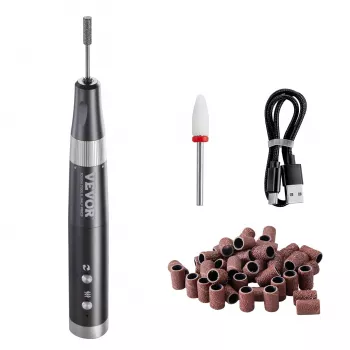
- Cordless Electric Nail Drill 30,000 RPM with Variable Speed for Manicure Pedicure (cordless control for cuticles, gel removal, shaping, and pedicure smoothing)
- Portable Folding Camping Table (a quick way to create a sturdy, portable nail station with better posture and lighting placement)
FAQ
Is 30,000 RPM too fast for natural nails?
No—because variable speed lets you stay at low RPM for natural nails. For prep and refining, use conservative speeds with a fine grit, and reserve higher RPM for product removal with the correct bit and a light touch.
What causes the burning or heat sensation when using a nail drill?
It’s usually from staying in one spot too long, using too much pressure, using a dull bit, or running too fast for the grit. Lower the RPM, keep the bit moving, and switch to a finer or fresher bit to reduce friction heat.
Can a cordless nail drill be used for pedicures and callus care?
Yes, with appropriate pedicure bits and moderate speeds. Use sweeping passes, avoid broken or irritated skin, and finish with moisturizer to smooth the area without overworking it.













Leave a comment