Instant Calm: 2–10 Minute Breathing & Mindfulness Reset
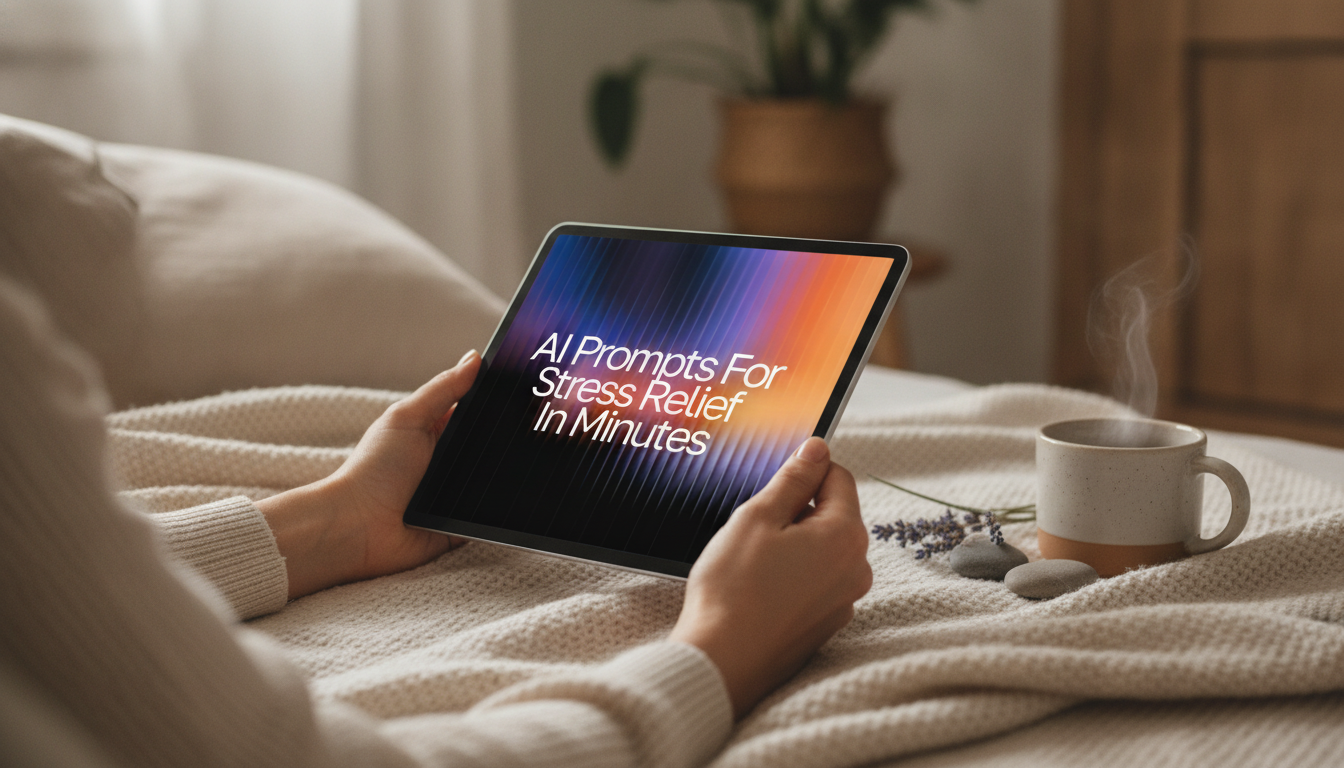
Instant Calm in Minutes: A Digital Guide to Breathing, Mindfulness, and a Simple Meditation Routine
Stress can spike fast—before a meeting, after a difficult message, or at the end of a long day. A short, structured reset can help the body downshift and make the next step feel manageable. The goal isn’t to force relaxation; it’s to create a small gap between the trigger and the reaction. Below are quick breathing patterns, grounding methods, and a repeatable routine that fits into 2–10 minutes, plus an optional way to keep your practice consistent with a ready-to-use script library.
When stress hits: what changes in the body
Stress often shows up physically before it becomes a clear thought. Common signs include shallow breathing, a tense jaw or shoulders, racing thoughts, irritability, a sense of urgency, or difficulty focusing. The nervous system is doing what it’s designed to do—mobilize energy for “threat”—even if the threat is an inbox or a social situation.
Why do minutes matter? Because short interventions can interrupt the stress loop long enough to shift from reacting to responding. A simple goal for quick relief is to slow the exhale, soften muscle tension, and anchor attention to one sensory cue. For more background on how stress affects the body, the American Psychological Association offers a clear overview.
A 3-minute reset that works almost anywhere
This is designed for real life: a parking lot, a break room, the bathroom at a restaurant, or your desk with your eyes open.
Step 1 (30 seconds): posture check
Place both feet on the floor. Unclench your jaw. Let your tongue rest easily (no pressing). Drop your shoulders as if they’re melting down your back. If you can, lengthen your spine slightly—no rigidity.
Step 2 (90 seconds): breathing
Inhale gently through the nose. Exhale a little longer than the inhale. Keep it comfortable—no gulping, no forcing. If you lose the count, that’s fine; just return to a softer, slower exhale.
Step 3 (60 seconds): grounding
Name 3 things you can see, 2 things you can feel (the chair, your socks, cool air), and 1 sound you can hear. Then return to your longer exhale for a few more breaths.
If dizziness occurs, reduce intensity immediately: breathe normally and simply lengthen the exhale by a tiny amount. The NHS breathing exercises guide also emphasizes gentle pacing and comfort.
Breathing patterns for different stress moments
Different stress states respond to different “dials.” Use these as adaptable templates rather than rules.
- For rapid nervous energy: box-style pacing (equal inhale/hold/exhale/hold), kept gentle and brief.
- For tight chest or anxious spirals: extended exhale breathing (exhale longer than inhale) to encourage downshifting.
- For racing thoughts before sleep: slow breathing with a soft counting focus; keep the breath quiet and easy.
- For tension headaches: pair slower breathing with a forehead/temple softening cue and relaxed shoulders.
| Time | Technique | How to do it | Best for |
|---|---|---|---|
| 1–2 min | Extended exhale | Inhale comfortably, exhale a little longer; repeat without strain | Immediate anxiety spikes, overwhelm |
| 2–4 min | Grounding scan | 3 things seen, 2 felt, 1 heard; return to breath | Racing thoughts, feeling “unreal” or scattered |
| 3–5 min | Box-style pacing | Gentle equal counts; stop if uncomfortable | Restlessness, agitation, pre-performance nerves |
| 5–10 min | Simple seated meditation | Breath + one phrase (e.g., “in… out…”); notice and return | Building consistency, stress resilience |
A repeatable 7-minute meditation routine builder
This routine works because it’s specific and forgiving. You’re not aiming for a blank mind—you’re practicing returning.
- Minute 1: arrive. Sit or stand comfortably. Choose one anchor: the breath, a steady sound (fan, HVAC), or a point of contact (feet on floor).
- Minutes 2–4: regulate. Slow the exhale. Track physical sensations of breathing (airflow at the nostrils, the rise/fall of the belly).
- Minutes 5–6: observe. When thoughts pull you away, label them “thinking” and return to the anchor without debating the content.
- Minute 7: close. Name one next step (drink water, send one message, start one task) to prevent re-escalation.
If tension is the main symptom, add a brief body scan: soften the forehead, relax the jaw, drop shoulders, loosen hands, and let the belly be unbraced. For an evidence-based overview of mindfulness and meditation, see the National Center for Complementary and Integrative Health (NCCIH).
Using AI-assisted scripts to make stress relief feel personal
For a ready-to-use library designed around quick calm, consider the AI Prompts for Stress Relief in Minutes digital guide, which is built for 2–10 minute resets and repeatable routines.
What to expect: realistic results and how to know it’s working
Optional comfort upgrades for a calmer environment
- Infrared Sauna for One Person: a dedicated space can support a consistent decompression ritual (especially after workouts or high-demand days).
- 60-Inch Wall-Mounted Electric Fireplace Heater with App Control & Remote: steady warmth and a cozy visual focal point can pair well with a 7-minute seated routine.
FAQ
How fast can breathing exercises reduce stress?
Many people notice a shift within 1–3 minutes, especially when the exhale is gently longer than the inhale. Keep the breath comfortable and unforced; results vary depending on the situation and your current stress level.
What’s a simple breathing pattern for anxiety in the moment?
Try extended exhale breathing: inhale comfortably, then exhale slightly longer for several rounds, and add one grounding cue (like naming three things you see). If you feel lightheaded, stop and return to normal breathing with a softer pace.
Can a short daily meditation routine help long-term stress?
Yes—consistent 5–10 minute practice can improve stress resilience over time by training attention and helping the body downshift more easily. A repeatable routine (arrive, regulate, observe, close) makes it easier to stick with it and notice what helps most.














Leave a comment