Multi-Cat Outdoor Enclosure: Platforms & Flexible Shape
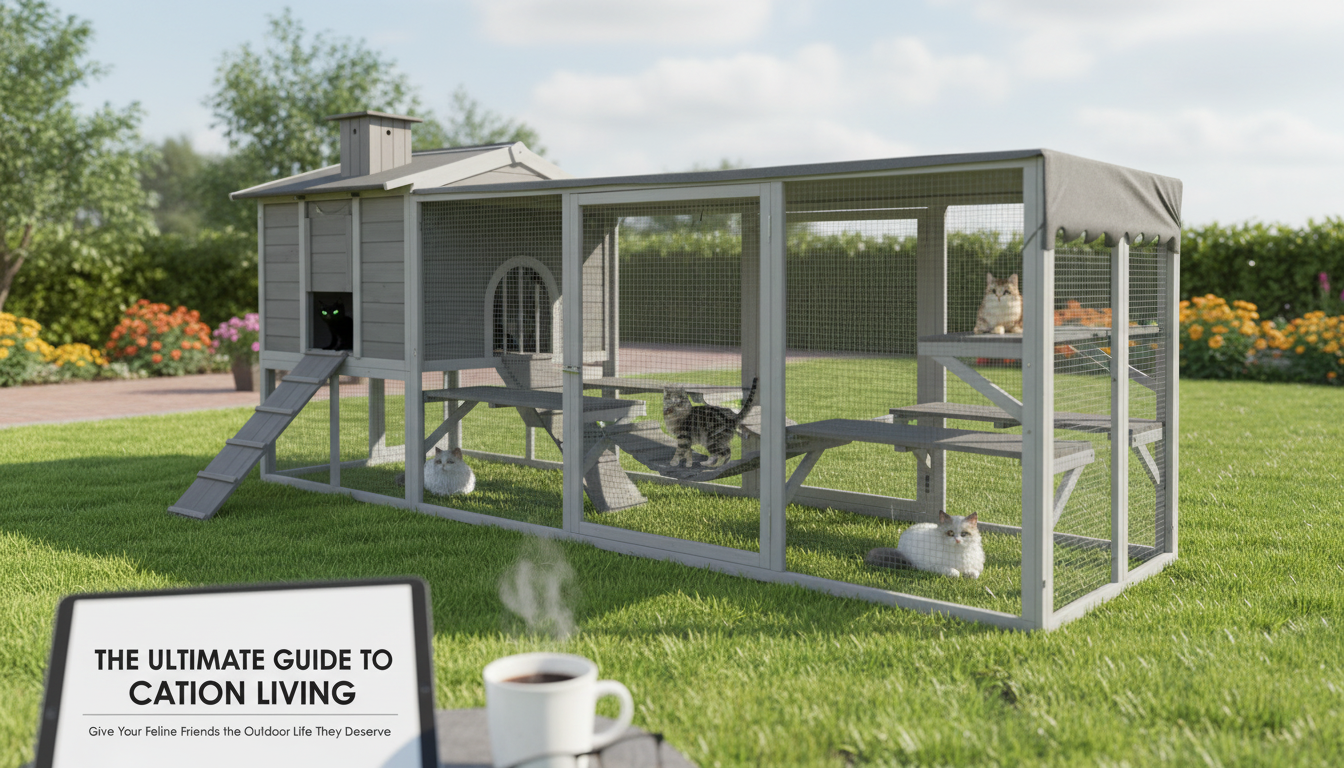
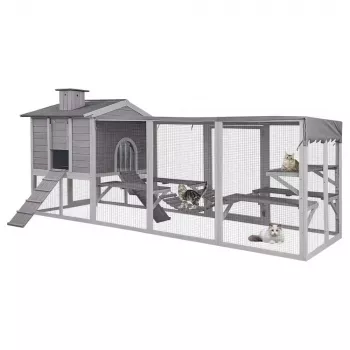
Outdoor Cat Enclosure with Platforms & Deformation Design for Multi-Cat Play
An outdoor enclosure can expand a cat’s world while keeping playtime safer and more controlled. This design adds elevated platforms and a flexible layout so multiple cats can climb, perch, and move around with fewer bottlenecks—especially helpful for active households, shared yards, patios, or garden corners. It’s a practical way to offer fresh air, new sights, and supervised-style outdoor time without the risks of free-roaming. For more guidance, see [PDF] Risk Management Series – Design Guide – FEMA.
What This Enclosure Is Built to Do
The goal is simple: create a dedicated outdoor area where cats can lounge, climb, and explore while staying contained. For multi-cat homes, platforms matter because they add vertical separation—giving cats different “zones” to rest, watch, and pass each other without constant contact. For further reading, see [PDF] ASV Guidelines for Standards of Care in Animal Shelters – ASPCApro.
- Provide an outdoor space for controlled lounging, climbing, and exploration without free-roaming.
- Support multi-cat use with elevated platforms that create separation and reduce crowding.
- Use a deformation (reconfigurable) design to adjust the shape and footprint to match your space.
- Help reduce boredom by offering a change of scenery, fresh air, and elevated viewpoints.
For broader safety context on why many households choose controlled outdoor time rather than unsupervised roaming, see guidance from the American Veterinary Medical Association (AVMA) and the ASPCA.
Platforms: Vertical Space That Reduces Tension
Vertical space changes the “traffic pattern” between cats. Instead of competing for one favorite spot, cats can choose different heights for different moods—watching birds from above, taking a mid-level break, or chasing toys at ground level. This can be especially useful when you have a confident explorer and a shy observer sharing the enclosure at the same time.
- Multiple levels encourage natural behaviors: climbing, surveying, and resting off the ground.
- Vertical routes can reduce conflict by letting one cat pass without face-to-face encounters.
- Perches support “time-sharing” so timid cats can observe while confident cats explore.
- Spreading favorite items across levels helps reduce resource guarding and crowding.
| Platform/Zone | Best Use | Tip for Multi-Cat Homes |
|---|---|---|
| Upper perch | Birdwatching and lounging | Reserve as a quiet zone for timid cats during busy times. |
| Mid-level platform | Play breaks and short naps | Add a washable mat to reduce slipping and scent-marking stress. |
| Ground level | Exploring and toy chasing | Place two toy types to prevent resource guarding. |
Deformation Design: Fit the Space You Actually Have
Not every home has a perfect rectangle of patio space. A reconfigurable enclosure helps you adapt the footprint to the layout you have—along a wall, around a corner, or tucked into a side yard. That flexibility can also help you manage sun and shade as the day changes, rather than locking your cats into one exposure pattern.
- Reconfigurable layouts can adapt to patios, side yards, or irregular corners without sacrificing usable play space.
- Adjusting the footprint can help balance sun and shade across the day.
- Occasional layout changes can refresh interest for cats that get bored with routine.
- Plan a clear access path for feeding, cleaning, and quick visual checks.
A practical approach is to start with a “wide and open” layout for introductions, then tighten or reshape once you’ve learned where cats prefer to perch, nap, or pace.
Placement and Comfort: Shade, Wind, and Ground Prep
Where you place an enclosure affects comfort as much as the enclosure itself. Cats often prefer partial cover—enough sun for warmth, enough shade to cool down, and protection from steady wind. A stable base also helps doors align properly and reduces gaps at the edges.
| Check | Why It Matters | Quick Fix |
|---|---|---|
| Level base | Stability and door alignment | Use pavers or a leveling mat. |
| Shade access | Heat safety and comfort | Umbrella, canopy, or partial placement under eaves. |
| Drainage | Dry footing and hygiene | Avoid low spots; add gravel underlayment. |
| Low escape risk | Fewer gaps and safer door use | Keep away from fences/ledges cats could jump to. |
Safety Considerations for Outdoor Enclosures
Enrichment Ideas for Multiple Cats
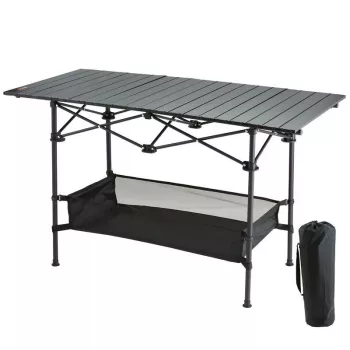
If you’re setting up an outdoor session with treats, toys, and cleaning supplies, a nearby surface can make the routine smoother. A Portable Folding Camping Table can help keep items off the ground and within easy reach during supervised playtime.
Care and Upkeep
Product Snapshot
If vertical zoning and flexible placement are priorities, the Outdoor Cat Enclosure with Platforms & Deformation Design for Multi-Cat Play is designed to support shared sessions with less crowding. It’s a strong fit for households that run scheduled outdoor time, rotate enrichment, and want the freedom to adapt the layout as seasons or patio furniture change.
| Item | Detail |
|---|---|
| Product | Outdoor Cat Enclosure with Platforms & Deformation Design for Multi-Cat Play |
| Price | 528.17 USD |
| Availability | In stock |
| Recommended use | Outdoor play and lounging with vertical platforms; multi-cat friendly zoning |
FAQ
How many cats can use the enclosure at the same time?
Comfort depends on your cats’ size, activity level, and how many platforms and “zones” are available. Introduce cats gradually, ensure multiple resting levels, and spread out enrichment stations so no single area becomes a bottleneck.
Can this be left outdoors year-round?
That depends on your local weather and how consistently it’s inspected and cleaned. Routine checks help, but cats should be brought indoors during extreme heat, cold snaps, or storms, and they should always have shade and a dry refuge during outdoor sessions.
Where is the safest place to set up an outdoor cat enclosure?
Choose a level surface with partial shade and good drainage, and keep it away from fence lines or climbable structures that could create escape routes. Use secure latching every time and supervise the first few sessions to confirm stability and safe cat traffic patterns.














Leave a comment