Folding Ladder + Scaffold Boards: Safer Platform Access
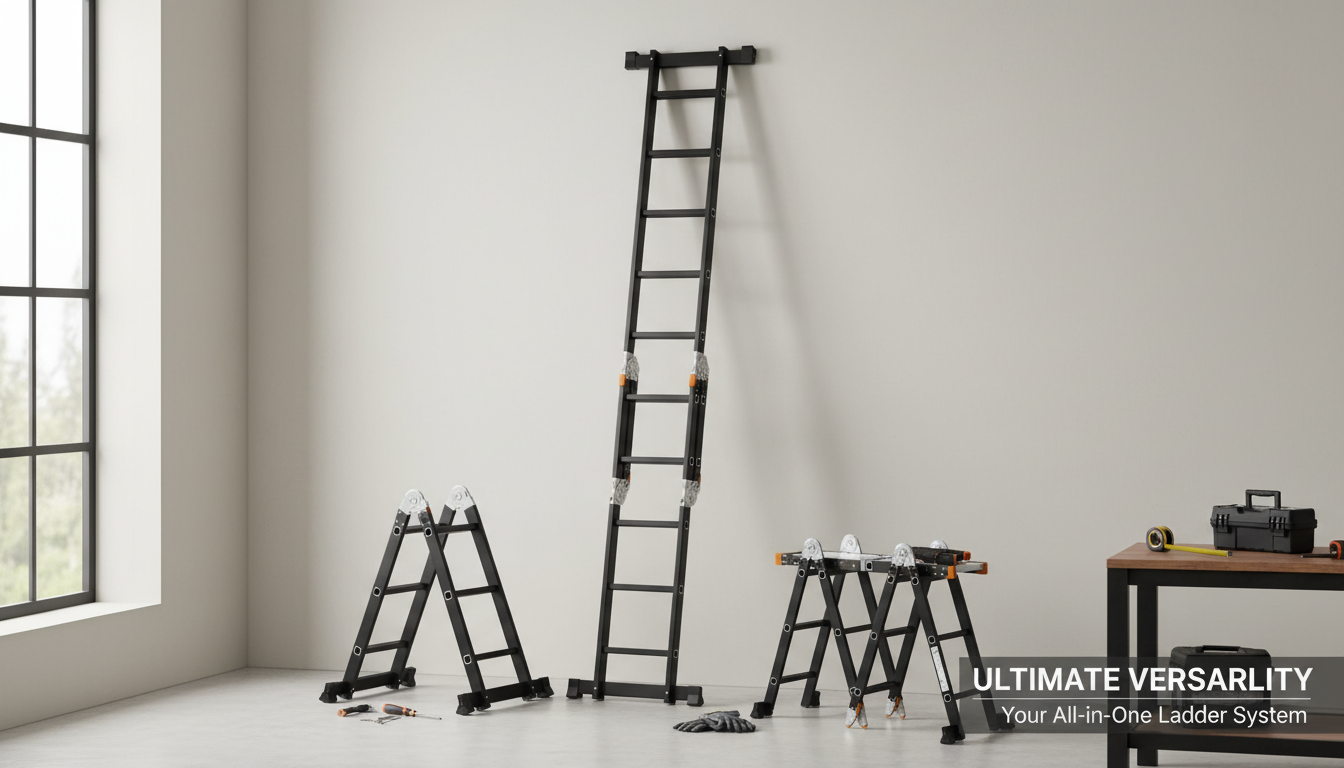
Multi-Purpose Folding Ladder with Scaffold Boards: Flexible Access for Repairs, Painting, and Projects
A multi-position folding ladder that pairs with scaffold boards can cover a surprising range of household and light jobsite needs—without dedicating floor space to multiple single-use tools. By switching between step-ladder, leaning, and platform-style setups, it can support quick reach tasks and longer projects where comfort and stability matter. Below are the most common configurations, what to look for before buying, and practical safety habits that help the ladder-and-board system work the way it’s intended.
What This Ladder-and-Board Setup Is Designed to Do
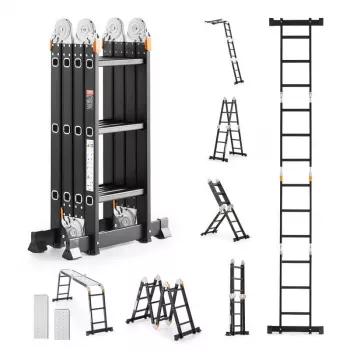
This style of system combines a multi-position folding ladder with scaffold boards to create both a climbing tool and a wider working platform. The big advantage is fast changeovers: you can set it as a step ladder for quick access, adjust it for extension-style reach (when the product design allows), or create a platform for longer tasks like painting or ceiling repairs.
With boards spanning between supports, you get a larger standing area that can reduce constant repositioning—especially during wall painting, drywall touch-ups, window work, and installing multiple fixtures in a line. When the job is done, everything folds down into a compact footprint that’s typically easier to store in a closet, shed, or vehicle trunk than bulky fixed scaffolding.
Common Configurations and When Each Makes Sense
A-frame / step-ladder mode
Best for quick indoor tasks like changing bulbs, hanging curtains, installing smoke detectors, or touching up trim. It’s also a go-to for “up-and-down” work where the setup time needs to be minimal.
Straight / leaning mode (when permitted by the design)
Useful for exterior reach—gutters, tall siding sections, or roofline access—when the ladder’s instructions explicitly allow a leaning configuration. Angle and footing matter more here, and it’s not the right mode for every folding ladder.
Platform mode with scaffold boards
Ideal for projects that move side-to-side: painting a wall section, staining along a fence line, or handling ceiling repairs where standing on narrow rungs becomes tiring. A wider platform can reduce foot fatigue and help keep your balance steady while you focus on the work.
Workbench / low platform mode
In a garage or workshop, a low platform setup can function like a temporary staging surface for organizing tools and materials at a convenient height. If sanding or prep work is involved, keep the ladder out of the cutting path and avoid using it as a saw stand or impact surface.
Staircase or uneven-ground adjustments (if supported)
Some multi-position ladders allow leveling on stairs or split-level entries. This can be a major help for stairwell painting and fixtures near landings—but only when the model’s locks and adjustment features are designed for it. Extra lock checks are essential.
Quick Comparison: Ladder vs. Platform Work
Platform work can improve comfort and reduce repeated climbs by giving you a wider stance. Ladder-only positioning is often faster for short, intermittent tasks, but can be tiring for longer sessions. If the job requires moving laterally—rolling paint, installing multiple lights, or patching a seam—a scaffold board platform is usually the more efficient option.
| Task | Best setup | Why it helps | Extra precautions |
|---|---|---|---|
| Painting a long wall | Platform with scaffold boards | Less repositioning; stable stance for rolling | Ensure boards are rated; keep center of mass between supports |
| Replacing a ceiling light | A-frame/step mode | Fast setup; easy access | Lock hinges fully; avoid overreaching |
| Cleaning gutters | Straight/leaning mode | More vertical reach | Follow angle guidance; maintain three points of contact |
| Drywall patching along a seam | Platform with scaffold boards | Comfortable working height and lateral movement | Do not exceed platform/load rating; keep tools secured |
| Stairwell painting | Stair-adjustable configuration (if supported) | Levels the user position on steps | Double-check level/locks; use spotter when possible |
What to Check Before Buying or Setting Up
Load rating: Confirm the ladder’s duty rating and the scaffold boards’ rating, then treat the lowest-rated component as the overall system limit (including your body weight, tools, and materials).
Working height: A ladder’s physical height isn’t the same as your safe reach. Estimate based on your height plus comfortable arm reach—without standing on prohibited steps or leaning beyond the rails.
Safety Essentials for Ladder-and-Scaffold Use
For additional guidance, consult authoritative ladder safety resources from OSHA, the American Ladder Institute, and the U.S. Consumer Product Safety Commission.
Practical Use Cases Around the Home and Jobsite
Recommended Gear From Our Store
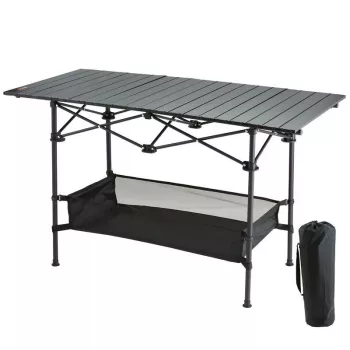
If you want one setup that can shift from quick indoor access to a wider platform for longer projects, consider the Multi-Purpose Folding Ladder with Scaffold Boards. For staging tools and supplies nearby during prep and paint work, a compact surface like the Portable Folding Camping Table can help keep items off the platform and reduce clutter underfoot.
Care, Storage, and Longevity Tips
FAQ
Can scaffold boards be used on any folding ladder?
Only use boards that are designed and rated for the ladder’s platform configuration and support points. Improvised boards can slip, flex unexpectedly, or fail under load, so confirm compatibility and load limits in the product instructions.
How is working height different from ladder height?
Working height is the approximate height your hands can comfortably reach while standing safely, which depends on your height and stance. Ladder height describes the tool’s physical size and doesn’t automatically equal safe reach.
What’s the safest way to use the platform for painting?
Lock all hinges, set up on a level surface, keep your weight centered between supports, and secure tools in a tray or pouch. Reposition the platform instead of leaning sideways to reach the next area.













Leave a comment