Smart Toilet for Low Water Pressure: Strong Flush & Auto
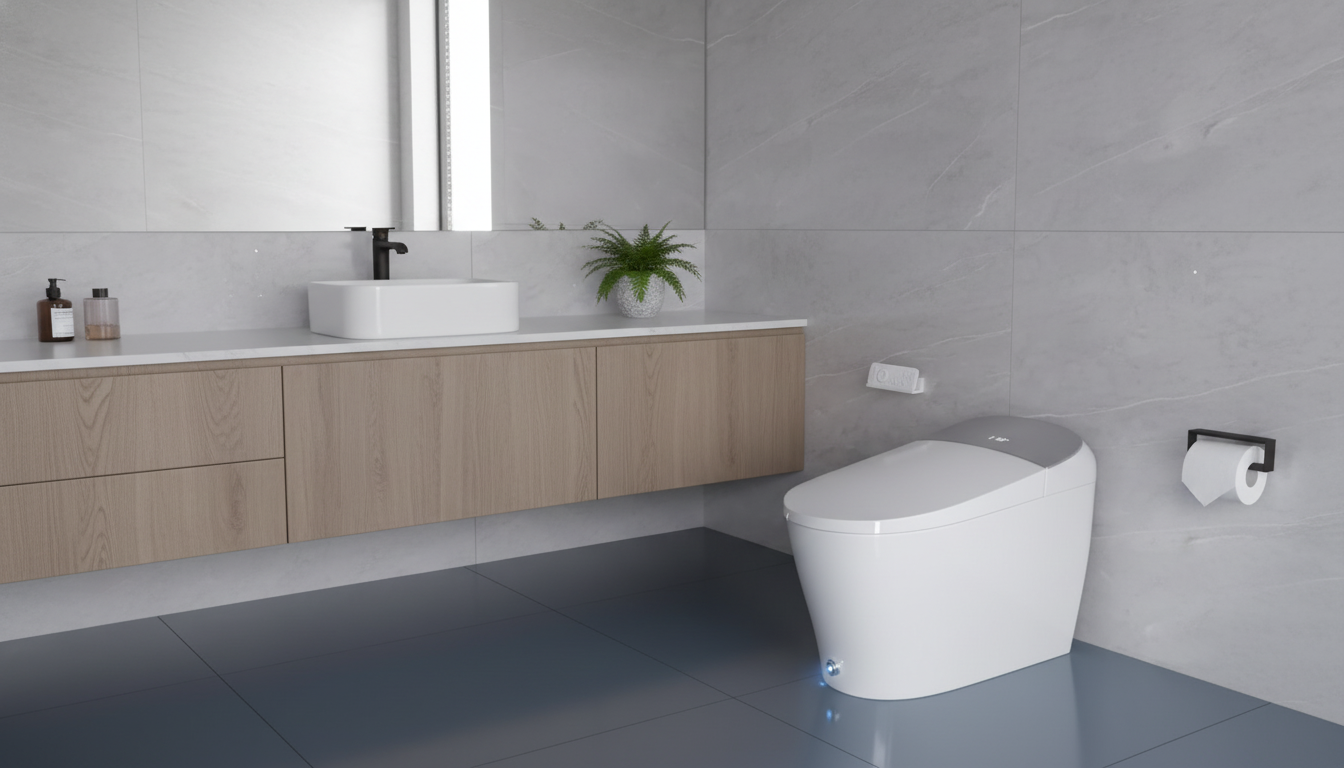
Smart Toilet Built for Low Water Pressure: Powerful Flush and Hands-Free Comfort
Low water pressure can turn everyday flushing into a repeat-and-pray routine. A smart toilet designed for weak supply lines solves that with a pressure-assisted-style flush approach, automated lid and flushing, and comfort upgrades like heated seating and bidet washing—without requiring a full plumbing overhaul in many homes. Below is what matters most, what to check before buying, and how to get the strongest, most consistent performance after installation.
Why low water pressure makes toilets struggle
Most toilets don’t “flush with pressure” from the supply line in real time—they flush with stored water, and low pressure often means that stored water doesn’t refill quickly or consistently. When the refill is compromised, performance starts to slip in ways that feel random day to day.
- Weak refill rate: A slow tank or internal reservoir refill reduces the energy available for a complete flush, especially if the toilet is used again soon.
- Poor bowl evacuation: Low flow can fail to carry waste through the trapway, increasing clogs and the need for double-flushing.
- Inconsistent performance: Pressure fluctuations (multi-story homes, shared lines, well systems) can cause unpredictable results even when nothing “looks” wrong.
- Hidden causes: Partially closed shutoff valves, clogged fill valves, mineral buildup, undersized supply lines, and old angle stops can mimic low-pressure problems.
If your bathroom is on an upper floor or you’re in an older condo, it’s common to have “borderline” pressure that works for a sink but struggles with toilet refills.
What “powerful flush” means in a smart toilet for weak supply lines
A powerful flush in a low-pressure home is less about dumping more water and more about using the available water efficiently and consistently. Smart toilets that perform well under constraint usually combine better hydraulics with controlled, repeatable flush behavior.
- Optimized trapway design: A well-shaped, larger trapway reduces resistance and helps move waste even when incoming pressure is modest.
- Jet-assisted bowl wash: Targeted rim and jet outlets push water where it does the most work instead of relying on volume alone.
- Consistent flush logic: Some smart toilets regulate flush timing so the flush starts only when internal water conditions are ready.
- Anti-clog engineering: Smoother glazing, better siphon action, and a strong initial surge can reduce the chance of stoppages.
- Real-world signal: Fewer “second flushes” is usually a better indicator than marketing labels.
Low-pressure performance checklist
| What to look for | Why it helps | What to confirm before ordering |
|---|---|---|
| Efficient trapway and strong siphon/jet action | Moves waste with less reliance on high supply pressure | Verify the toilet is described as suitable for low water pressure |
| Stable internal flushing system | Reduces weak or incomplete flushes during pressure dips | Confirm power requirements and any backup/manual flush options |
| Quality fill components and filtration tolerance | Prevents slow refills from sediment/minerals | Check whether a pre-filter is recommended for well water |
| Easy access to service parts | Keeps performance high over time | Ensure replacement seats/filters/nozzles are available |
| Professional installation compatibility | Avoids leaks and performance loss | Confirm rough-in size, outlet type, and power outlet location |
Auto features that matter day to day
Once the flush is handled, the best part of a smart toilet is the “no-fuss” routine: fewer touchpoints, more comfort, and features that feel natural instead of gimmicky.
- Automatic lid and seat: Touch-free opening/closing reduces contact and helps the bathroom feel more hygienic.
- Hands-free flushing: Auto flush triggered after use can be more consistent than partial manual flushes.
- Heated seat: A comfort upgrade that’s especially noticeable in colder climates or tiled bathrooms.
- Bidet wash functions: Adjustable water temperature/pressure, nozzle positioning, and oscillation add comfort and cleanliness.
- Warm air drying: Reduces reliance on toilet paper and can help users with sensitivity.
- Deodorization and night light: Small features that improve daily use without changing habits.
- Safety and convenience: Soft-close mechanisms and user-presence sensing help prevent unwanted activation.
Installation and compatibility checks (before the box arrives)
For efficiency benchmarks and fixture guidance, it can help to review EPA WaterSense toilet resources and general plumbing code information from organizations like IAPMO.
Getting the best flush with low water pressure
If you’re comparing fixture build standards, an overview of ceramic fixture requirements can be found via ASME A112.19.2 / CSA B45.1 resources.
Product spotlight: Smart Toilet with Powerful Flush and Auto Features for Low Water Pressure
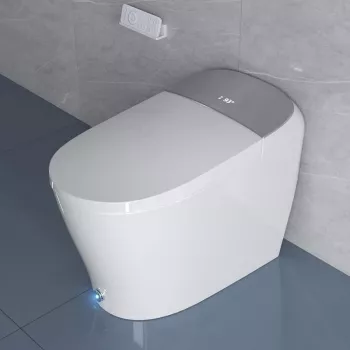
If improving the building’s water pressure isn’t realistic, choosing a toilet engineered to perform better under constraint can make the biggest day-to-day difference. The Smart Toilet with Powerful Flush and Auto Features for Low Water Pressure is designed to address weak supply conditions with a strong, reliable flush approach that reduces the need for repeat flushing.
More in-stock picks
- Portable Folding Camping Table (easy extra surface for home projects, DIY setups, or travel)
- The Smart Traveler’s Guide to Global Etiquette | Digital Download eBook
- Colorful Quiet Luxury Palettes Checklist | Digital Download Guide
FAQ
Will a smart toilet work in a home with low water pressure?
Yes—if the unit is designed for weak supply conditions. Results also depend on basics like a fully open shutoff valve, a clean supply line, and proper installation; if flushing seems weak, check the fill rate and clean any inlet screen/filter.
Does a powerful flush mean it uses more water?
Not necessarily. Strong flushing can come from better bowl jets, an efficient trapway, and controlled flush timing rather than higher volume, and the most practical sign is fewer double flushes.
What do you need to install a smart toilet with auto features?
Typically you’ll need a compatible rough-in, a working water supply connection, and a nearby GFCI electrical outlet. Many homes also benefit from replacing an old shutoff valve or kinked supply line to prevent flow restriction.















Leave a comment