Tankless Water Heater GPM: How Many for Your House?
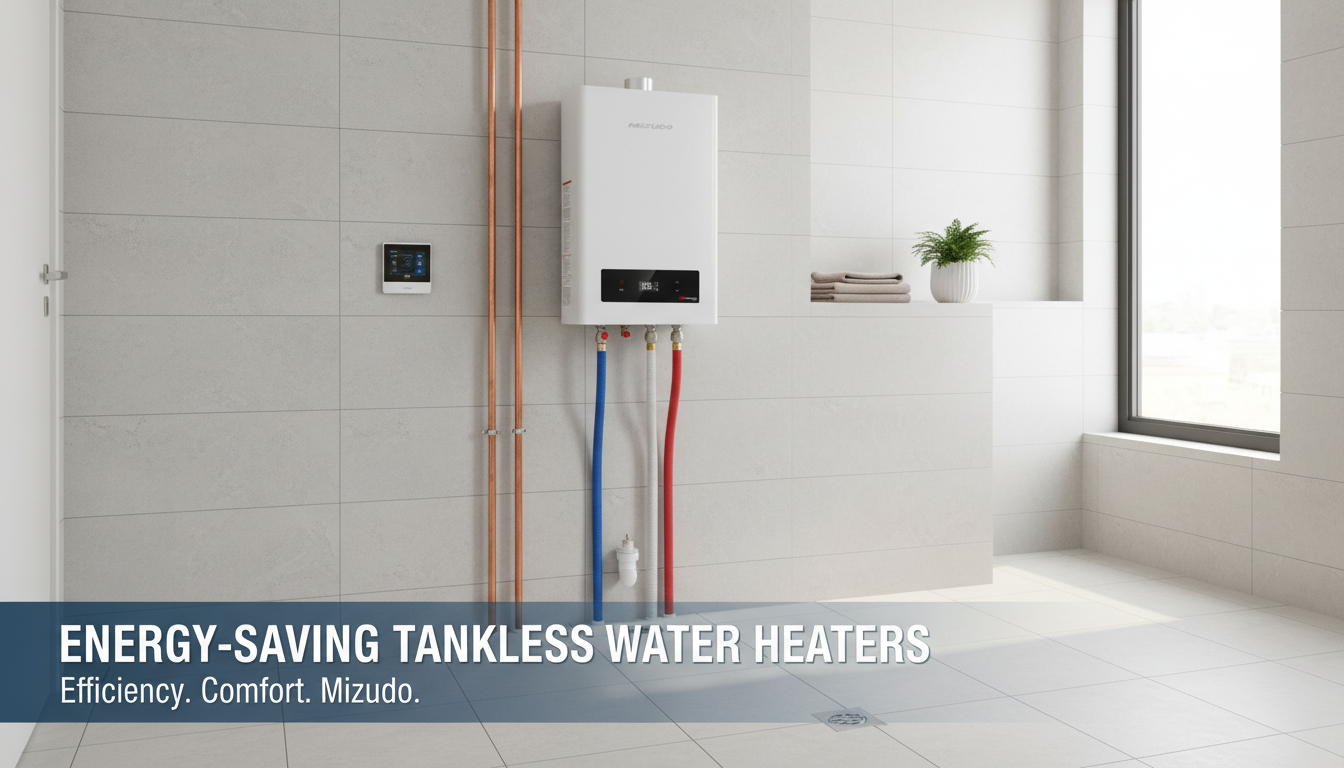
How many GPM tankless water heaters for house?
The right GPM (gallons per minute) for a whole-house tankless water heater depends on how many hot-water fixtures can run at the same time and how much your incoming water temperature needs to be heated. Most homes land somewhere between about 5 and 11+ GPM, but the “right” number is the one that covers your busiest usage moment without running out of hot water.
How to estimate the GPM your house needs
Start by listing the hot-water uses that might overlap in real life (not every fixture in the home). Then add their typical flow rates:
- Shower: ~1.8–2.5 GPM (some rainfall heads higher)
- Bathroom faucet: ~0.5–1.0 GPM
- Kitchen faucet: ~1.0–2.2 GPM
- Dishwasher: ~1.0–2.0 GPM (varies by fill cycle)
- Clothes washer: ~1.5–3.0 GPM (varies by model and fill)
Example: two showers (2.0 + 2.0) plus a kitchen faucet (1.5) equals about 5.5 GPM. If your household often runs three showers at once, you may be closer to 7–9 GPM depending on showerhead flow.
Why climate changes the GPM you actually get
Tankless heaters are rated at a certain temperature rise. If groundwater is cold (common in northern states), the unit may deliver less GPM at your desired hot-water temperature than the box suggests. Warmer climates generally allow higher real-world GPM from the same model.
Don’t separate GPM from BTU
GPM is only half the sizing picture; BTU capacity determines whether the heater can maintain that flow at the needed temperature rise. For a deeper, step-by-step sizing approach (including GPM and BTU), see this tankless gas water heater sizing guide.
When one unit isn’t enough
Larger homes with multiple bathrooms or high simultaneous demand may need either a higher-capacity condensing model, a dedicated unit for a luxury shower/tub, or two tankless heaters installed in parallel. That’s most common when you’re trying to support several showers plus appliances at the same time.
FAQ
What size gas line do I need for a tankless water heater?
Many whole-house gas tankless units require a larger gas line than a tank model because of higher BTU demand. The correct size depends on total BTU load, pipe length, and other appliances, so it’s typically verified with a gas-line sizing chart or a licensed installer.













Leave a comment