Indoor Gas Tankless Sizing: Match 5.1 GPM & 120k BTU
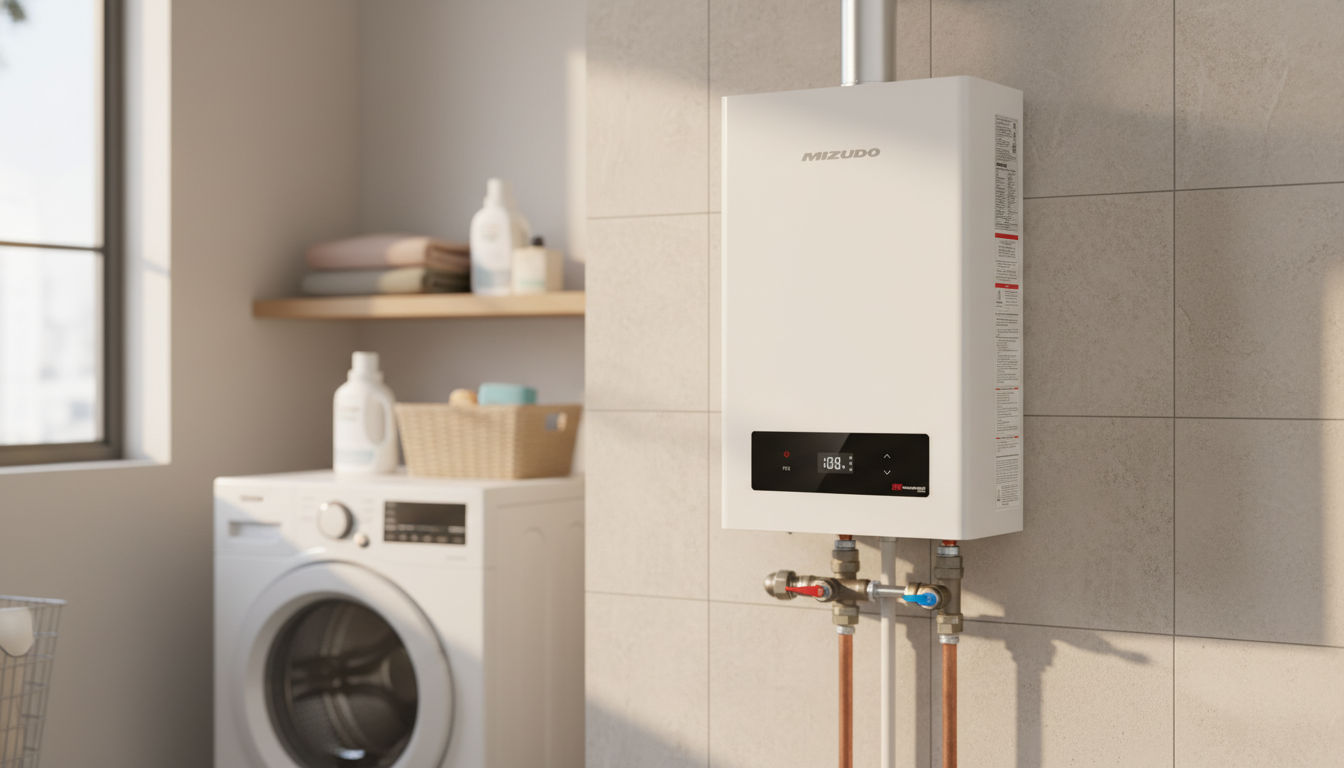
Tankless Natural Gas Water Heater for Indoor Use: Matching GPM and BTU to Your Home
Choosing an indoor tankless natural gas water heater comes down to two numbers that must work together: flow rate (GPM) and heating capacity (BTU). When those figures match your household’s peak demand and your local inlet-water temperature, you get consistent showers, faster recovery than a tank, and less standby energy use. When they don’t, the result is often lukewarm water during “everyone’s-home” hours. Below is a practical sizing guide, key indoor installation details, and what to expect from a 5.1 GPM, 120,000 BTU model in real use.
What GPM and BTU Mean for Everyday Hot Water
GPM (gallons per minute) is the amount of hot water the unit can deliver at a specific temperature rise. A “temperature rise” is the difference between incoming water temperature and your set outlet temperature. As the needed temperature rise increases (colder incoming water or a hotter setpoint), the available GPM drops.
BTU (British Thermal Units) refers to the heater’s maximum fuel input. In general, higher BTU supports either more flow, a higher temperature rise, or both. That said, real-world performance also depends on correct gas supply, venting, and water conditions (like scale buildup).
Incoming water temperature varies significantly by region and season. A home with 55°F inlet water has a very different demand than a home with 40°F inlet water, even if both want 120°F at the tap. Typical indoor draws include showers, bathroom sinks, kitchen sinks, dishwashers, and washing machines.
| Fixture/Use | Typical Flow (GPM) | Notes |
|---|---|---|
| Shower | 1.5–2.5 | Low-flow heads trend toward the lower end |
| Bathroom sink | 0.5–1.0 | Handwashing is usually intermittent |
| Kitchen sink | 1.0–2.2 | Higher when filling pots or rinsing dishes |
| Dishwasher | 0.5–1.5 | Varies by model and cycle |
| Clothes washer | 1.0–2.0 | Hot-water demand depends on settings |
Is 5.1 GPM and 120,000 BTU the Right Size?
A 5.1 GPM rating is often a comfortable match for one to two simultaneous draws in many homes—especially when at least one draw is intermittent (like a sink) and fixtures are efficient. The 120,000 BTU capacity sits in a practical mid-range for indoor units aimed at small-to-medium households or as a “zone” heater serving a cluster of nearby fixtures.
| Scenario | Likely Fit for 5.1 GPM / 120,000 BTU | Sizing Tip |
|---|---|---|
| 1 shower + 1 sink | Good | Set a stable outlet temp and use low-flow fixtures |
| 2 showers (simultaneous) | Depends | Works best with warmer inlet water and efficient showerheads |
| Shower + dishwasher | Often good | Avoid adding a third large draw during peak use |
| 3+ simultaneous draws | Often tight | Consider higher BTU, multiple units, or staggered usage |
Indoor Installation Essentials (Venting, Gas, Water, and Power)
Venting and combustion air
Gas supply capacity
Water connections, service valves, and sediment control
Electrical and condensate considerations
| Item | What to Confirm | Why It Matters |
|---|---|---|
| Venting path | Approved vent type and termination location | Safety and proper exhaust removal |
| Gas line capacity | Pipe size, length, and other gas appliances on the line | Prevents pressure drop and performance issues |
| Water shutoffs | Isolation/service valves installed | Enables descaling and repairs without major downtime |
| Mounting location | Clearances and access to controls | Required for service and safe operation |
| Local code permits | Permit/inspection requirements | Compliance and insurance protection |
Performance Expectations: Temperature Rise and Comfort
For more background on how demand-type heaters operate and what affects efficiency, see the U.S. Department of Energy overview: Tankless or Demand-Type Water Heaters.
Safety, Maintenance, and Longevity
Because fuel-burning appliances can produce carbon monoxide if conditions are unsafe, install carbon monoxide alarms per recommendations and local requirements. The U.S. Consumer Product Safety Commission provides guidance here: Carbon Monoxide Information Center. If your home has hard water, a softener or scale-control approach can reduce maintenance and help sustain efficiency.
Product Option: 5.1 GPM, 120,000 BTU Indoor Tankless (Natural Gas)
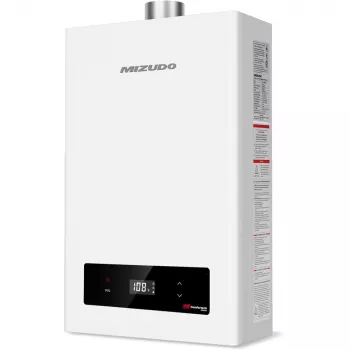
If you’re aiming for light-to-moderate whole-home demand (or a multi-fixture zone), the Tankless Natural Gas Water Heater, 5.1 GPM, 120,000 BTU, Indoor Use is designed for indoor installation where natural gas is available and proper venting can be installed. Best results come from matching the unit to your peak simultaneous use and accounting for local inlet-water temperatures before purchase or scheduling a contractor.
More in-stock picks
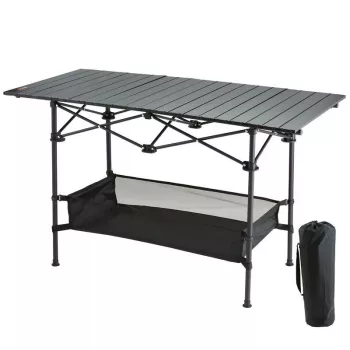
- Portable Folding Camping Table
- The Smart Traveler’s Guide to Global Etiquette | Digital Download eBook for Cultural Tips, Travel Etiquette, and International Manners
FAQ
Can a 5.1 GPM indoor tankless heater run two showers at the same time?
It depends on your incoming water temperature and the outlet temperature you want. Two efficient showers may work well with warmer inlet water, while colder inlet temperatures can reduce the total hot-water flow available.
What size gas line is needed for a 120,000 BTU tankless water heater?
Gas line sizing depends on total BTU load, pipe length, and other appliances sharing the line, so it should be verified to local code by a licensed installer. An undersized gas line can cause pressure drop, ignition issues, and lower output.
How often should an indoor tankless water heater be descaled?
A common schedule is every 6–12 months, but hard water or heavy use can require more frequent flushing. Follow the manufacturer’s descaling procedure and any local water-quality recommendations.














Leave a comment