French Retro Solid Wood Chandelier for Dining Tables
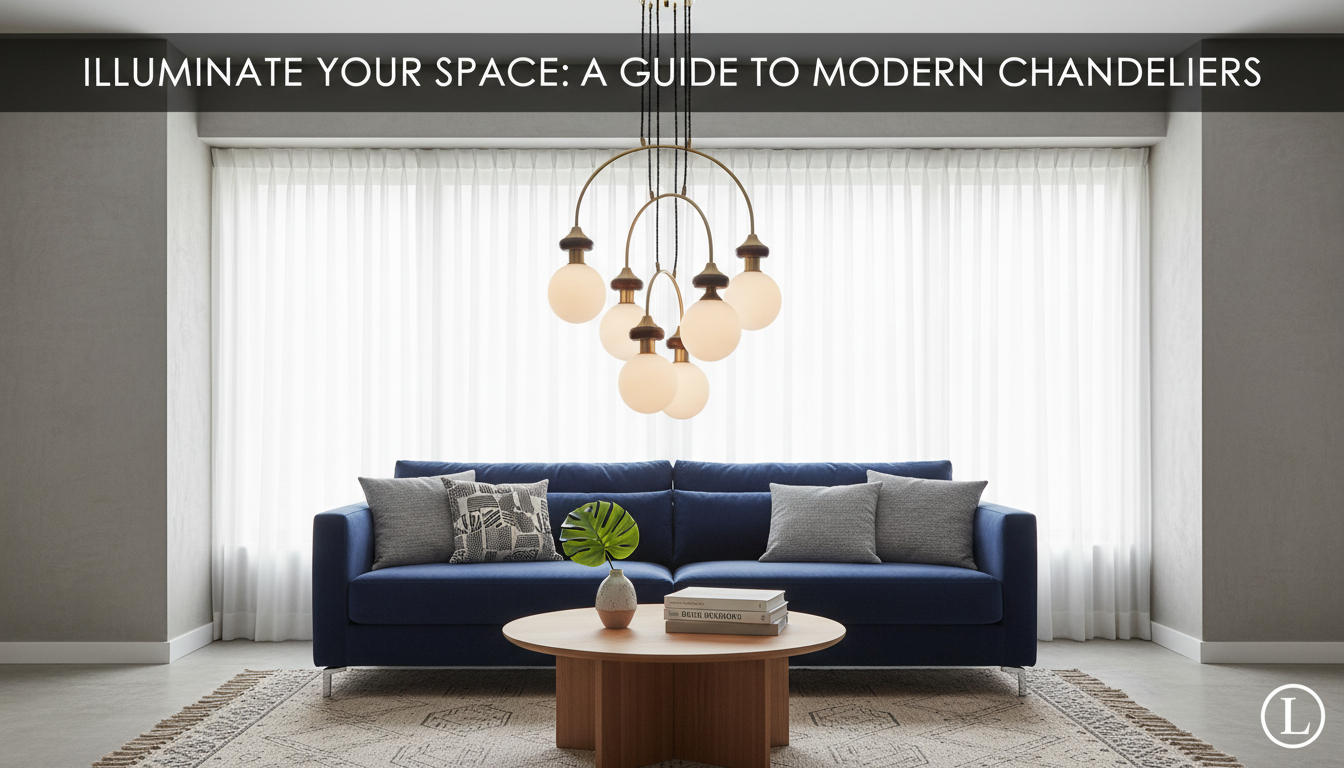
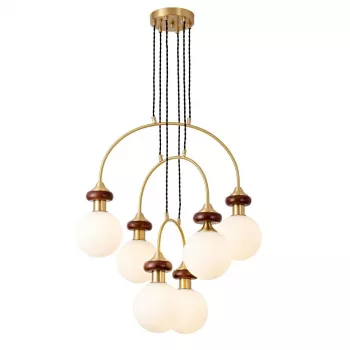
French Retro Solid Wood Chandelier Dining Table Pendant Light
A warm, old-world pendant light can change the entire feel of a dining space—softening hard surfaces, adding character, and defining the table as the room’s focal point. This French retro solid wood chandelier blends classic proportions with natural texture, making it a strong choice for dining rooms, breakfast nooks, and open-plan kitchens that need a statement piece without feeling overly formal.
What Makes the Look “French Retro”
French retro lighting tends to feel collected rather than curated. It borrows familiar chandelier cues—curved arms, balanced symmetry, and a graceful drop—then pairs them with finishes that look lived-in and comfortable.
- Traditional silhouette that reads timeless rather than trendy
- Natural wood element that adds warmth and patina-like character
- Balanced presence over a dining table: decorative, but still functional for everyday lighting
- Pairs well with vintage, farmhouse, rustic, and relaxed transitional interiors
If the goal is “inviting” instead of “showroom,” wood-forward chandeliers are an easy way to get there—especially when the rest of the room leans clean and modern.
Solid Wood as a Centerpiece Material
Wood is visually softer than metal, yet it still reads substantial overhead. The grain adds natural variation, so the fixture feels dimensional even when the room is minimally decorated.
- Wood grain brings depth that painted or all-metal fixtures can’t replicate
- Complements common dining materials: oak, walnut, marble, glass, and woven textures
- Helps visually “warm up” rooms with cool palettes (white walls, gray stone, black accents)
- Works especially well with natural daylight; looks richer at golden-hour and candlelight temperatures
For energy-conscious upgrades, pairing an efficient bulb with a warm material finish is a great combination. ENERGY STAR’s overview of efficient bulbs is a helpful reference when choosing LED options: ENERGY STAR Lighting.
Where It Works Best
This style is designed to “land” visually where people gather. Use it to anchor a zone, not just to fill an empty ceiling.
- Dining table pendant: centers the room and anchors seating
- Kitchen dining area: creates separation from the cooking zone in open layouts
- Breakfast nook: adds charm without needing multiple fixtures
- Entry or stair landing: a decorative statement when sized appropriately
In open-plan rooms, a chandelier over the dining table can make the layout feel intentionally “zoned,” even without walls.
Size, Hanging Height, and Placement Guidelines
Proportion and placement do most of the design work. When the fixture is centered on the table and hung at a comfortable height, it looks purposeful and provides better light on the dining surface.
- Center the fixture over the table (not the room) for the most intentional look
- Keep enough clearance for sightlines and conversation across the table
- Aim for a fixture width that feels proportionate to the tabletop so it doesn’t overwhelm edges
- In taller rooms, use a longer drop to keep the chandelier visually connected to the dining zone
Quick placement checklist
| Decision | Practical guideline |
|---|---|
| Over-table height | Common target: bottom of fixture roughly 30–36 inches above tabletop (adjust for ceiling height and fixture scale). |
| Centered position | Align with the table’s centerline; for extension tables, center to the “everyday” length or use a longer fixture that visually spans both sizes. |
| Table-to-fixture balance | Choose a size that leaves comfortable margin from table edges and keeps light focused on the dining surface. |
| Open-plan spaces | Use the chandelier to define the dining area; coordinate finishes with nearby pendants or hardware for cohesion. |
Light Quality for Dining: Bulbs, Brightness, and Color Temperature
Dining light should be flattering and flexible. A chandelier can be decorative, but it still needs to handle real life: homework at the table, weeknight meals, and weekend hosting.
- Warm white light supports a cozy dining mood; neutral white fits brighter, modern spaces
- Dimmable lighting gives flexibility: bright for tasks and softer for dinner
- Consider bulb shape and beam spread to avoid harsh hotspots on the tabletop
- If glare is a concern, choose bulbs and placement that keep direct lines of sight comfortable when seated
For deeper lighting guidance, the Illuminating Engineering Society provides widely referenced design recommendations: Illuminating Engineering Society (IES).
Installation and Safety Notes
For a general overview of safety certification and standards commonly associated with lighting products, see: UL Solutions.
Care and Long-Term Maintenance
Styling Ideas: Making It Feel Intentional
If choosing a paint color or textiles feels like the sticking point, a ready-made palette can speed up decisions while keeping the room calm and cohesive. Consider the Colorful Quiet Luxury Palettes Checklist to coordinate finishes around warm wood without overcomplicating the scheme.
Product Snapshot
- Name: French Retro Solid Wood Chandelier Dining Table Pendant Light
- Best use: statement pendant over dining tables and dining zones
- Design strength: warm wood character with a classic chandelier presence
- Availability: in stock
At-a-glance details
| Item | Details |
|---|---|
| Product page | French Retro Solid Wood Chandelier Dining Table Pendant Light |
| Price | 697.01 USD |
| Category fit | Dining room, kitchen dining area, breakfast nook, entry |
| Look and feel | French-inspired retro with natural wood warmth |
FAQ
How high should a dining table chandelier hang?
A common target is to hang the bottom of the fixture about 30–36 inches above the tabletop. Adjust based on ceiling height, the chandelier’s scale, and whether it blocks comfortable sightlines across the table.
Can this style of chandelier work in a modern dining room?
Yes—mixing styles works well when the surrounding furniture stays clean-lined and uncluttered. Repeat the wood tone in a small way (chairs, a bowl, or frames) and use warm-neutral bulbs so the chandelier reads intentional rather than out of place.
What bulb color looks best with wood and a retro chandelier?
Warm white is typically the best match for wood because it enhances the natural tone and keeps the dining area cozy. Neutral white can feel crisper for everyday brightness, and a dimmer offers the easiest way to switch between moods.










Leave a comment