Genuine Leather Platform Lace-Ups for Women: Fit & Care
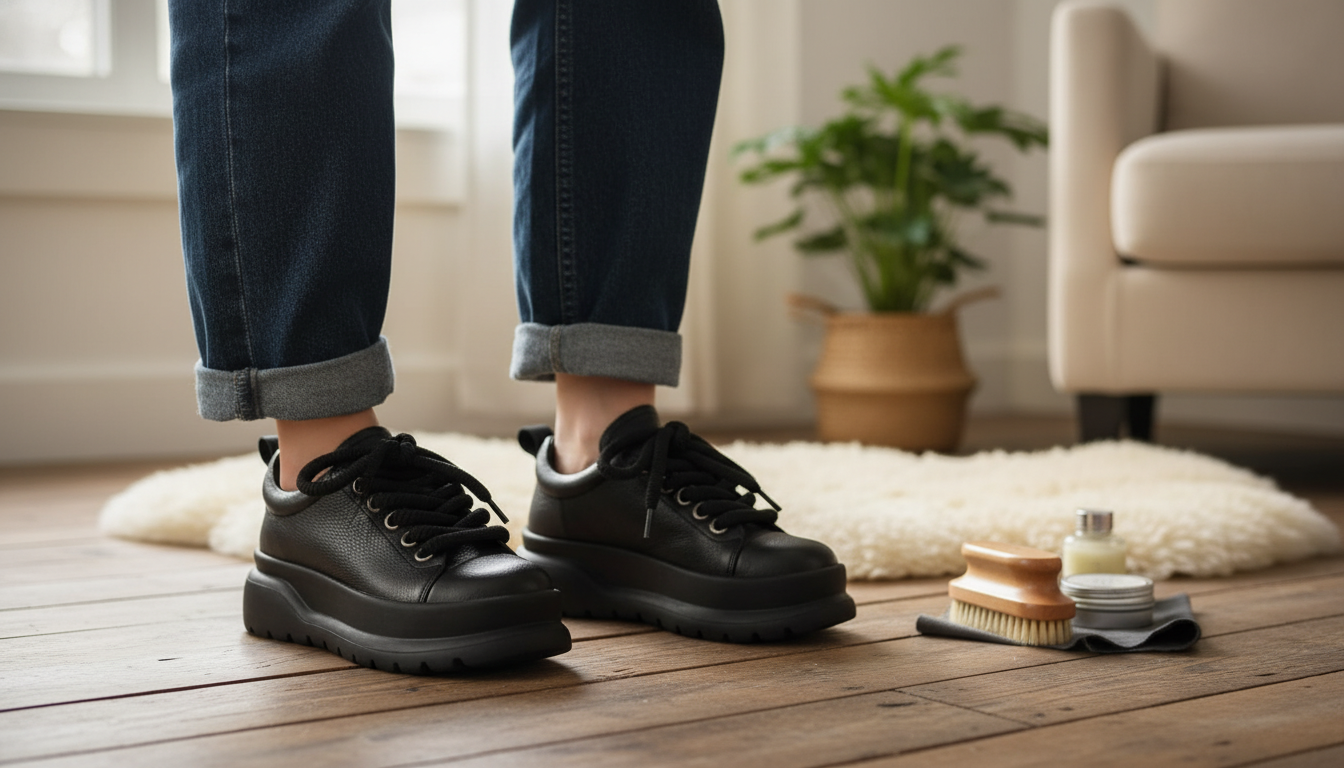
Genuine Leather Platform Lace-Up Women’s Shoes: Elevated Style, Everyday Support
Platform lace-up shoes in genuine leather blend a polished look with practical lift, making them a go-to for outfits that need structure and a little extra height. The right pair can feel grounded and walkable while still reading refined—especially when the leather, tread, and fit details are done well. Below is a clear guide to what matters most: materials, comfort, stability, styling, and care, so it’s easier to choose shoes that look sharp and feel wearable day after day.
What Makes These Platform Lace-Ups Stand Out
Platform lace-ups earn their place in a wardrobe because they balance presence with practicality. Instead of relying on a narrow heel for height, they build lift into a broader base.
- Genuine leather uppers offer a more refined finish and better long-term wear potential than many synthetics when properly maintained.
- Platform soles add height while distributing pressure more evenly than a slim heel, which can help with steadiness during long days.
- Lace-up closures allow adjustability across the midfoot, which is key for a secure feel and reduced foot fatigue.
- Styling flexibility ranges from dress-casual to streetwear depending on what you pair them with.
For general footwear comfort principles—like supportive construction and fit—resources such as the American Podiatric Medical Association (APMA) and Harvard Health Publishing offer helpful guidance.
Materials and Build Quality to Look For
Not all leather platform shoes feel the same. Small construction choices can make the difference between a pair that gets better with wear and one that rubs or breaks down early.
- Leather grain and finish: Smooth finishes tend to look more formal; textured finishes skew casual and can hide minor scuffs more easily.
- Stitching and edge work: Even stitching, clean edges, and secure panel joins reduce early wear points and help the upper keep its shape.
- Lining and insole feel: A smoother lining helps reduce rubbing; a cushioned insole can make a big difference on longer walks.
- Outsole traction: Deeper tread grips slick sidewalks better. Flatter soles look sleeker, but may require more caution on wet surfaces.
If sustainability and materials are part of your buying decision, the British Fashion Council offers broader context on fashion materials and responsible consumption.
Comfort and Stability: How Platforms Should Feel
Platforms should feel steady, not “tippy.” A well-designed platform supports the foot under the arch and heel so your weight feels centered, even when you’re standing still.
- Platform height: You should be able to stand without rocking forward or feeling like your heel is perched.
- Heel cup hold: The back should feel snug without pinching—this helps reduce blisters and heel lift.
- Toe box space: Enough width to wiggle toes prevents pressure building up over time.
- Break-in expectations: Genuine leather often softens as it warms and flexes; shorter wears early on can help the shoe mold comfortably.
Quick Fit and Comfort Check
| Checkpoint | What to test at home | Good sign |
|---|---|---|
| Heel hold | Walk 20–30 steps on a hard floor | Minimal heel slip, no scraping |
| Toe room | Stand evenly and press the toe box lightly | Toes aren’t compressed; slight space ahead |
| Midfoot support | Lace snugly and flex the foot | Secure feel without numbness |
| Platform stability | Stand still, then shift weight side to side | Stable base, no wobble |
| Rubbing hotspots | Wear for 10 minutes with socks/tights you’ll use | No sharp friction on heel/ankle bones |
Styling Ideas: From Casual to Polished
Platform lace-ups look intentional because they add visual weight at the base of an outfit. That “anchor” effect can sharpen casual looks and make polished outfits feel less precious.
- Minimalist lines: Straight-leg jeans, a tucked tee, and a structured jacket create clean proportions that platforms complement.
- Work-friendly smart casual: Tailored trousers with a knit top keep things sharp; let the shoes carry the statement and keep accessories streamlined.
- Skirts and dresses: Platforms balance midis and minis alike—lace-ups add a grounded silhouette that feels modern and wearable.
- Cold-weather cohesion: Opaque tights, a wool skirt, and a long coat pair naturally with the sturdier look of a platform sole.
Care and Maintenance for Genuine Leather
Leather rewards consistent, simple care. A few small habits keep the finish looking fresh and help prevent drying or cracking.
When to Choose Platform Lace-Ups Over Other Shoes
Product Picks (In Stock)
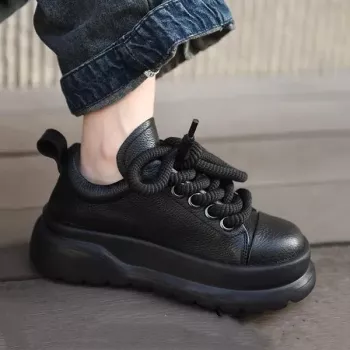
- Genuine Leather Platform Lace-Up Women’s Shoes ($167.51) — a genuine leather upper with a platform silhouette and lace-up adjustability for a secure feel.
- Colorful Quiet Luxury Palettes Checklist | Digital Download Guide for Elegant Color Schemes, Minimalist Style & Timeless Design Inspiration ($37.99) — a helpful companion for planning outfits that look cohesive with statement shoes.
- The Smart Traveler’s Guide to Global Etiquette | Digital Download eBook for Cultural Tips, Travel Etiquette, and International Manners ($43.99) — useful when packing versatile looks that move from casual to polished while traveling.
FAQ
Do genuine leather platform shoes stretch over time?
Genuine leather typically softens and may relax slightly with wear, but the amount depends on the shoe’s construction, lining, and how snug the fit is initially. Choose the right size from the start and break them in gradually rather than relying on stretching to fix a poor fit.
Are platform lace-up shoes comfortable for all-day wear?
They can be, because the wider sole often feels more stable than a narrow heel, especially when paired with cushioning and solid arch support. Comfort still depends heavily on fit—secure heel hold and adequate toe room matter most—so rotating footwear and using supportive insoles can help on high-mileage days.
How should genuine leather shoes be cleaned and protected?
Wipe them after wear, condition occasionally, and consider a leather-appropriate water-repellent protector if you’ll be out in mixed weather. If they get wet, let them air-dry at room temperature and avoid direct heat to help prevent stiffness and cracking.












Leave a comment