5-Gallon Walk-Behind Manual Sweeper for Yard Walkways
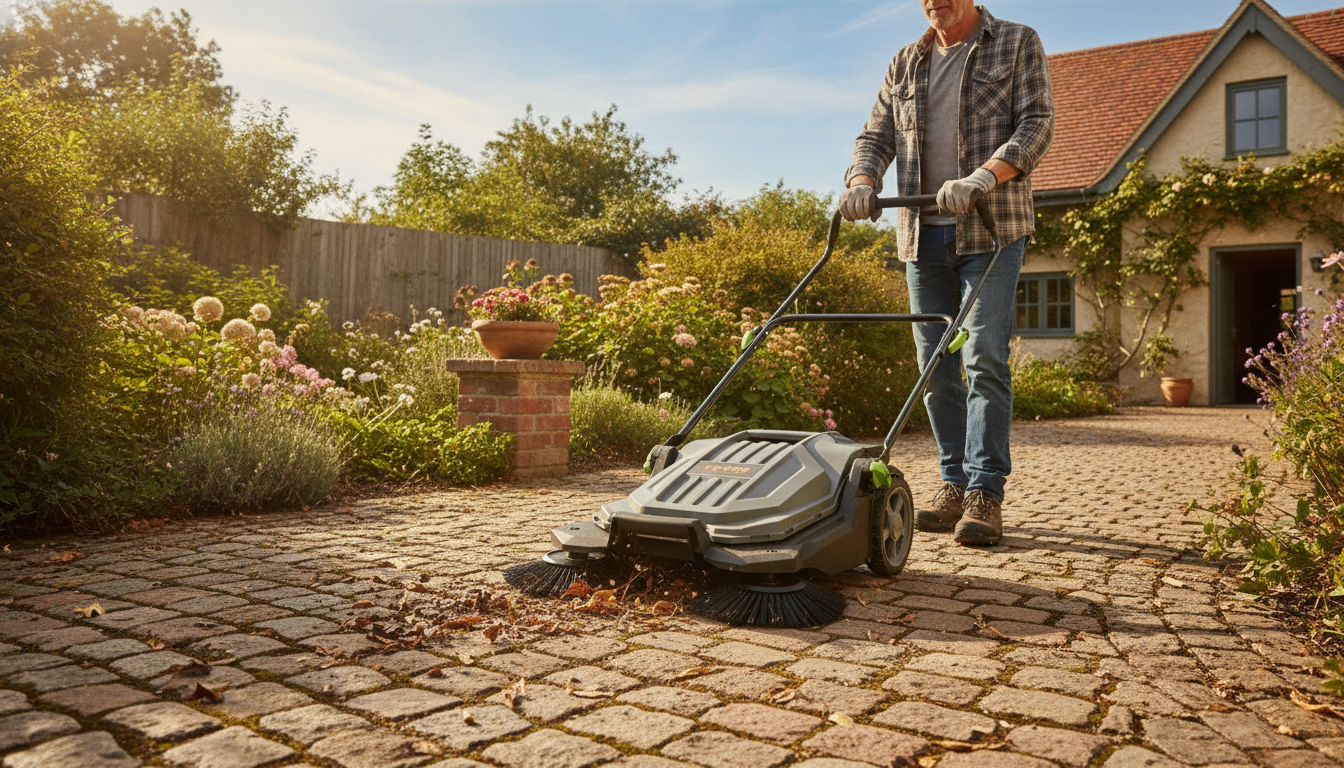
Walk-Behind Manual Floor Sweeper with 5-Gallon Waste Container for Yard & Walkway
Keeping walkways tidy is easier when debris is captured as it’s collected—without cords, fuel, or loud motors. A walk-behind manual floor sweeper with a 5-gallon waste container offers a practical way to pick up leaves, dust, sand, and small litter from patios, driveways, sidewalks, and garage floors with simple push operation. It’s a straightforward tool for routine “little messes” that add up fast, especially in windy seasons or high-traffic entry areas. For more guidance, see Walk-behind Hand Push Floor Sweeper, 25.6″ Sweeping Width ….
What This Manual Sweeper Does Best
A push sweeper shines when the job is dry debris on hard surfaces. Instead of pushing everything into a pile that can scatter, it gathers material into an onboard container so the walkway looks clean as you go.
- Collects dry debris from hard outdoor surfaces such as sidewalks, walkways, patios, and driveways
- Helps reduce scattered dust and grit compared with sweeping into a pile on windy days
- Works without electricity or gasoline—useful for quick cleanups and storage sheds where power isn’t convenient
- A 5-gallon waste container supports longer cleanup sessions before emptying
For households that deal with tracked-in grit, dry leaf fragments, or light litter, manual sweepers can support cleaner routines without adding noise or maintenance tasks tied to powered equipment. For general background on dust and why it tends to accumulate, the EPA’s guidance is a helpful reference: EPA — Frequent Questions about Dust.
Where It Fits Around the Home
Because it doesn’t need an outlet, a manual walk-behind sweeper can live in a garage corner and come out whenever a path looks messy—especially around edges where wind drops debris.
- Yard walkways: sand, dry soil, leaf fragments, and small twigs after mowing or edging
- Garage and workshop: sawdust, drywall dust, and tracked-in grit (dry conditions only)
- Entry areas: gravel and debris that collects near doors and steps
- Driveway edges: light litter and windblown debris along borders
Common Surfaces and Typical Debris
| Surface | Best-at Debris | Tips for Better Pickup |
|---|---|---|
| Concrete walkway | Dust, sand, dry leaves | Use steady pace; overlap passes along edges |
| Pavers/brick | Fine grit, leaf bits | Take slower passes so brushes reach uneven joints |
| Garage floor | Sawdust, tracked-in dirt | Keep debris dry; empty container before it’s overfilled |
| Asphalt driveway | Light litter, grit | Start at the perimeter; work toward the center |
Key Features to Look For in a 5-Gallon Walk-Behind Sweeper
Not all manual sweepers feel the same in day-to-day use. A few practical details can make the difference between “quick pass and done” and repeated re-sweeping.
- Large waste container capacity: fewer stops to empty, especially during seasonal leaf drop
- Brush design and coverage: wider pickup path can reduce total passes on long sidewalks
- Handle comfort and height: better control on longer runs; easier turns around planters and steps
- Wheel stability and maneuverability: smoother tracking along edges and curbs
- Easy-empty container: quick dump without spilling collected debris back onto the walkway
If you’re planning to use the sweeper in a garage or work area, consistent housekeeping practices can also help reduce slip hazards and keep fine debris from spreading—OSHA’s general housekeeping guidance is a useful high-level overview: OSHA — Housekeeping (general guidance).
Using a Manual Sweeper Efficiently on Yard Walkways
Manual sweepers reward a steady, methodical approach. A few small habits help improve pickup while reducing the need for multiple rounds.
- Prep the path: remove larger sticks and wet clumps that can block brushes or reduce pickup
- Work with the wind: start upwind so loose debris doesn’t blow back into cleaned areas
- Use overlapping passes: a small overlap helps catch debris along seams and edges
- Slow down on textured surfaces: pavers and rough concrete often need a slightly slower pace
- Empty at the right time: dumping when the container is nearing full helps maintain consistent pickup
For long sidewalks, consider a simple pattern: clean the edges first (where material collects), then make broader passes through the center. This tends to reduce the amount that gets kicked back into already-clean areas.
Maintenance and Storage Basics
When a Manual Sweeper Is the Right Choice (and When It Isn’t)
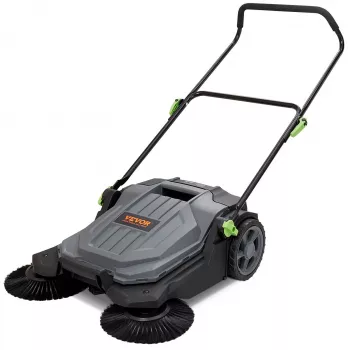
Product Option: Walk-Behind Manual Floor Sweeper with 5-Gallon Waste Container
If the goal is quick, tidy pickup on hard outdoor surfaces, the Walk-Behind Manual Floor Sweeper with 5-Gallon Waste Container for Yard & Walkway is designed for routine debris collection with a roomy onboard bin and simple push operation—no charging, cords, or fuel handling.
At-a-Glance
| Item | Details |
|---|---|
| Product | Walk-Behind Manual Floor Sweeper with 5-Gallon Waste Container for Yard & Walkway |
| Availability | In stock |
| Price | 156.01 USD |
| Best use | Dry debris on hard outdoor surfaces and garages |
Other In-Stock Home & Outdoor Picks
- Portable Folding Camping Table for flexible outdoor setup, garage projects, or quick staging during yardwork
- 60-Inch Wall-Mounted Electric Fireplace Heater with App Control & Remote to add controllable warmth and ambiance indoors
- Infrared Sauna for One Person for at-home relaxation and recovery in a compact footprint
FAQ
Will a manual walk-behind sweeper pick up leaves on a sidewalk?
Yes—dry leaves and leaf fragments are typically a good match. For best results, remove larger sticks first and use slower, overlapping passes along edges where leaves collect.
Can it be used on pavers or textured concrete?
Usually yes, especially for fine grit and small debris. A slower pace helps the brushes reach into uneven joints and textured areas more effectively.
How often should the 5-gallon container be emptied?
Empty it when it’s nearing full to maintain consistent pickup and reduce spillover. The right timing depends on how much debris is on the surface and how long the walkway run is.














Leave a comment