370W Stainless Commercial Bread Slicer (12mm Slices)
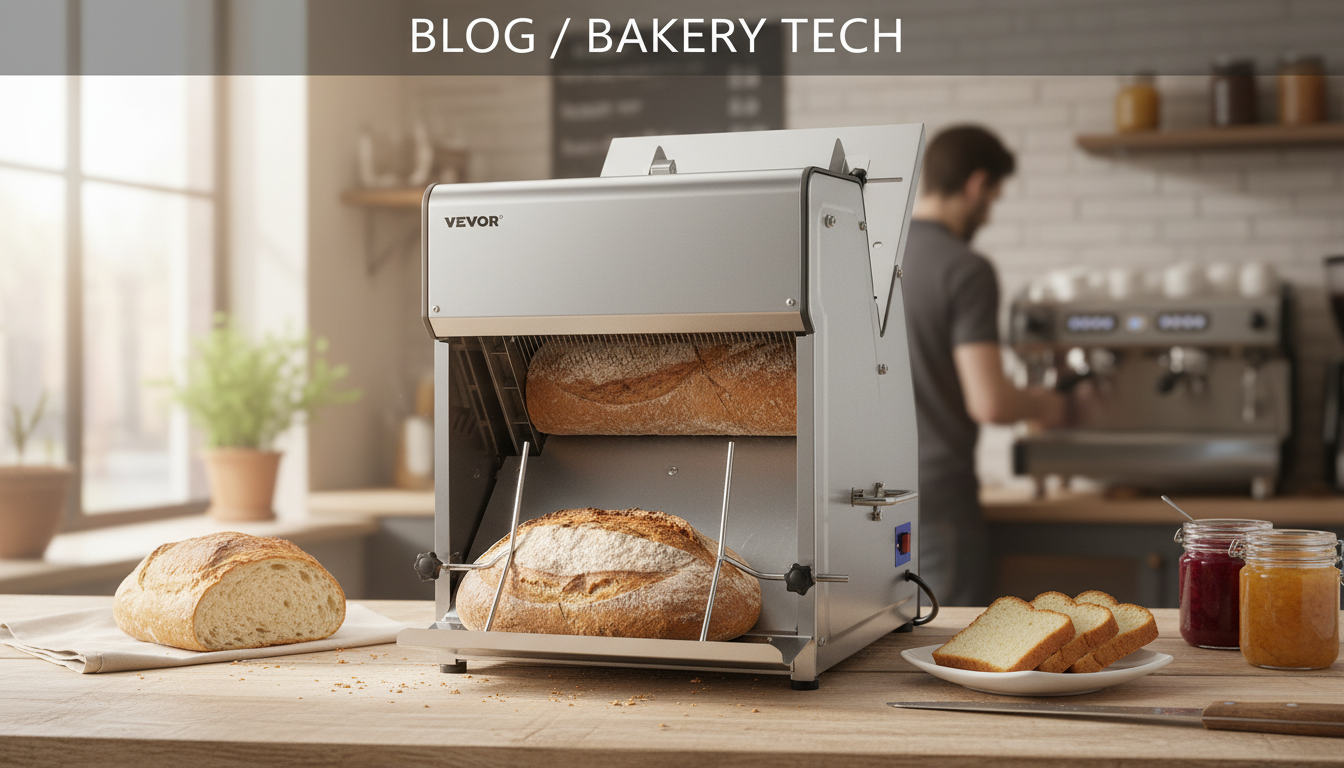
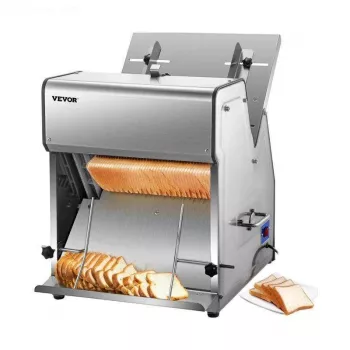
Commercial Bread Slicer 370W Electric Stainless Steel with 12mm Blades
Consistent slice thickness, faster service, and cleaner presentation matter in bakeries, cafés, delis, and kitchens that portion bread all day. An electric, stainless-steel commercial slicer is designed to handle higher throughput than manual options while keeping slices uniform for sandwiches, toast service, and packaged loaves.
What This Bread Slicer Is Built For
This machine is designed for operations where slicing is a daily, repeatable task—not an occasional prep step. When the goal is to standardize slices and reduce time spent on knife work, a powered slicer becomes part of the production line.
- High-volume slicing for bakery loaves, sandwich bread, and daily prep in cafés, delis, and commissary kitchens
- Uniform 12mm slicing to standardize portions for menu consistency and packaging
- Electric drive (370W) to reduce labor and improve speed compared with hand slicing
- Stainless-steel construction to support routine sanitation and durability in commercial environments
For teams trying to keep sandwich builds consistent across shifts, slice thickness is more than aesthetics—it directly affects portion control, toast time, and how well a finished sandwich holds together during service and takeout.
Key Features That Impact Daily Throughput
In a commercial setting, “fast” needs to stay fast during rushes. These features are aimed at steady performance and repeatable results across many loaves.
- 370W motor power for steady slicing during peak periods, helping maintain pace during service
- 12mm blade spacing for repeatable slice thickness—useful for sandwich builds, toast programs, and portion control
- Stainless-steel body surfaces that are easier to wipe down and resist corrosion in humid kitchen settings
- Commercial-style build aimed at frequent use, reducing inconsistency common with freehand cutting
Uniform slicing also helps reduce waste. When slices vary, thicker pieces often get trimmed or reworked, while thinner pieces tear or toast unevenly. A consistent cut improves yield and presentation at the same time.
Specifications at a Glance
Use this snapshot to confirm fit for the intended operation (slice thickness, power, and materials are the main decision points).
| Spec | Detail |
|---|---|
| Product | Commercial Bread Slicer |
| Power | 370W electric |
| Construction | Stainless steel |
| Slice thickness | 12mm blades/spacing |
| Availability | In stock |
Where 12mm Slices Work Best
A 12mm slice is a practical “middle ground” thickness for many menus—substantial enough for spreads and fillings, while still easy to toast and bite through cleanly.
- Sandwich stations: predictable thickness helps portion proteins, spreads, and toppings without overbuilding
- Toast and breakfast service: consistent slices reduce uneven browning and improve plating
- Packaged loaves: uniformity improves bagging, labeling, and customer expectations
- Prep for bread-based appetizers: crostini-style builds benefit from repeatable thickness (note that thinner slices may require a different setup)
If the menu relies on thin tea-sandwich slices or extra-thick Texas-toast cuts, a single fixed thickness may not match every use case. For many cafés and delis, though, 12mm is a dependable standard that supports both speed and consistency.
Operation, Safety, and Kitchen Fit
Commercial slicing is a workflow. The right placement and clear habits reduce bottlenecks and help keep the slicing area clean, controlled, and efficient.
- Place the slicer on a stable, level surface with enough clearance for loading and unloading loaves
- Assign one trained operator during rush periods to keep hands clear of the cutting area and reduce handling errors
- Integrate into a clean workflow: staged cooling (if applicable), slicing, bagging, and labeling to minimize crumb spread
- Follow machine-guarding and lockout/tagout practices for cleaning and maintenance—especially when blades are involved
For safety planning and training, it’s smart to align procedures with recognized guidance, including OSHA machine guarding requirements (29 CFR 1910 Subpart O). For sanitation and food-contact surface expectations, consult the FDA Food Code as a baseline reference used by many jurisdictions.
Cleaning and Maintenance Habits That Keep Slices Clean
Even the best slicer won’t produce clean, consistent cuts if crumb buildup and residue are allowed to accumulate. Simple routines help maintain slice quality and reduce downtime.
- Brush or remove crumbs frequently to prevent buildup that can affect slice quality and sanitation
- Wipe stainless surfaces with food-safe cleaner; dry thoroughly to reduce residue and streaking
- Schedule deeper cleaning at close or between production batches to keep operation smooth
- Inspect cutting components regularly; dull or damaged parts can increase tearing and waste
Operationally, bread condition matters too. Slicing loaves that are overly warm can compress the crumb, smear the cut edge, and create excess crumbs. A short cooling window and consistent handling can make slices look more “finished” with less rework.
Is This the Right Choice for a Bakery or Café?
This slicer is a strong match when the menu standard is a consistent 12mm cut and service speed matters. It supports operations that want cleaner presentation, more predictable portions, and less manual labor devoted to repetitive slicing.
In-Stock Options and Extras
- Commercial Bread Slicer 370W Electric Stainless Steel with 12mm Blades
- Portable Folding Camping Table
- 60-Inch Wall-Mounted Electric Fireplace Heater with App Control & Remote
FAQ
What does 12mm slice thickness look like in real use?
It’s a medium sandwich slice commonly used for deli-style builds—substantial enough to hold fillings without feeling bulky. The consistent thickness also supports uniform portions and more even toasting across the batch.
How should a commercial bread slicer be cleaned safely?
Power it off and unplug it (and follow lockout/tagout practices where required) before cleaning. Remove crumbs first, then wipe stainless surfaces with a food-safe cleaner and follow the manufacturer’s guidance for cleaning around the blade area.
Can it handle softer breads without tearing?
It can, but results depend on loaf freshness, cooling time, and blade condition. For cleaner cuts, slice fully cooled loaves (not hot or steamy) and keep cutting components in good condition to reduce snagging and tearing.













Leave a comment