Tankless Water Heater for a Shower: GPM & Temp Rise
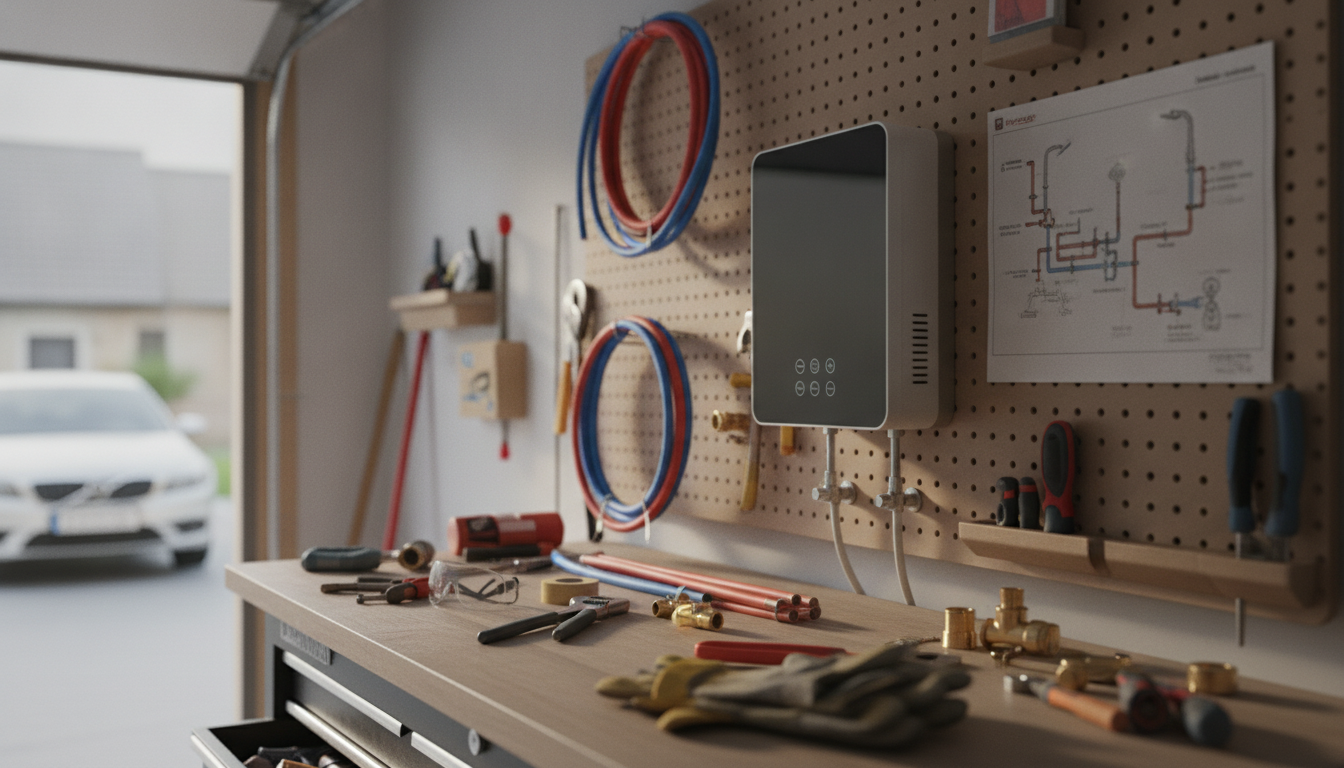
Can a Tankless Water Heater Run a Shower?
Yes, a tankless water heater can run a shower, but only if it can deliver enough hot water at the needed flow rate for your incoming water temperature. Showers typically use about 1.5–2.5 gallons per minute (GPM) depending on the showerhead, and the heater must be able to raise the water temperature (the “temperature rise”) while maintaining that flow.
What Determines Whether It Will Work
The two biggest factors are power (or fuel input) and temperature rise. In warmer climates where incoming water is already mild, a smaller tankless unit may manage a comfortable shower. In colder regions, the same unit may only provide lukewarm water or require reducing the flow to keep it hot.
Electric Mini Tankless Units: What to Expect
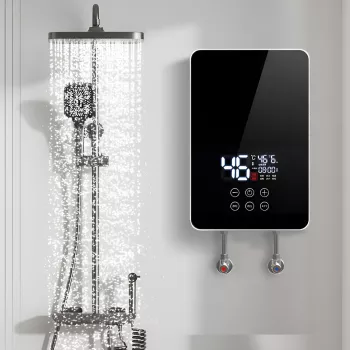
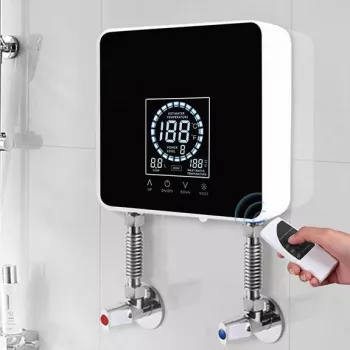
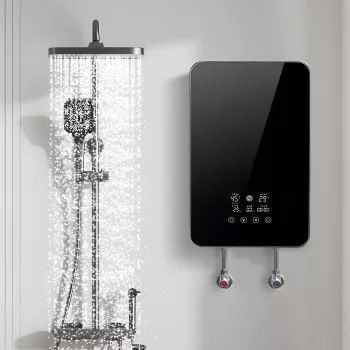
Compact electric models (often marketed for point-of-use) can be convenient for a quick wash-up or low-flow shower needs, but they have limits. A 220V, 6000W unit can raise temperature more effectively than 110V models, yet it may still struggle to sustain a full, high-flow shower when inlet water is cold. Many users get the best results by using a low-flow showerhead, keeping the water pressure moderate, and setting expectations for “warm” rather than “steamy hot” in winter conditions.
Signs Your Heater Is Undersized for a Shower
If the water starts hot and quickly turns cool, the flow is probably exceeding the heater’s capacity. Other clues include needing to barely open the hot side to keep water warm, or noticeable temperature swings when someone flushes a toilet or runs a faucet nearby.
How to Pick the Right Setup
Start with the shower’s GPM and the temperature rise you need (target shower temp minus incoming cold water temp). Then choose a tankless heater rated to handle that load. For a practical example and a closer look at a compact 220V option intended for shower use, see the main guide here: 220V 6000W Mini Instant Water Heater Guide.
FAQ
What size tankless water heater do I need for a shower?
Match the heater to your shower’s flow rate (often 1.5–2.5 GPM) and the temperature rise required in your climate. Colder inlet water demands a higher-capacity unit or a lower-flow showerhead to maintain hot water.













Leave a comment