Cat Tree Hammocks: Do Cats Actually Like Them?
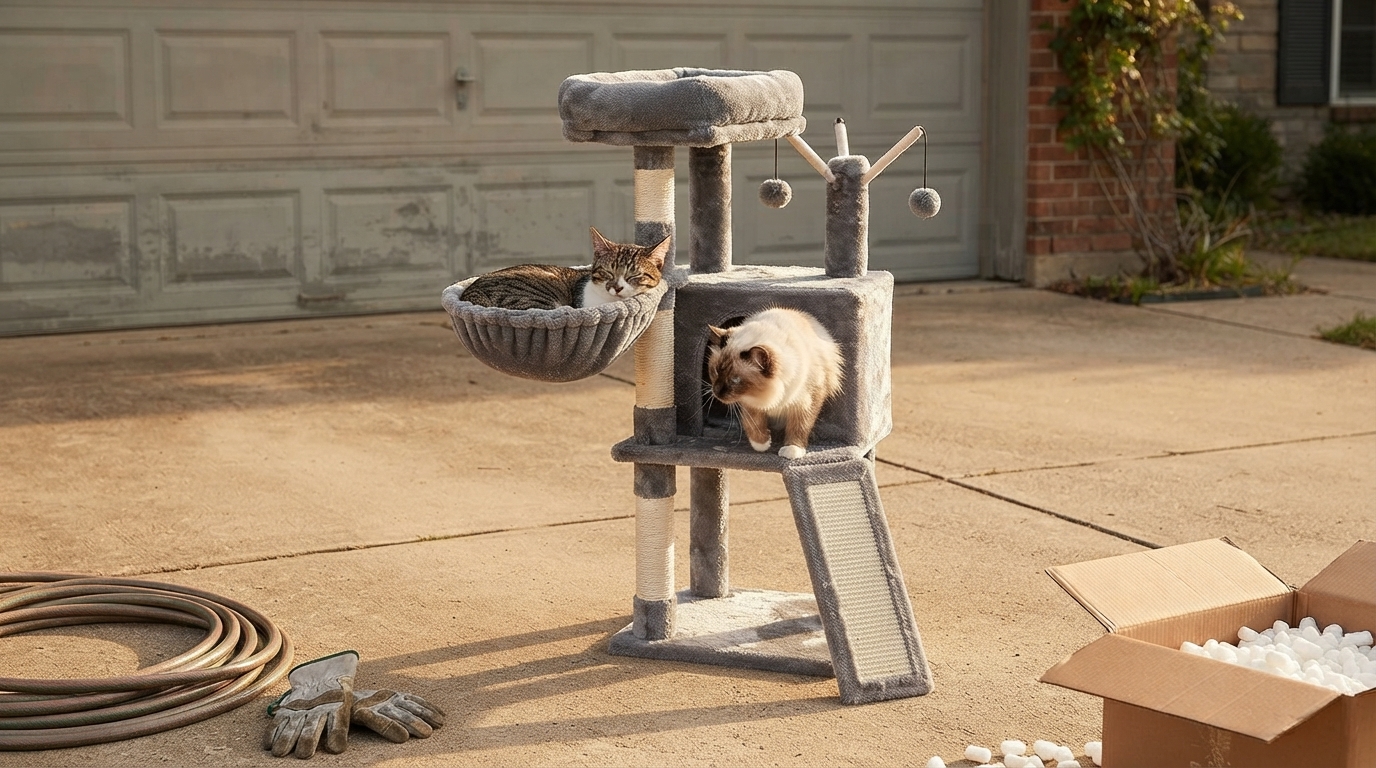
Do cats like hammocks on cat trees?
Many cats do like hammocks on cat trees, and it usually comes down to two things: comfort and security. A hammock creates a slightly enclosed, cradled spot that supports the body in a way a flat platform doesn’t, which can feel especially soothing for naps. It also lets a cat lounge while staying elevated—an ideal combo for cats that want to rest and still keep an eye on the room.
Why hammocks tend to be a hit
They feel snug and supported
The gentle “dip” of a hammock can reduce pressure points and help a cat settle quickly. Cats that love curling into baskets, laundry piles, or soft chairs often gravitate to hammocks for the same wrapped-up sensation.
They offer a safe, elevated lookout
Height matters to many cats. A hammock positioned mid-level or higher can give them a perch that feels protected because the fabric sides partially block their view from below, making the spot feel private without being closed off.
When a cat might ignore the hammock
Placement and stability issues
If the hammock wobbles, swings too much, or sits in a drafty or high-traffic area, some cats won’t trust it. Cats generally prefer a steady surface when first testing a new sleeping spot.
Size and fabric preferences
A hammock that’s too small can feel restrictive, while one that’s too stretched-out may sag uncomfortably. Texture matters too: some cats prefer plush fabric, while others like smoother, cooler materials—especially in warmer months.
How to encourage your cat to use it
Start by placing the cat tree where your cat already likes to hang out, such as near a window or a quiet corner. Make sure the tree is sturdy, then add a familiar scent (a small blanket rubbed on your cat’s favorite bedding). A small pinch of catnip or a treat placed on the hammock can help them “discover” it without pressure.
For more details on what influences hammock use and how to pick a good setup, visit the main article on cat tree hammocks.
FAQ
How do I choose the right hammock size for my cat?
Pick a hammock rated for your cat’s weight with enough width for them to curl or stretch without the edges pressing into their body. If your cat is larger or likes to sprawl, look for a deeper, wider sling and stronger attachment points.













Leave a comment