AI Meal Prep Checklist: Faster Weekly Planning & Less Waste
AI-Powered Meal Prep Checklist: Weekly Planning Made Simple
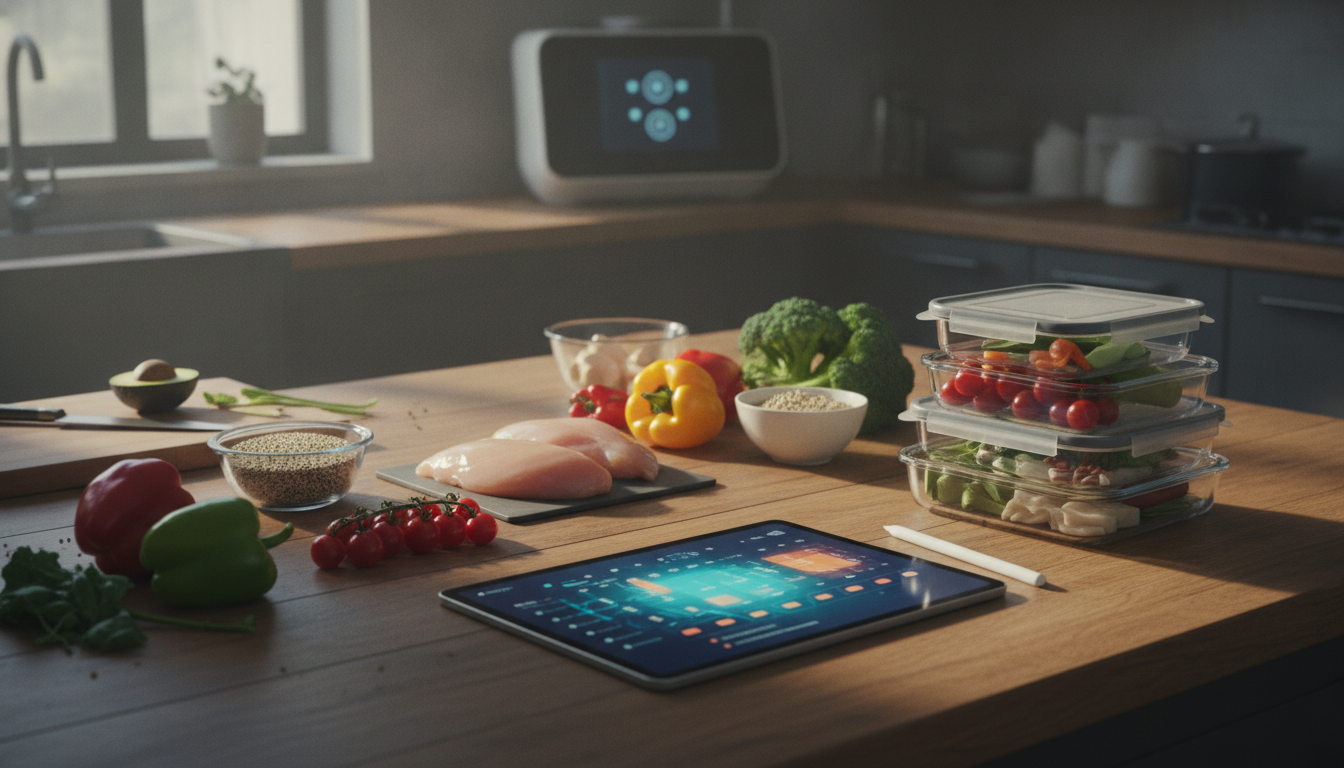
Meal prep gets easier when decisions are made once and reused all week. An AI-assisted checklist keeps planning, shopping, cooking, and storage in a single flow—so fewer ingredients are wasted, dinners feel less stressful, and healthy options are ready when time is tight. This guide walks through a practical weekly system and shows how a reusable digital checklist supports faster, more consistent meal prep.
What an AI-powered meal prep checklist actually does
A great weekly checklist turns good intentions into a plan you can actually execute on a busy weeknight. Instead of juggling notes, screenshots, and half-remembered ideas, it creates one organized “source of truth” for the week.
- Turns a weekly goal (budget, calories, time, cuisine) into a clear plan: meals to cook, portions, and when to cook them.
- Breaks the week into repeatable steps: plan → shop → prep → cook → portion → store → reheat.
- Provides prompts that reduce decision fatigue: protein + veg + carb combos, swap ideas, and leftover mapping.
- Keeps track of what’s in the fridge, what must be used first, and what’s already cooked.
- Works best when paired with a consistent schedule (for example, a 60–120 minute prep block once or twice weekly).
If you want a ready-to-use template, the AI-Powered Meal Prep Checklist (digital download) provides a weekly flow you can reuse, adjust, and refine over time.
Set up the week in 10 minutes
The “secret” to faster meal prep is choosing fewer building blocks that combine well. You’ll cook less, shop less, and still eat different meals.
- Choose a prep rhythm: one big prep day (Sun) or split prep (Sun/Wed) to keep produce fresh.
- Pick 2–3 anchor proteins and 2–3 versatile sides that can mix-and-match across meals.
- Decide on “assembly meals” for busy nights (salads, wraps, grain bowls) that require minimal cooking.
- Add constraints before planning: number of servings needed, dietary preferences, and time limits for weeknights.
- Plan leftover pathways: cook once, eat twice (for example, roast chicken becomes tacos and a salad topper).
Weekly planning snapshot
| Step | Time | Outcome | Example prompt to use |
|---|---|---|---|
| Inventory check | 2 min | Use what’s already owned | List perishables that must be used first |
| Pick anchors | 3 min | Core proteins/sides selected | Suggest 3 proteins and 3 sides that share ingredients |
| Map meals | 3 min | Meals assigned to days | Assign quicker meals to busiest days |
| Finalize list | 2 min | Shopping list + prep tasks | Convert plan into grouped shopping list and prep checklist |
A simple prep workflow that stays organized
Once planning is done, the goal is to move through the kitchen in a clean, efficient sequence—minimizing tool swaps and making cooling/storage automatic.
- Start with a clean zone: clear counters, label containers, and set out sheet pans and cutting boards.
- Batch tasks by tool and temperature: oven items together, stovetop items together, and cold prep last.
- Prep ingredients before full recipes when possible: wash greens, chop vegetables, cook grains, portion snacks.
- Cook in order of cooling needs: items that must cool quickly (grains, roasted veg) first so they can be stored safely.
- Finish with portioning: build 3–5 grab-and-go meals and keep flexible components separate for variety.
If counter space is your bottleneck, an extra surface can make batching far easier. The Portable Folding Camping Table works well as a temporary prep station for washing produce, staging containers, or setting up an assembly line for bowls and wraps.
AI meal prep tips for the week: prompts that save time
When time is tight, the biggest win is reducing the number of choices you have to make during the week. Use these ideas to generate plans that are realistic, repeatable, and low-waste.
For balanced plates, aim for a simple structure—vegetables and fruit, whole grains, and a protein you enjoy—using the Healthy Eating Plate as a practical guide.
Food safety and storage basics for weekly prep
For official guidance, review the USDA’s recommendations on leftovers and food safety and the FDA’s tips on refrigerator thermometers and safe storage.
Quick storage guide
| Item type | Best container setup | Best use | Notes |
|---|---|---|---|
| Cooked grains | Shallow airtight container | Bowls, stir-fries | Portion into 1–2 cup servings for faster reheating |
| Roasted vegetables | Airtight container with paper towel | Sides, wraps, omelets | Re-crisp in oven/air fryer if needed |
| Cooked proteins | Airtight container; keep sauces separate | Salads, tacos, bowls | Slice only what will be used quickly to preserve moisture |
| Washed greens | Container + dry towel | Salads, sandwiches | Keep dry to prevent wilting |
| Sauces/dressings | Small jars | Flavor rotation | Label bold flavors to avoid mixing by mistake |
Make the system stick: routines, checklists, and small wins
Digital checklist download: what to look for and how to use it
To get started quickly, keep your weekly plan, shopping list, and prep steps in one place with the AI-Powered Meal Prep Checklist (digital download).
FAQ
How many meals should be prepped for a week without getting bored?
Prep components for 3–5 core meals (proteins, grains, vegetables) and change the flavor with sauces and seasonings. Leave 1–2 flexible slots for leftovers, a quick pantry meal, or an unplanned night out.
What’s the fastest way to meal prep if there’s only one hour?
Do one sheet-pan protein + vegetables, cook a quick grain, wash greens, and mix one versatile sauce, then portion 3–4 meals. Focus on batching by tool (oven first, then stovetop, then cold prep) and avoid complex recipes.
How long do prepped meals usually stay good in the fridge?
Many cooked foods are best used within a few days, but exact timing depends on the item, your fridge temperature, and how quickly foods were cooled and stored. Label everything, keep the refrigerator at 40°F/4°C or below, and follow USDA food safety guidance when deciding what to keep or discard.














Leave a comment