Double-Tank Slushy Machine: High-Volume Two-Flavor Guide
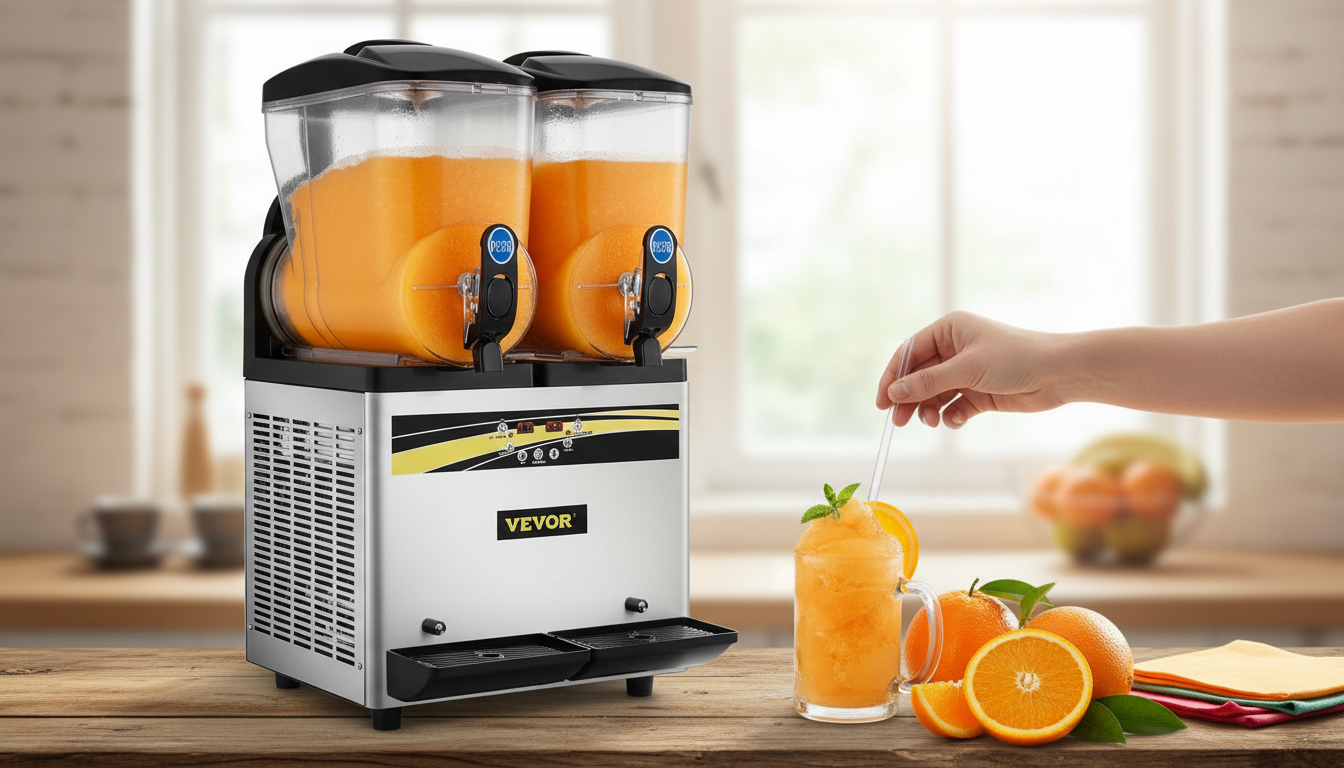
Commercial Double-Tank Slushy Machine for High-Volume Frozen Drinks
A double-tank slushy machine is built for serving two flavors at once with steady output during rush periods. It’s a practical way to keep customers moving, reduce “out of stock” moments, and expand your frozen drink menu without doubling your equipment footprint. Whether you’re running a busy counter or setting up for seasonal events, the right unit (and the right routine) helps protect texture, speed, and margins. For more guidance, see Top 5 Slushie Machines 2026 – Consumer Picks.
If you’re shopping for a dependable two-flavor setup, start with a purpose-built Commercial Double-Tank Slushy Machine, then plan your placement, cleaning cadence, and mix strategy around the reality of your peak hours. For further reading, see [PDF] Commercial Driver’s Manual – Commonwealth of Pennsylvania.
Where a Double-Tank Slushy Machine Fits Best
- Convenience stores and gas stations: two popular flavors, fast self-serve potential, and all-day holding.
- Concession stands and snack bars: rapid turnaround during peak hours with minimal prep between orders.
- Restaurants and bars: frozen cocktails and mocktails alongside classic fruit slush.
- Event catering and venues: offers variety without doubling footprint and power needs.
- School, church, and community fundraisers: simple menu that supports high throughput.
For pop-ups and temporary service lines, a stable staging surface matters almost as much as the machine. A compact, easy-to-carry work surface like a Portable Folding Camping Table can help create a clean serving station for cups, lids, straws, and sanitizing supplies (while keeping traffic away from the unit’s ventilation areas).
What to Check Before Buying
- Tank capacity: choose based on expected servings per hour and how often refills are realistic during service.
- Compressor and cooling performance: steady freezing under frequent dispensing; plan around ambient temperature and placement.
- Mixing system: consistent texture without ice chunks; confirm it suits both slush and frozen drink mixes used.
- Controls: easy temperature/consistency adjustments; clear indicators for freeze, standby, and cleaning modes.
- Footprint and placement: counter depth, clearance for lids, ventilation space around the unit, and access for draining.
- Power requirements: confirm voltage, outlet type, and whether a dedicated circuit is advisable.
- Noise and heat output: consider customer-facing counters and small kiosks.
- Parts and serviceability: availability of seals, drip trays, augers, and gaskets; straightforward access for maintenance.
Quick checklist for selecting a double-tank unit
| Need | Why it matters | What to verify before checkout |
|---|---|---|
| Two flavors served all day | Keeps menu variety without extra machines | Independent controls per tank; easy switching between freeze/standby |
| Fast service during rushes | Shorter lines and higher sales | Dispense speed; stable texture after repeated servings |
| Simple cleaning routine | Food safety and lower labor time | Removable components; drain access; clear cleaning instructions |
| Low spill and mess | Cleaner counter and fewer product losses | Drip tray size; tight seals; splash control at spouts |
| Long-term reliability | Lower downtime and repair costs | Warranty terms; spare parts availability; accessible service panels |
Setup and First-Day Operating Steps
- Positioning: place on a level surface with adequate ventilation space and away from direct heat sources.
- Electrical check: confirm outlet type and load capacity; avoid extension cords in commercial settings unless explicitly permitted by local code.
- Sanitize before first use: wash and sanitize food-contact components before mixing any product.
- Mix preparation: use manufacturer-recommended ratios; overly sweet or overly watery mixes can affect freezing and texture.
- Startup timing: allow adequate pre-freeze time before opening service.
- Labeling: mark each tank flavor, fill time, and discard/refresh schedule for staff consistency.
- Trial pours: test consistency and adjust settings gradually rather than making large swings.
One practical habit: keep your refill mix chilled when possible. Warm product slows recovery, especially when a tank is being dispensed repeatedly during a rush.
Menu Planning for Two Tanks
- Pair a “fast mover” with a “seasonal”: keep one core flavor (like cherry or blue raspberry) plus a rotating option.
- Offer upgrades: float, sour spray, chili-lime seasoning, boba/pearls (if compatible), or whipped topping where appropriate.
- Frozen cocktails: confirm alcohol mix compatibility and local licensing; maintain consistent brix to preserve texture.
- Allergen and ingredient transparency: post ingredient lists for concentrates and colorings when required.
- Batch planning: track daily depletion to reduce leftovers and improve margins.
Two tanks also help with customer flow: if one flavor runs low, staff can keep serving from the other tank while refilling and re-freezing—without stopping frozen drink sales entirely.
Cleaning, Sanitizing, and Daily Maintenance
For operational standards and compliance references, consult the FDA Food Code and consider equipment built and evaluated with commercial food-service expectations in mind, such as NSF food equipment standards. For electrical safety certification context, see UL Solutions product certification.
Common Issues and Quick Troubleshooting
Cost Planning and Revenue Basics
FAQ
How long does it take for a commercial slushy machine to freeze product?
Freeze time depends on your mix ratio, starting liquid temperature, ambient heat, and the machine’s consistency settings. Plan a pre-freeze window before service and avoid adding warm mix during rushes when possible.
Can different drinks be used in each tank?
Yes—two tanks are ideal for running separate flavors or even different drink types. Keep in mind that different sugar levels or alcohol content may require different settings, so follow the manufacturer’s guidance for best texture.
How often should a slushy machine be cleaned?
Follow local health requirements and the unit’s manual, but many operations use a daily wipe-down with regular full disassembly and sanitizing on a set schedule. Clean between flavor changes to prevent carryover and protect product quality.













Leave a comment