Comfort a Toddler After a Nightmare: Quick Calm Steps
How do I comfort my toddler after a nightmare?
Start with calm reassurance and safety
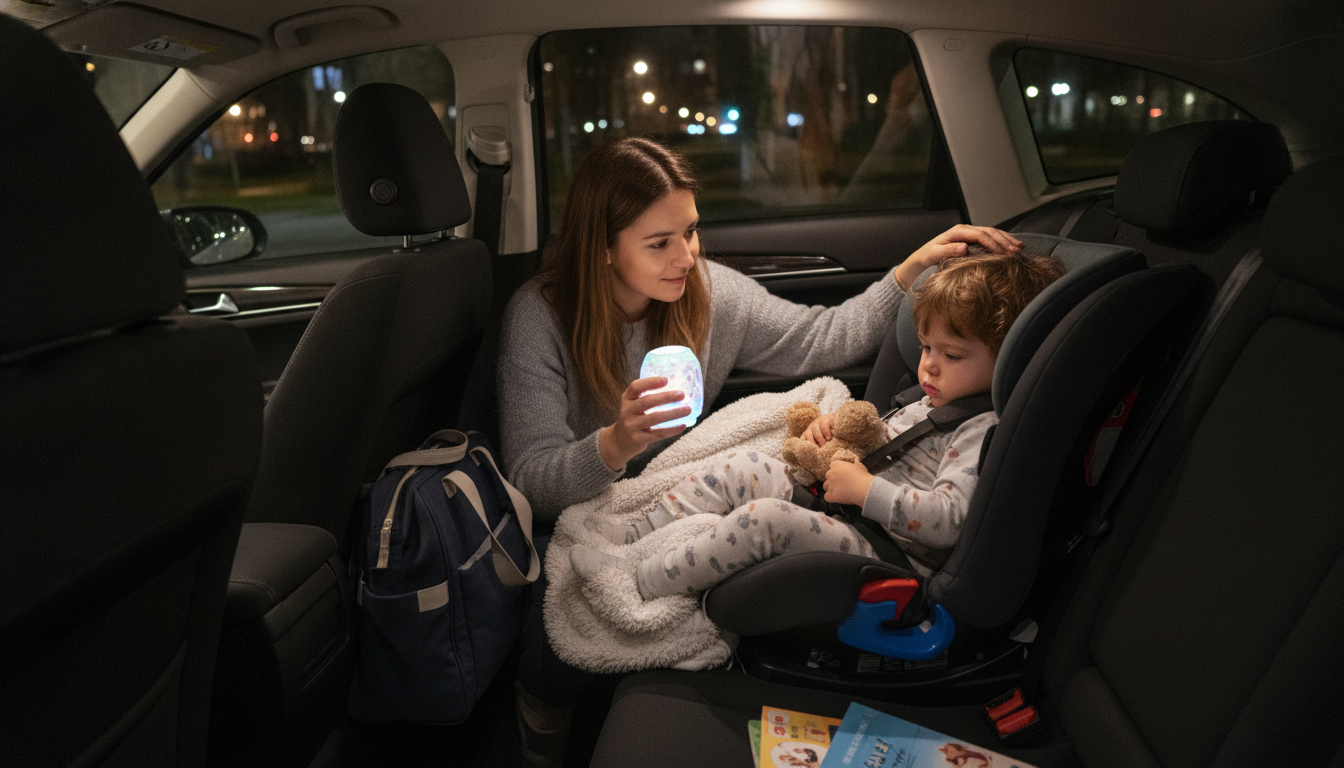
Go to your toddler quickly, keep your voice low, and offer comfort first—before asking questions. A simple line like, “You’re safe. I’m right here,” helps their body settle. If they want contact, offer a hug or let them sit on your lap for a minute. Keep the lights dim so they don’t fully “wake up for the day,” but use a night-light or hallway light if darkness makes them more upset.
Help them regulate, not relive
Nightmares can feel real, so avoid long explanations or pressing for details. Instead, guide them through a short calming routine: slow breaths together, a sip of water, and a quick “check” of the room (closet/under bed) if that reassures them. If they describe the dream, acknowledge it—“That sounds scary”—then gently redirect to something grounding like their favorite stuffed animal, blanket, or a familiar bedtime phrase.
Keep the return-to-bed plan simple
Once they’re calmer, aim for a smooth, predictable reset: bathroom if needed, back to bed, tuck-in, and a brief reassurance. Try not to introduce new habits you can’t maintain (like extended screen time or a long play session). If they ask to stay with you, consider a compromise that still supports independent sleep—such as sitting nearby for 1–2 minutes, then leaving with a clear promise to check on them.
Prevent repeat wake-ups the rest of the night
After they’re settled, keep nighttime consistent. If they wake again, repeat the same short script and steps. Consistency teaches them what to expect and reduces bargaining. For more ideas on easing toddler nighttime fears and tightening up bedtime routines, see the full guide: toddler nightmares comfort plan and bedtime fixes.
FAQ
What causes nightmares in toddlers?
Nightmares are often triggered by big feelings, overstimulation, overtiredness, new routines, or scary stories and shows. They’re also common during developmental leaps, when imagination grows faster than a child’s ability to separate pretend from real.















Leave a comment