30-Inch Bathroom Vanity: Drawers, Ceramic Sink & Storage
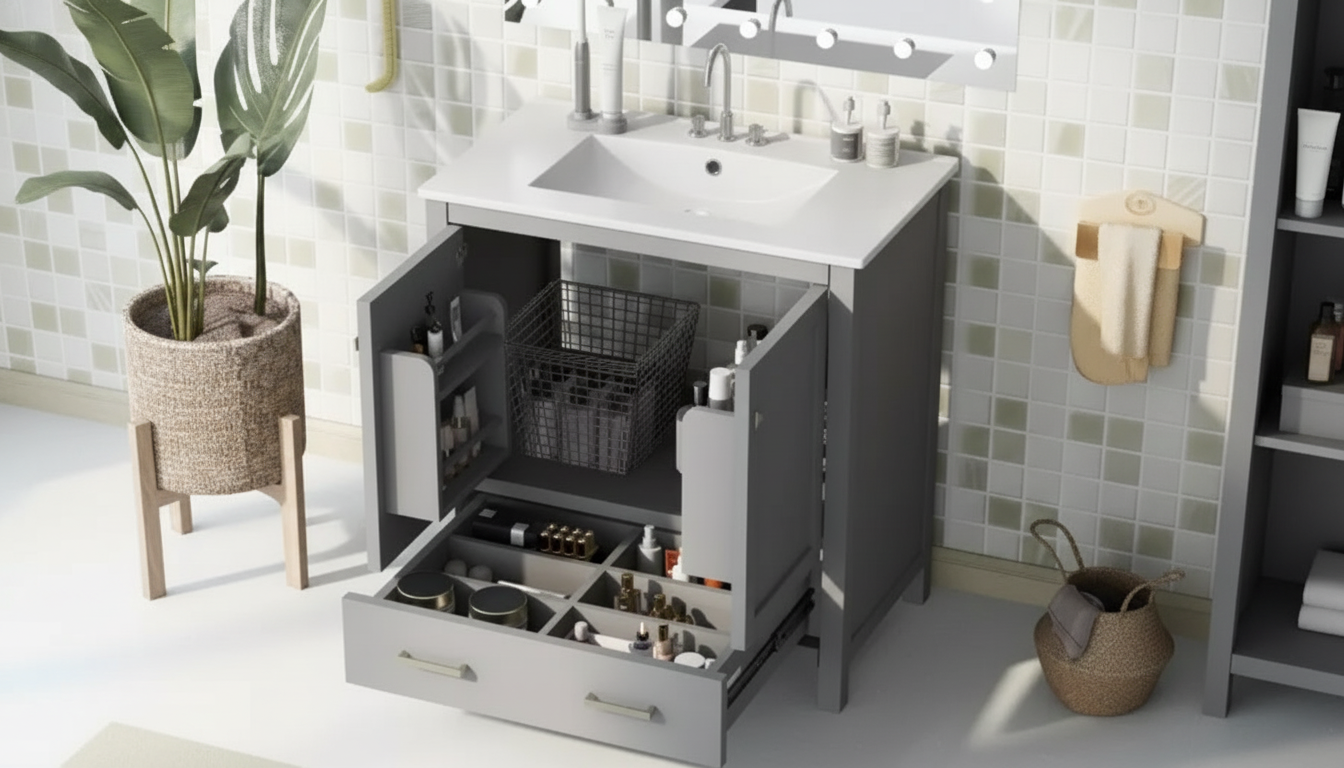
30-Inch Bathroom Vanity Sink Cabinet with Drawers, Ceramic Basin, and Storage
A 30-inch vanity is a practical upgrade for many bathrooms, balancing a full-size sink area with everyday storage. This style combines a ceramic basin with cabinet space and drawers to keep toiletries, cleaning supplies, and spare linens organized while maintaining a clean, finished look around the sink.
Why a 30-inch vanity works in real bathrooms
In most homes, a 30-inch vanity lands in the “just right” zone: large enough to feel substantial, but compact enough to avoid crowding the room. It fits comfortably in many standard bathroom layouts while still providing usable counter space for daily routines.
Compared with pedestal or wall-hung sinks, you gain significantly more storage without jumping to a double-vanity footprint. That extra cabinet volume helps keep clutter off the counter, and the closed design hides plumbing lines for a cleaner visual finish than open-sink setups. A 30-inch width also pairs well with common mirror sizes and typical lighting spacing, making it easier to create a balanced look above the sink.
What this vanity includes
A typical 30-inch vanity set in this style is built around convenience: a sink cabinet, a ceramic basin, and drawers designed to hold the smaller items that otherwise pile up near the faucet.
- Sink cabinet with integrated storage space for daily essentials
- Ceramic basin designed for frequent use and easy wipe-down cleaning
- Drawer storage for smaller items such as grooming tools, cosmetics, and extra soaps
- A compact footprint suited to guest baths, apartments, and smaller primary bathrooms
Materials and finish: what to look for
Bathrooms are tough environments: humidity swings, splash zones, and frequent cleaning. Materials matter as much as style when choosing a vanity that keeps looking good over time.
Ceramic basin benefits
Ceramic is popular for everyday bathrooms because it’s non-porous, typically resists staining well, and wipes clean without much effort. For hygiene basics and routine disinfecting guidance, resources like the CDC’s cleaning and disinfecting recommendations can help you choose sensible, non-damaging cleaning habits.
Cabinet durability in humid rooms
For the cabinet body, prioritize sealed surfaces and moisture-resistant construction to reduce swelling and finish breakdown in humid bathrooms. Well-finished edges and properly sealed joints help prevent water intrusion around the sink area—especially along corners, seams, and any backsplash contact points. Moisture control also supports long-term bathroom health; the EPA’s moisture control guidance is a useful reference for preventing mold-friendly conditions.
Hardware that feels solid every day
Drawer slides and hinges take constant use. Smooth-glide drawer mechanisms and sturdy pulls/handles make daily routines feel easier, while also reducing stress on the cabinet frame over time.
Storage layout: making drawers and cabinet space work harder
The smartest storage isn’t just “more space”—it’s space that matches how you actually use the bathroom. A vanity with both drawers and a cabinet lets you separate quick-grab items from bulkier supplies, so everything has a predictable home.
- Use drawers for items needed daily to minimize countertop clutter (toothpaste, skincare, deodorant, razors).
- Reserve cabinet space for taller bottles, paper goods, and cleaning supplies where height matters.
- Add small bins or adjustable organizers so smaller items don’t migrate to the back.
- Create a designated area for hair tools, first-aid items, and spare toothbrush heads to keep categories separate.
As a quick habit reset: keep only what you use every day in the top drawer, put weekly items in a lower drawer, and store backups below. That simple “frequency-based” layout keeps the counter clear and reduces the time spent searching.
Quick size and fit checklist
A 30-inch vanity is straightforward to shop for, but installation goes smoother when measurements are confirmed early—especially in smaller baths where door swing and toilet clearance can surprise you.
Pre-install measurement checklist
| What to measure | Target/notes | Common pitfalls |
|---|---|---|
| Available width | At least 30 inches plus clearance at sides if possible | Tight alcoves can complicate leveling and side trim |
| Depth clearance | Ensure doors and drawers open fully without hitting toilet or wall | Ignoring door swing leads to daily inconvenience |
| Plumbing location | Drain and supply lines align with cabinet interior space | Unexpected pipe positions may require modifications |
| Floor level | Check for slope before installation | Unlevel floors can cause rocking and misaligned drawers |
| Mirror and lighting | Center mirror to vanity and allow room for sconces/light bar | Off-center lighting makes the space feel unplanned |
Installation notes to plan ahead
Most vanity projects go well when you plan around plumbing and water protection details.
Care and cleaning for long-lasting use
Pricing, value, and when it’s a smart upgrade
In-stock picks to consider
- 30-Inch Bathroom Vanity Sink Cabinet with Drawers, Ceramic Basin, and Storage — a balanced 30-inch footprint with drawers plus cabinet storage for a cleaner counter.
- Colorful Quiet Luxury Palettes Checklist | Digital Download Guide for Elegant Color Schemes, Minimalist Style & Timeless Design Inspiration — a handy way to coordinate vanity finishes with wall color, tile, and hardware for a more cohesive look.
FAQ
Will a 30-inch vanity fit in a small bathroom?
It often can, but measure both width and depth, then confirm drawer/door swing and clearance near the toilet. Leave comfortable walking space in front of the vanity so the room doesn’t feel cramped during daily use.
Is a ceramic basin easy to maintain?
Yes—ceramic is typically easy to wipe down and resists staining with regular cleaning. Use non-abrasive cleaners and avoid harsh scouring pads to help protect the finish.
What should be stored in drawers vs. the cabinet below?
Use drawers for daily small items and grooming tools so they’re easy to reach without cluttering the counter. Reserve the cabinet for taller bottles, cleaning supplies, and spare paper goods, ideally grouped in bins so everything stays organized.














Leave a comment