Global Travel Etiquette Guide: Tipping, Dining, Dress
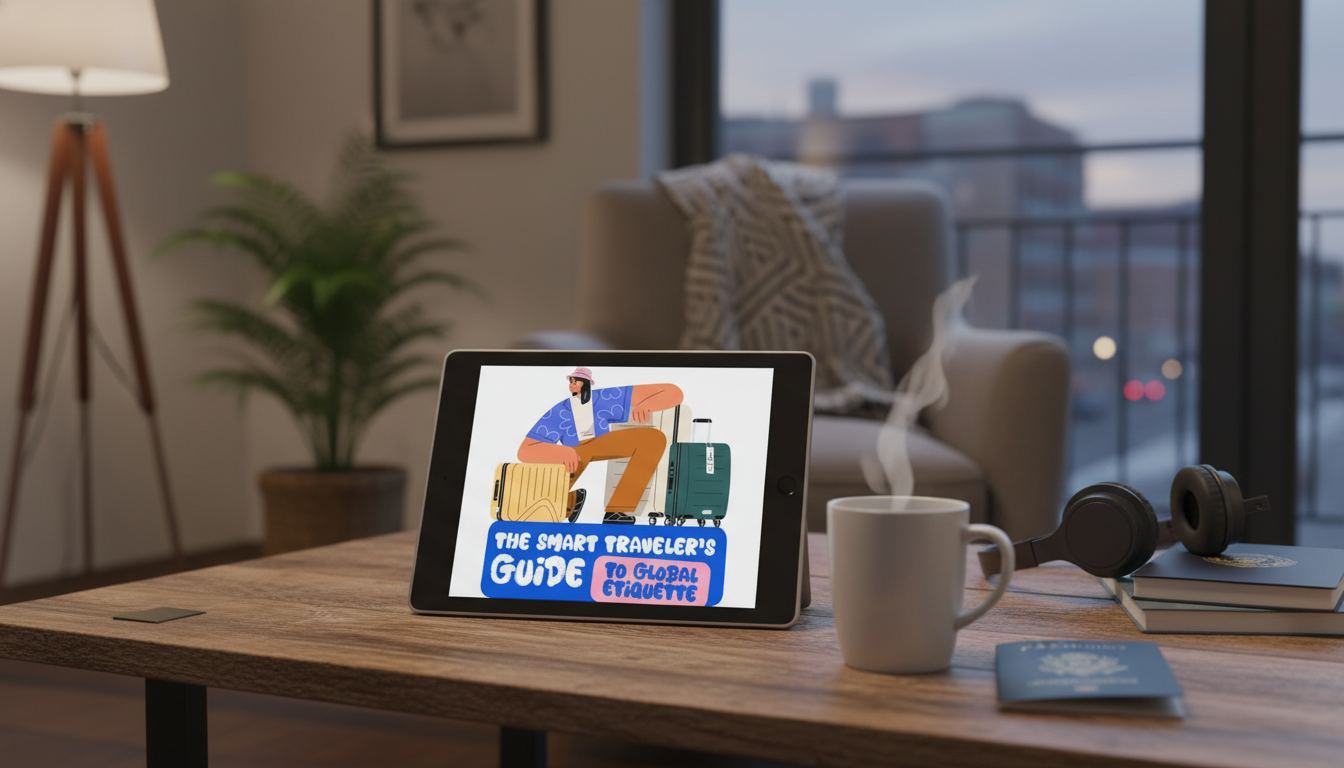
The Smart Traveler’s Guide to Global Etiquette: Cultural Tips, Travel Etiquette, and International Manners (Digital Download)
Good manners travel well, but the details change from country to country. This guide helps travelers avoid common missteps, show respect in everyday interactions, and feel confident navigating greetings, dining, dress, tipping, and communication across cultures—using a practical digital download that’s easy to reference before and during a trip.
Why etiquette matters when traveling internationally
International trips are smoother when small social moments don’t turn into awkward ones. Thoughtful etiquette reduces friction during check-ins, taxi rides, restaurant service, market browsing, and guided tours—especially when language barriers make “good intentions” harder to explain.
Etiquette also builds trust quickly. In places where formality matters, using the right greeting, title, or dining cue signals respect before you’ve said much else. It can help avoid accidental disrespect connected to religion, history, politics, or social hierarchy, and it improves comfort and safety by clarifying norms around personal space, conflict styles, and what counts as “too loud” or “too direct.”
Finally, respectful behavior supports better travel memories: fewer confrontations, more welcoming interactions, and smarter choices around photography and privacy.
What’s inside the digital download and how to use it on the go
The Smart Traveler’s Guide to Global Etiquette (digital download) is built for quick answers, not long theory. The format is designed for pre-trip prep and last-minute checks before meals, meetings, tours, and day trips where norms can shift fast.
- Practical do’s and don’ts for common situations: greetings, dress, gifts, visiting homes, and public behavior
- Easy phone/tablet use: save offline, bookmark key pages, and highlight essentials before you fly
- A simple routine that works: review your destination section before departure, then skim situational pages each morning
- Useful for solo travel, couples, families, study abroad, cruises, and international business travel
For extra peace of mind, pair etiquette prep with official advisories and entry updates from sources like U.S. Department of State — International Travel or UK Foreign travel advice.
Fast-reference etiquette by situation
When you’re unsure, a few “polite defaults” go a long way: keep greetings neutral, watch for cues, and avoid overly familiar touch or jokes until you know what’s normal locally. The biggest wins often come from managing introductions, personal space, line culture, and volume—especially in hotels, transit, and residential areas.
Common situations and polite defaults (when unsure)
| Situation | Polite default | What to avoid |
|---|---|---|
| Meeting someone new | Use a neutral greeting, smile, and wait for cues (handshake/bow) | Overfamiliar touch, overly casual language |
| Entering a home | Ask about shoes; bring a small host gift when appropriate | Assuming house rules; refusing hospitality abruptly |
| Dining out | Follow the host’s lead; keep hands visible and posture attentive | Pointing with cutlery; rushing courses in formal settings |
| Taking photos | Ask permission; respect signs and sacred spaces | Photographing people/rituals without consent |
| Handling mistakes | Offer a brief apology, correct calmly, and move on | Lengthy excuses, arguing, or blaming local customs |
Dining, tipping, and drinking customs that change by region
Food is where many travelers feel the most exposed—because it’s social, public, and filled with unspoken rules. The guide focuses on high-impact dining basics: utensil norms, whether hands are expected, and what “finishing your plate” signals (gratitude in some places, “I’m still hungry” in others).
- Seating and serving order: In many cultures, elders or honored guests start first, and toasts may be host-led.
- Tipping expectations: Some countries build service into the bill, others expect rounding up, and in a few places tipping can feel confusing or unnecessary.
- Toasts and alcohol etiquette: When to clink glasses, where eye contact matters, and when it’s best to wait for a senior person to begin.
- Dietary restrictions: A respectful “no, thank you” plus a short reason is often enough—no interrogation of the host, and no dramatic refusals.
If you want a solid general baseline for manners and hosting principles (especially for travelers from the U.S.), the Emily Post Institute — Etiquette guidance can be a helpful supplement alongside destination-specific norms.
Dress, religious sites, and respectful public behavior
Dress codes and public conduct rules aren’t just about fashion—they can be tied to faith, safety, and community expectations. The safest approach is planning outfits around your most restrictive stops (temples, churches, mosques, memorials) so you’re not forced into a rushed purchase or denied entry.
Communication across cultures: clarity without being blunt
Who this guide helps most (and when it pays off immediately)
Getting the digital download ready for travel
Travel-ready extras (great for gifting, too)
If you’re assembling a thoughtful travel-themed gift or prepping for a big trip, pairing a practical guide with a hands-on, destination-inspired item can make the countdown more fun. Consider adding the Luminous Wooden LED Light Globe 3D Puzzle Model Kit—a relaxing build that doubles as travel décor and a reminder of where you want to go next.
FAQ
Is this eBook useful for both leisure and business travel?
Yes. It covers everyday interactions like greetings, dining, dress, and tipping, while also addressing more formal situations such as professional introductions, meetings, and hosted meals.
What if the guide’s advice differs from what locals do in a specific city or venue?
Etiquette can vary by region, generation, and setting. Use the guide as a respectful baseline, then follow local cues and always prioritize venue rules and posted guidance.
How can a traveler recover politely after making an etiquette mistake?
Offer a brief apology, correct yourself calmly, and move forward without overexplaining. A respectful tone and visible willingness to learn usually matters more than perfection.
















Leave a comment