Lotus Pattern Ceramic Vessel Sink: Fit, Install, Care
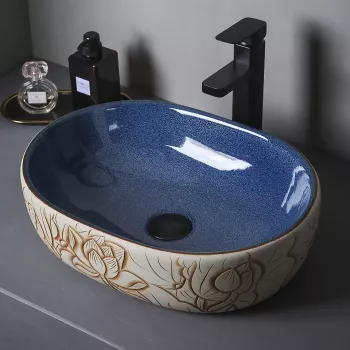
Ceramic Lotus Flower Pattern Countertop Vessel Sink for Bathroom or Balcony
A lotus-pattern vessel sink brings sculptural style to small and large spaces alike—adding a focal point on a vanity, console, or even a sheltered balcony wash station. With its bowl-on-top profile and glossy ceramic finish, this type of basin can instantly elevate an everyday routine without a full remodel. Below is a practical guide to what to expect from a countertop ceramic basin, how to plan the installation, and how to keep the finish looking new.
What Makes a Lotus-Pattern Vessel Sink Stand Out
A vessel sink sits above the countertop rather than dropping into it, so the silhouette reads more like decor than plumbing. That height and shape create a statement even if the vanity, counter, and mirror stay the same.
- Elevated profile: A bowl-on-top basin adds dimension and makes a vanity feel more custom.
- Lotus texture and depth: The flower pattern creates shadows and highlights that pair well with minimalist, spa-inspired, or Asian-influenced interiors.
- Glossy ceramic surface: Ceramic glaze is smooth, hygienic, and well-suited for frequent handwashing areas.
- Easy to “anchor” the design: Pair it with a simpler counter so the pattern remains the centerpiece.
Best Places to Use It: Bathroom Vanity or Sheltered Balcony
This style of basin works anywhere you want a high-end focal point and a compact footprint—just plan the plumbing and exposure conditions carefully.
- Primary bathroom: A lotus-pattern vessel sink can deliver a boutique-hotel look, especially with a wall-mounted faucet or a taller vessel faucet.
- Powder room: In a small guest bath, one standout element often makes the whole space feel designed. A patterned vessel bowl does that without needing extra square footage.
- Sheltered balcony wash station (covered): Great for rinsing hands after gardening or hosting outdoors. Keep the basin protected from freezing temperatures and direct weather.
- Coordination tips: Match faucet finish to nearby hardware (brushed nickel, matte black, brass) and keep the counter material visually calm (stone-look quartz, solid surface, sealed wood).
If your goal is water savings in a frequently used sink, consider choosing a WaterSense-labeled faucet for the setup; the EPA WaterSense bathroom faucet guidance is a helpful reference when comparing flow rates and features.
Key Fit Details to Check Before Buying
Most installation headaches come down to faucet geometry, drain compatibility, and clearance inside the vanity. Verify these details early to avoid last-minute returns or countertop rework.
- Faucet type: Decide on a vessel faucet mounted on the counter or a wall-mounted faucet. Ensure the spout reach lands water near the drain to reduce splashing.
- Drain opening compatibility: Many vessel sinks use a standard lavatory drain size, but it’s still important to confirm the drain and pop-up assembly match the basin opening.
- Overflow: Many vessel bowls do not include an overflow channel. If yours doesn’t, use a drain designed for non-overflow sinks and avoid leaving water running unattended.
- Counter space: Leave enough landing area for soap, a toothbrush cup, or a small tray so the counter stays functional.
- Cabinet clearance: Confirm the trap path and supply lines won’t collide with drawers, shelves, or a shallow vanity back.
Planning Checklist for a Countertop Vessel Sink
| Item to verify | Why it matters | Quick tip |
|---|---|---|
| Faucet height and spout reach | Controls splashing and improves comfort | Aim the water stream toward the drain opening |
| Drain type (with or without overflow) | Ensures proper sealing and safety | Choose a drain made for non-overflow basins if applicable |
| Counter thickness and hole placement | Affects faucet mounting and drain fit | Confirm faucet shank length and hole diameter |
| Vanity interior clearance | Prevents trap and supply line conflicts | Dry-fit the P-trap path before final tightening |
| Outdoor exposure (balcony use) | Ceramic can crack if frozen | Use only in covered areas and winterize in cold climates |
Installation Overview (Countertop Vessel Setup)
Vessel sinks are straightforward, but the best results come from careful dry-fitting and neat sealing. If you’re changing height or reach significantly, it may also be a good moment to review general bathroom clearances—especially for shared or accessible spaces. The ADA Standards for Accessible Design and broad planning resources from the National Kitchen & Bath Association (NKBA) can provide helpful context.
Care and Cleaning for Glossy Ceramic
Styling Ideas: Make the Pattern the Focal Point
Featured In-Stock Picks
- Ceramic Lotus Flower Pattern Countertop Vessel Sink for Bathroom or Balcony — a statement ceramic basin designed for countertop installation.
- Infrared Sauna for One Person — an at-home wellness upgrade that pairs nicely with a spa-inspired bathroom refresh.
- 60-Inch Wall-Mounted Electric Fireplace Heater with App Control & Remote — a modern comfort piece for a primary suite or adjacent lounge area.
FAQ
Do vessel sinks splash more than undermount sinks?
They can if the faucet is too high or the spout reach is too short. Choose a faucet with a reach that drops water closer to the drain and consider an aerated flow to soften the stream.
Can this sink be used on a balcony?
Yes, as long as the area is covered and protected from freezing temperatures and direct weather. In cold climates, winterize the supply and drain lines to help prevent damage.
What drain should be used with a vessel sink that has no overflow?
Use a drain assembly specifically designed for non-overflow basins so the gaskets seal correctly. Avoid overflow-specific drains when there is no overflow channel in the sink.













Leave a comment